====== Cultural Heritage ======
Cultural Heritage: Uncovering the Legacy and Traditions of Our Ancestors
Introduction:
Cultural heritage is an invaluable treasure, a tapestry woven with the threads of traditions, beliefs, languages, and practices that have shaped the identities of communities across the globe. It is a legacy passed down from generation to generation, connecting us to our roots and inspiring us to preserve our collective memories.
Defining Cultural Heritage:
UNESCO, the United Nations Educational, Scientific and Cultural Organization, defines cultural heritage as “the legacy of physical artifacts and intangible attributes of a group or society that are inherited from past generations, maintained in the present, and bestowed for the benefit of future generations.”
Components of Cultural Heritage:
Cultural heritage encompasses a wide range of tangible and intangible elements:
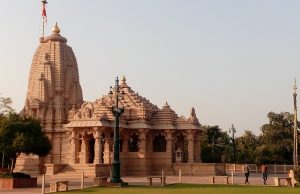
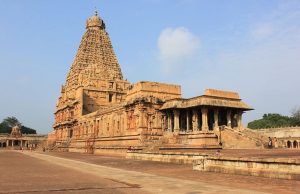
- Tangible Heritage: Physical objects and structures, such as monuments, historical sites, artifacts, and works of art.
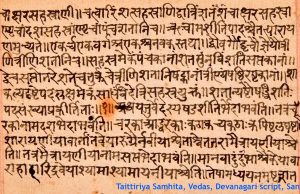
- Intangible Heritage: Non-physical expressions, such as languages, folklore, music, dance, traditional crafts, and knowledge systems.
Importance of Cultural Heritage:
Cultural heritage plays a vital role in various aspects of our lives:
- Identity and Continuity: It connects us to our past, shaping our sense of belonging and community.
- Education and Inspiration: It provides valuable insights into our history and the achievements of previous generations.
- Tourism and Economy: Cultural heritage can be a significant source of income through tourism and the sale of traditional crafts.
- Environmental Sustainability: Traditional practices often incorporate knowledge and techniques that support the environment.
- Cultural Diversity: It celebrates the unique contributions and perspectives of different cultures, fostering understanding and tolerance.
Examples of Cultural Heritage:
Cultural heritage manifests itself in diverse forms around the world:
- Taj Mahal, India: A magnificent mausoleum that showcases the architectural genius of the Mughal era.
- Great Barrier Reef, Australia: A natural wonder, home to a vast array of marine life and a vibrant ecosystem.
- Traditional Music of Peru: A distinctive blend of indigenous Andean melodies and Spanish influences.
- Japanese Tea Ceremony: A ritualistic form of tea preparation that embodies the principles of harmony, respect, and tranquility.
- Ancient Egyptian Pyramids: Monumental structures that showcase the advanced engineering skills of the ancient Egyptians.
Preserving Cultural Heritage:
Protecting and preserving cultural heritage is essential for future generations. This involves:
- Documentation and Inventory: Recording and cataloging cultural assets to prevent their loss or damage.
- Conservation and Restoration: Repairing and safeguarding tangible heritage to extend its lifespan.
- Education and Awareness: Promoting cultural appreciation and understanding to foster a sense of responsibility.
- International Cooperation: Collaborating with organizations and governments to combat cultural theft and protect heritage sites.
Conclusion:
Cultural heritage is the cornerstone of our collective identity and a vital force in shaping our present and future. By understanding and preserving our cultural heritage, we honor the legacy of our ancestors and ensure the continuity of our traditions for generations to come. Let us embrace the responsibility of safeguarding and celebrating the rich tapestry of cultural heritage that enriches our lives.
Secondary Keywords:
- Cultural Diversity
- Heritage Preservation
- Intangible Cultural Heritage
- Cultural Tourism
- Traditional Crafts