Hinduism’s Diverse Pilgrimages: A Journey Through Regional Practices and Philosophies
Hinduism, an ancient and multifaceted faith, encompasses a myriad of beliefs, traditions, and practices that vary across its vast geographical expanse. While the core tenets of Hinduism remain consistent, its regional manifestations exhibit unique characteristics, shaping the spiritual journey of millions of devotees.
North India: The Heart of Vedic Traditions
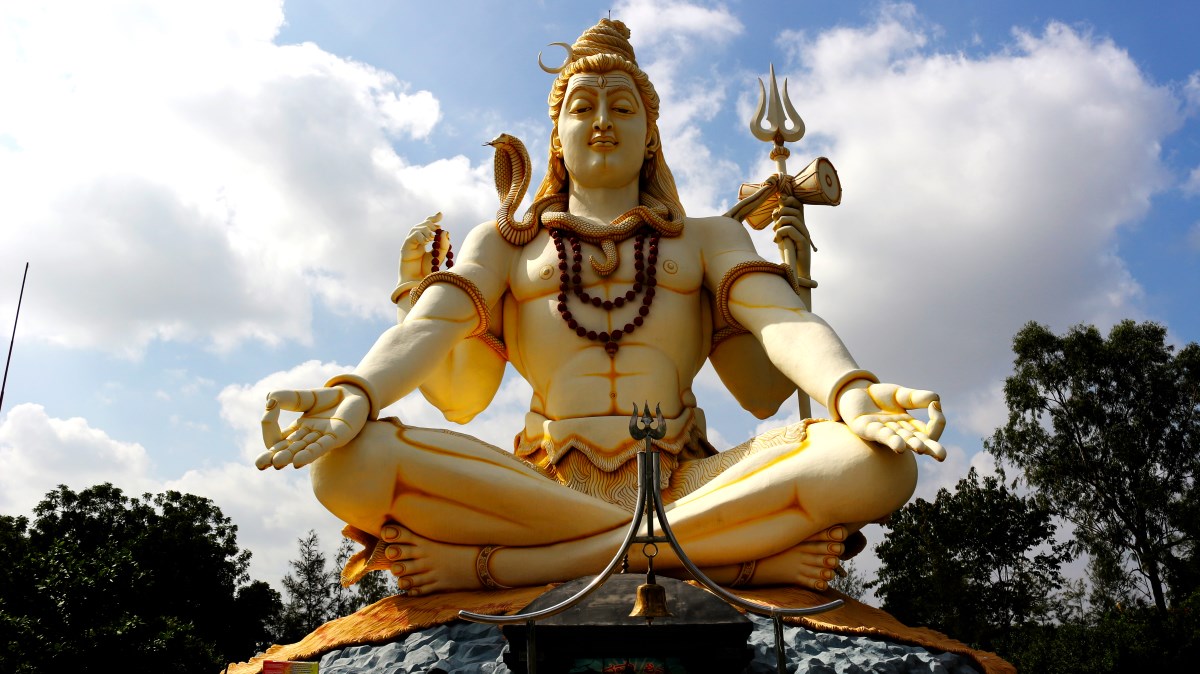
In the heart of North India, the sacred city of Varanasi, nestled on the banks of the Ganges, serves as a pilgrimage center of paramount importance. Devotees seek blessings at the Kashi Vishwanath temple, dedicated to Lord Shiva. The region is also home to the revered Kumbh Mela, a massive gathering of pilgrims during which holy waters are believed to possess purifying properties.
South India: The Dravidian Tapestry
South India boasts a vibrant tapestry of Hindu practices. In Tamil Nadu, the Meenakshi Amman Temple in Madurai is a stunning example of Dravidian architecture, dedicated to Goddess Meenakshi, an avatar of Goddess Parvati. The region is also known for its Carnatic music, which blends devotional and classical elements.
West India: The Cradle of Krishna
The western state of Gujarat is considered the birthplace of Lord Krishna, an incarnation of Lord Vishnu. The Dwarkadhish temple in Dwarka is a key pilgrimage site, commemorating Krishna’s mythical kingdom. The region is also renowned for its Jain temples, such as the Ranakpur Jain Temple, a masterpiece of architectural ingenuity.
East India: The Bhakti Movement
East India witnessed the rise of the Bhakti movement, emphasizing devotion and love for God. Shantiniketan, founded by Nobel laureate Rabindranath Tagore, represents the fusion of Hinduism with the teachings of the Upanishads and humanist values. The region is also home to the Jagannath Temple in Puri, Orissa, where an annual Rath Yatra attracts millions of pilgrims.
Philosophical Journeys: Multiple Paths to Enlightenment
Hinduism offers diverse paths to spiritual realization, each with its own philosophical underpinnings.
-
Advaita Vedanta: This philosophy, propounded by Adi Shankara, emphasizes the non-duality of the soul and the divine, seeking union through knowledge and self-realization.
-
Dvaita Vedanta: Advocated by Madhvacharya, it posits that the soul and God are eternally distinct. Liberation is achieved through devotion and grace.
-
Vishishtadvaita Vedanta: Proposed by Ramanuja, it asserts that God is both transcendent and immanent, present within every soul. Liberation is attained through love and surrender.
-
Shaktism: This path focuses on the worship of the feminine divine, particularly Goddess Shakti. Devotees seek liberation through devotion and the awakening of Kundalini energy.
-
Vaishnavism: Centering around Lord Vishnu, Vaishnavism emphasizes love and devotion. The path includes chanting mantras, performing rituals, and aspiring to the qualities of Vishnu.
Conclusion
Hinduism’s many paths reflect the depth and diversity of its spiritual tradition. From the sacred landscapes of pilgrimage to the profound teachings of philosophy, the faith offers a wide spectrum of practices and beliefs that guide the spiritual journey of millions. The regional variations and philosophical nuances contribute to the richness and vibrancy that makes Hinduism one of the most enduring and multifaceted religions in the world.## Hinduism’s Many Paths: A Journey Through Regional Practices & Philosophies
Executive Summary
Hinduism, one of the world’s oldest and most diverse religions, encompasses a rich tapestry of regional practices and philosophies. From the sacred rituals of the Himalayas to the vibrant festivals of South India, Hinduism’s many paths offer a profound exploration of spirituality, devotion, and connection to the divine. Embarking on a journey through these diverse traditions unveils the depth and richness of Hinduism’s enduring legacy.
Introduction
Hinduism, a vibrant tapestry woven from the threads of ancient traditions and evolving beliefs, has left an indelible mark on the cultural and spiritual landscape of India. Its multifaceted nature invites a journey through its regional expressions, each echoing a unique symphony of rituals, customs, and philosophies. From the serene landscapes of the Himalayas to the vibrant shores of the Indian Ocean, Hinduism’s many paths offer a transformative exploration of faith and spirituality.
Frequently Asked Questions
- What are the main regional practices of Hinduism?
- The regional practices of Hinduism vary widely, influenced by local cultures, languages, and traditions.
- Some prominent practices include the worship of specific deities, observance of festivals and rituals, and the adoption of philosophical teachings.
- How do the philosophies of Hinduism differ by region?
- Hinduism’s philosophies are as diverse as its practices, with regional interpretations shaping specific beliefs and practices.
- Some common philosophical themes include the concepts of karma, reincarnation, and the nature of the divine.
- How has Hinduism adapted to modern society?
- Hinduism has shown remarkable resilience in adapting to the changing landscape of modern society.
- It has incorporated contemporary influences while preserving its core values and traditions.
- Modern Hinduism reflects the ongoing dialogue between ancient wisdom and the evolving needs of its adherents.
Subtopics
North Indian Hinduism
- Emphasis on devotional worship, particularly of Vishnu and Shiva.
- Key practices: daily puja (worship), pilgrimage to sacred sites, observance of festivals.
- Influenced by Vaishnavism (devotion to Vishnu) and Shaivism (devotion to Shiva).
- Prominent deities: Vishnu, Shiva, Rama, Hanuman.
- Holy texts: Bhagavad Gita, Vishnu Purana, Ramayana.
South Indian Hinduism
- Distinctive features: Agama tradition (complex rituals and temple worship).
- Key practices: temple rituals, daily puja, recitation of sacred texts, devotional singing.
- Influenced by Shaivism and Vaishnavism, with a strong emphasis on Devi (the Goddess).
- Prominent deities: Vishnu, Shiva, Lakshmi, Parvati.
- Holy texts: Vedas, Agamas, Puranas.
East Indian Hinduism
- Characterized by Shaktism (devotion to the Goddess), Vaishnavism, and Tantrism.
- Key practices: worship of Durga, Kali, and Jagannath, observance of festivals like Durga Puja and Rath Yatra.
- Influenced by Tantra (esoteric practices and rituals).
- Prominent deities: Durga, Kali, Jagannath, Krishna.
- Holy texts: Devi Mahatmyam, Kalika Purana, Tantras.
Western Indian Hinduism
- Unique elements: Vaishnavism (devotion to Vishnu) and Swaminarayan Sampradaya (a monotheistic sect).
- Key practices: pilgrimage to Dwarka and other Vaishnava holy sites, worship of Swaminarayan and his incarnations.
- Influenced by Bhakti movement (devotionalism).
- Prominent deities: Vishnu, Krishna, Swaminarayan.
- Holy texts: Bhagavad Gita, Vishnu Purana, Shikshapatri.
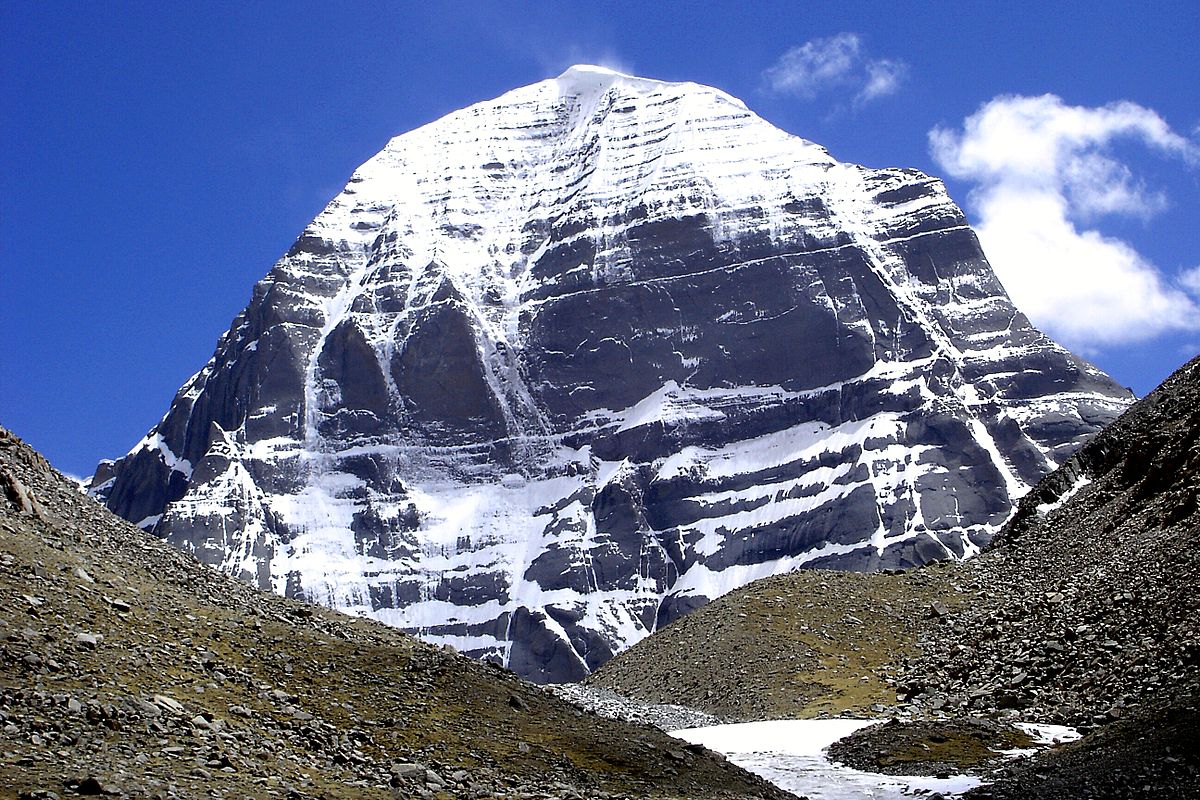
Himalayan Hinduism
- geprägt von Tantrism, Shaivism, and Tibetan Buddhism.
- Key practices: meditation, yoga, worship of Shiva and other Tantric deities, pilgrimage to sacred mountains.
- Influenced by the unique geographical and cultural landscape of the Himalayas.
- Prominent deities: Shiva, Devi, Vajrayogini.
- Holy texts: Vedas, Tantras, Tibetan Buddhist scriptures.
Conclusion
Hinduism’s regional practices and philosophies paint a vibrant and multifaceted portrait of this ancient religion. Each path offers its own unique lens through which to explore the divine, whether through the emotional devotion of North India, the elaborate rituals of South India, the esoteric practices of East India, the monotheistic beliefs of Western India, or the mystical traditions of the Himalayas. As we traverse these diverse expressions, we gain a deeper appreciation for the enduring power of Hinduism, its ability to adapt and evolve while preserving its core values and offering a profound path to spiritual fulfillment.
Keyword Tags
- Hinduism
- Regional Practices
- Hindu Philosophy
- Indian Religions
- Religious Diversity