Gods & Gurus, Rituals & Regions: Unveiling The Rich Tapestry Of Hinduism In India
Introduction
Hinduism, one of the world’s oldest and most diverse religions, embraces a vast pantheon of gods and goddesses, an array of rituals, and a multitude of regional traditions. This article explores the multifaceted nature of Hinduism in India, providing a glimpse into its rich tapestry of beliefs, practices, and cultural expressions.
Gods and Goddesses
The Hindu pantheon is home to an extensive ensemble of deities, each representing a particular aspect of the divine. Among the most prominent gods are Brahma, the creator; Vishnu, the preserver; and Shiva, the destroyer. Goddesses play an equally significant role, with Devi, the female form of the divine, embodying strength and power. Other popular deities include Lakshmi (wealth), Ganesha (remover of obstacles), and Saraswati (wisdom).
Gurus and Saints
Hinduism emphasizes the importance of spiritual guidance and mentorship. Gurus, revered as enlightened teachers, guide individuals along their spiritual path, offering wisdom and support. Throughout history, numerous saints and mystics have emerged within the Hindu tradition, their teachings and lives inspiring generations of devotees.
Rituals and Worship
Rituals form an integral part of Hindu practice, serving as ways to connect with the divine and express devotion. Puja, the daily worship of deities, involves offerings of flowers, incense, and prayers. Other important rituals include pilgrimages to sacred sites, festivals celebrating mythological events, and rites of passage marking life’s major transitions.
Regional Traditions
Hinduism has evolved over centuries, resulting in a diverse array of regional traditions. Each region has its own unique set of beliefs, practices, and festivals. For example, in South India, the Dravidian tradition emphasizes devotion to Shiva and Vishnu, while in the north, the Vaishnava tradition focuses on the worship of Krishna.
Cultural Expression
Hinduism has profoundly influenced Indian culture, permeating its art, music, literature, and performing arts. Temples and shrines showcase exquisite architecture, sculptures, and paintings depicting Hindu mythology. Classical dance forms like Bharatanatyam and Kathak narrate mythological stories and express religious sentiments.
Conclusion
The multifaceted nature of Hinduism in India is a testament to its enduring vitality and adaptability. From the vast pantheon of gods and goddesses to the profound teachings of gurus and saints, from the sacred rituals to the vibrant regional traditions, Hinduism continues to inspire and guide millions of devotees throughout the world. By exploring the rich tapestry of Hinduism in India, we gain a deeper understanding of one of humanity’s most ancient and enduring religious traditions.## Gods & Gurus, Rituals & Regions: Unveiling The Rich Tapestry Of Hinduism In India
Executive Summary
This comprehensive article delves into the multifaceted world of Hinduism in India, exploring its diverse pantheon of gods and goddesses, the profound influence of gurus, the sacred practices and rituals that shape daily life, and the regional variations that add to its vibrant tapestry. By shedding light on the beliefs, traditions, and cultural significance of Hinduism, this article aims to provide a deeper understanding and appreciation of one of the world’s oldest and most complex religions.
Introduction
Hinduism, a vibrant and multifaceted faith, has woven itself into the fabric of Indian society for centuries. Its vast pantheon, intricate rituals, and profound spiritual teachings have shaped the lives of countless individuals, leaving an enduring legacy on the cultural landscape of the subcontinent. This article embarks on a journey to uncover the rich tapestry of Hinduism in India, unraveling its diverse manifestations and exploring the beliefs and practices that define this ancient religion.
FAQs
- What is the primary text of Hinduism? The Vedas, a collection of ancient hymns and scriptures, serve as the foundational texts of Hinduism.
- Who are the three main deities of Hinduism? Brahma, Vishnu, and Shiva form the holy trinity of Hinduism, representing creation, preservation, and destruction.
- What is the goal of Hindu worship? Hindus seek to achieve liberation from the cycle of birth and rebirth (samsara) and attain moksha, a state of spiritual enlightenment.
Gods and Goddesses
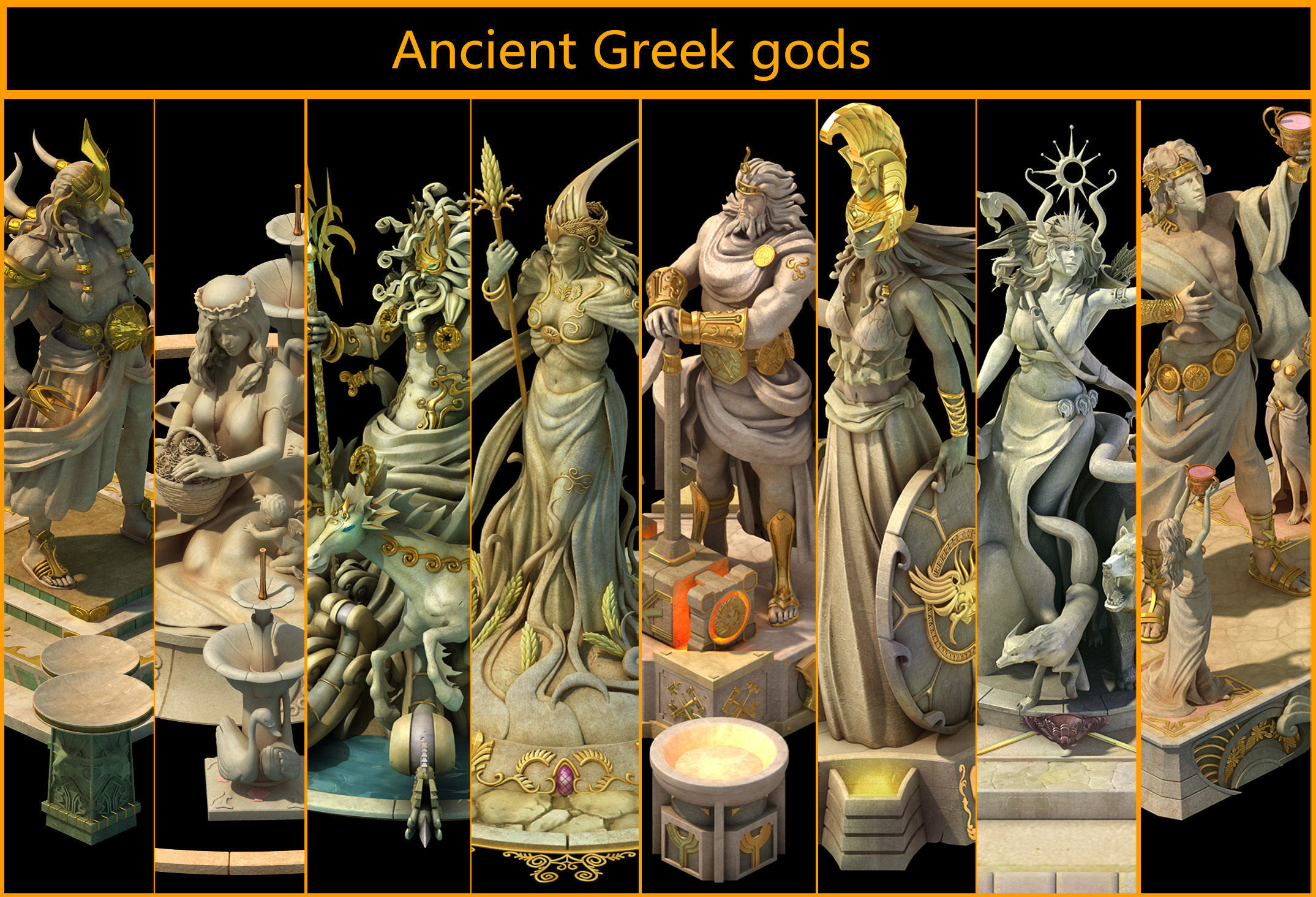
Hinduism is renowned for its vast and diverse pantheon of gods and goddesses, each embodying specific aspects of the divine.
- Brahma: The creator and father of the universe, Brahma is often depicted with four heads and four arms, symbolizing his omnipotence.
- Vishnu: The preserver and protector, Vishnu is revered as the sustainer of the universe. He is often depicted with blue skin and holding a conch shell, a discus, a lotus flower, and a mace.
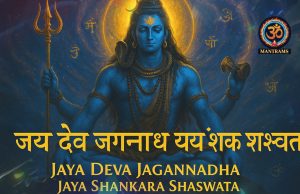
- Shiva: The destroyer and transformer, Shiva is associated with both creation and destruction. He is often depicted with a third eye on his forehead and a crescent moon in his hair.
- Ganesha: The elephant-headed god, Ganesha, is the remover of obstacles and the patron of learning and wisdom.
- Durga: The warrior goddess, Durga, is the fierce protector against evil and adversity. She is often depicted riding a lion and wielding multiple weapons.
Gurus and Lineages
Gurus, revered teachers and spiritual guides, play a central role in Hinduism. They provide guidance, teachings, and initiation into specific spiritual practices.
- Guru-Shishya Tradition: The relationship between a guru and a disciple (shishya) is considered sacred and lifelong. The guru imparts knowledge, wisdom, and spiritual techniques to the disciple.
- Lineages and Sampradayas: Hinduism is characterized by a multitude of lineages or sampradayas, each with its unique set of beliefs, practices, and guru lineages.
- Monasticism: Many gurus renounce worldly life and establish monasteries or ashrams where they lead a life of devotion and spiritual practice.
- Asceticism and Renunciation: Some gurus embrace extreme forms of asceticism, renouncing material possessions and practicing severe austerities to achieve spiritual enlightenment.
- Devotional Paths: Gurus often teach devotional practices (bhakti) that focus on the cultivation of love and devotion towards a particular deity.
Rituals and Practices
Rituals and practices are an integral part of Hindu life, serving as a means of connecting with the divine and expressing devotion.
- Puja: Puja is a daily ritual of worship, where offerings are made to deities in the form of flowers, food, and prayers.
- Yoga and Meditation: Yoga and meditation are widely practiced in Hinduism to achieve physical, mental, and spiritual well-being.
- Fasting and Pilgrimage: Fasts are observed to purify the body and mind, while pilgrimages to sacred sites are undertaken for spiritual purification.
- Yagnas and Homas: Yagnas and homas are fire rituals performed to invoke divine blessings, pacify negative forces, and express gratitude.
- Festivals: Hinduism is marked by a plethora of festivals throughout the year, each celebrating specific deities, events, or mythological stories.
Regional Variations
Hinduism exhibits significant regional variations, reflecting the diverse cultural heritage of India.
- North India: The northern regions are characterized by a strong influence of Vaishnavism, the worship of Vishnu. Pilgrimage sites such as Vrindavan and Varanasi hold great importance.
- South India: In southern India, Shaivism, the worship of Shiva, is prevalent. The Dravidian-style temples of Tamil Nadu and Karnataka are renowned for their architectural splendor.
- Eastern India: The eastern states have a strong Tantric tradition, which involves esoteric practices and rituals aimed at achieving spiritual transformation.
- Western India: The western regions are influenced by the Bhakti movement, which emphasizes devotion and love for God. The state of Gujarat is known for its vibrant religious traditions.
- Central India: The central regions are a melting pot of different Hindu traditions, with influences from both the north and the south. The pilgrimage site of Ujjain is particularly significant.
Conclusion
The world of Hinduism in India is a vast and multifaceted tapestry, woven together by the threads of belief, practice, and regional diversity. From the lofty heights of the Himalayas to the sacred waters of the Ganges, Hinduism has permeated every aspect of Indian life, shaping its culture, history, and spirituality. By exploring the gods and gurus, rituals and regions that define this ancient faith, we gain a deeper understanding of one of the world’s most enduring and influential religions.
Keyword Tags
- Hinduism in India
- Hindu Gods and Goddesses
- Gurus and Lineages
- Rituals and Practices
- Regional Variations in Hinduism