The Significance of Navratri: Celebrating the Divine Feminine
Navratri, a revered Hindu festival, is a nine-night celebration dedicated to the worship of the Divine Feminine. The word “Navratri” literally translates to “nine nights,” during which devotees observe rituals and engage in spiritual practices to honor various forms of the Goddess.
Historical Origins
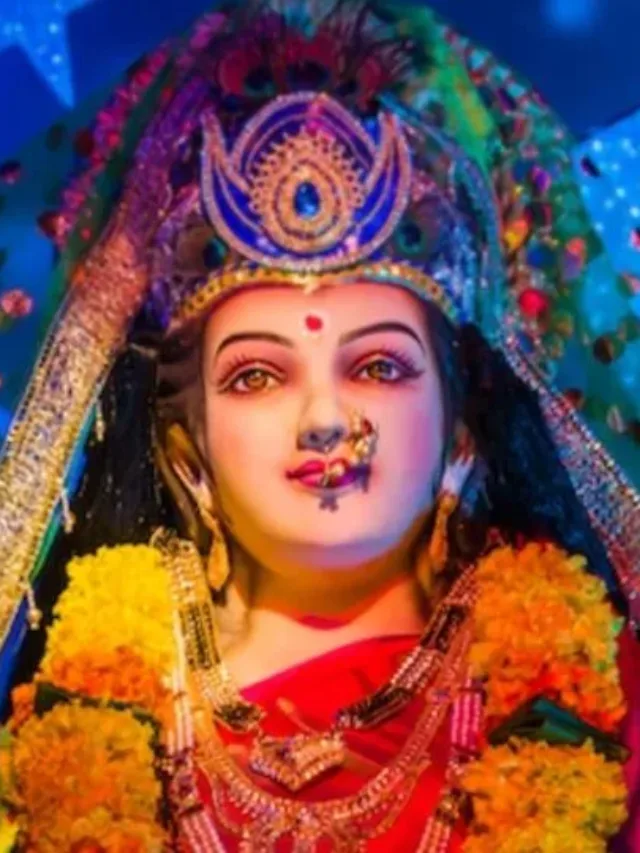
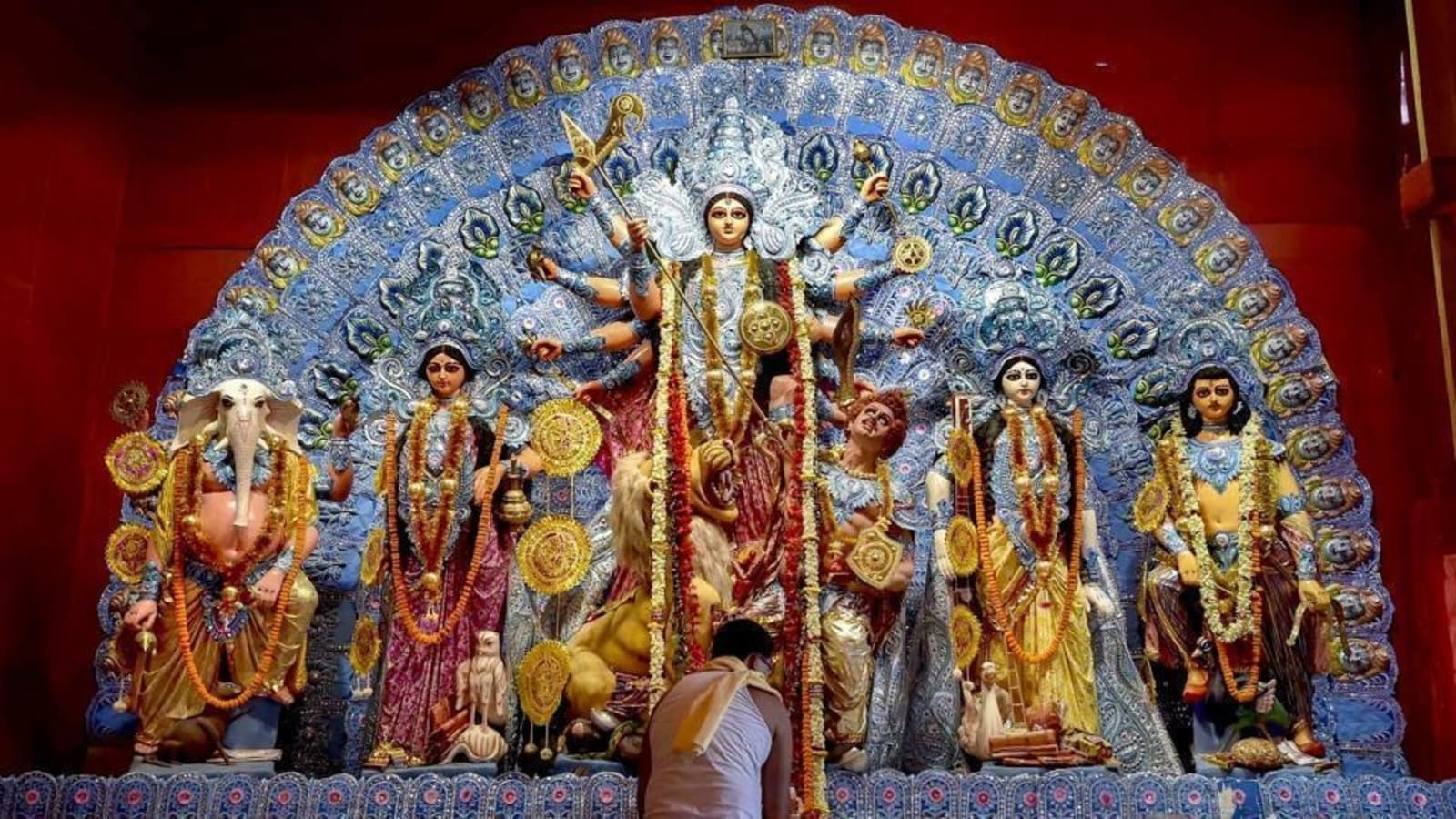
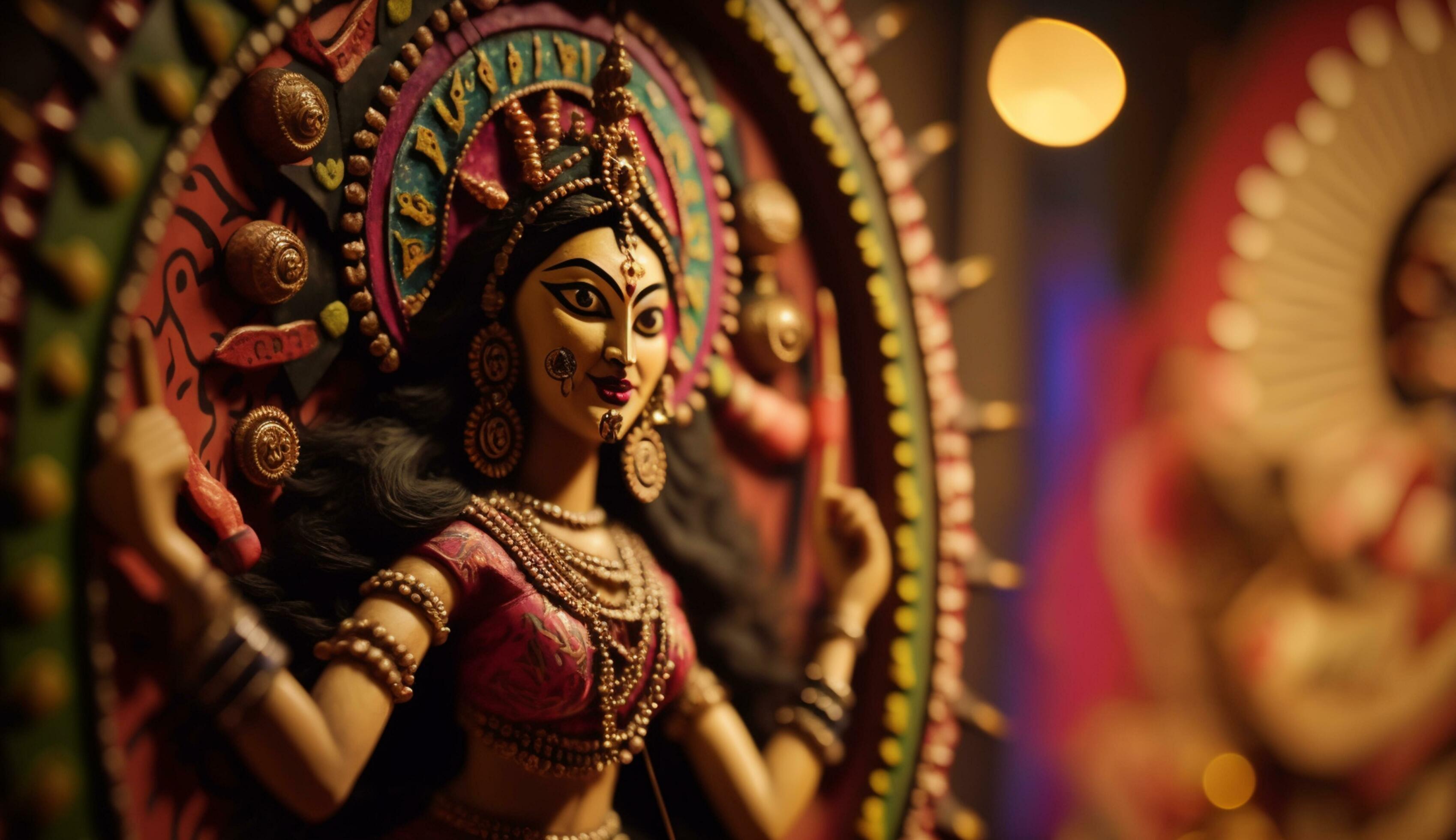
Navratri’s origins can be traced back to ancient Hindu mythology. According to legend, the festival commemorates the victory of Goddess Durga over the demon Mahishasura. The story symbolizes the triumph of good over evil and the protection of the righteous from adversity.
Symbolism of the Goddess
During Navratri, the Divine Feminine is worshipped in three primary forms: Durga, Lakshmi, and Saraswati. Each form represents a different aspect of the Goddess:
- Durga: The fierce warrior goddess who protects against evil and bestows strength and courage.
- Lakshmi: The goddess of wealth, prosperity, and abundance.
- Saraswati: The goddess of knowledge, wisdom, and the arts.
Rituals and Celebrations
Navratri celebrations involve a variety of rituals and customs:
- Fasting: Many devotees observe a fast during Navratri, abstaining from meat, alcohol, and certain types of food.
- Puja: Daily worship ceremonies are held to invoke the Goddess and offer prayers.
- Garba and Dandiya Raas: Traditional Gujarati folk dances performed to honor the Goddess.
- Kanya Puja: On the eighth day, young girls are honored as manifestations of the Goddess and offered gifts of food and blessings.
- Ashtami and Dashami: The final two days mark the culmination of Navratri, with special pujas and celebrations.
Spiritual Significance
Beyond the external rituals, Navratri holds deep spiritual significance:
- Inner Transformation: It is believed that by worshipping the Divine Feminine during Navratri, devotees can purify their minds and bodies, overcome negative emotions, and cultivate positive qualities.
- Connection to the Cosmic: Navratri symbolizes the interconnectedness of all life and the presence of the Divine within each individual.
- Devotion and Surrender: The festival fosters a sense of devotion and surrender to the Divine, allowing devotees to let go of ego and connect with a higher power.
Cultural Impact
Navratri is not only a religious festival but also a vibrant cultural celebration. It brings together communities, fosters a sense of unity, and showcases traditional arts and customs. The festival’s vibrant colors, music, and dance create a joyous and celebratory atmosphere.
In conclusion, Navratri is a multifaceted festival that celebrates the Divine Feminine, fosters spiritual growth, and strengthens cultural bonds. By honoring the Goddess in her various forms, devotees seek protection, prosperity, and enlightenment, while also connecting with the cosmic forces that shape the universe.## The Significance Of Navratri: Celebrating The Divine Feminine
Executive Summary
Navratri is a sacred Hindu festival that celebrates the divine feminine. It is a time of devotion, reflection, and celebration. During Navratri, devotees worship the nine forms of Durga, the goddess of strength and power. Navratri is also a time of fasting, feasting, and merriment. It is a time to come together with family and friends to celebrate the divine feminine.
Introduction
Navratri is one of the most important festivals in the Hindu calendar. It is a time of great spiritual significance and is celebrated with great devotion by Hindus all over the world. Navratri is a Sanskrit word that means “nine nights.” The festival is celebrated over a period of nine days and nights, during which devotees worship the nine forms of Durga.
FAQs
- What is Navratri?
Navratri is a Hindu festival that celebrates the divine feminine. It is a time of devotion, reflection, and celebration. During Navratri, devotees worship the nine forms of Durga, the goddess of strength and power.
- When is Navratri celebrated?
Navratri is celebrated twice a year, once in the spring and once in the fall. The spring Navratri is called Chaitra Navratri and the fall Navratri is called Sharad Navratri.
- How is Navratri celebrated?
Navratri is celebrated in a variety of ways. Some people fast, while others feast. Some people meditate and pray, while others dance and sing. There are also a number of traditional rituals and customs that are associated with Navratri.
Top 5 Subtopics
- The Nine Forms of Durga
- The Significance of Navratri
- How to Celebrate Navratri
- The Benefits of Navratri
- Navratri Recipes
The Nine Forms of Durga
Durga is the goddess of strength and power. She is one of the most popular goddesses in the Hindu pantheon. Durga is often depicted as a warrior goddess, riding a tiger and wielding a variety of weapons.
The nine forms of Durga are:
- Shailaputri: The daughter of the mountain, she is the first form of Durga. She is associated with strength and power.
- Brahmacharini: The one who practices austerities, she is the second form of Durga. She is associated with knowledge and wisdom.
- Chandraghanta: The one who wears the moon on her forehead, she is the third form of Durga. She is associated with beauty and grace.
- Kushmanda: The one who created the universe, she is the fourth form of Durga. She is associated with abundance and prosperity.
- Skandamata: The mother of Skanda, she is the fifth form of Durga. She is associated with love and compassion.
- Katyayani: The one who was born from the sage Katyayana, she is the sixth form of Durga. She is associated with courage and determination.
- Kalratri: The one who is black as night, she is the seventh form of Durga. She is associated with destruction and violence.
- Mahagauri: The one who is extremely fair, she is the eighth form of Durga. She is associated with peace and tranquility.
- Siddhidatri: The one who grants wishes, she is the ninth form of Durga. She is associated with success and prosperity.
The Significance of Navratri
Navratri is a time of great spiritual significance. It is a time to reflect on the divine feminine and to celebrate her power and strength. Navratri is also a time to ask for blessings from the goddess Durga. It is believed that worshiping Durga during Navratri can bring good luck, prosperity, and happiness.
How to Celebrate Navratri
There are a variety of ways to celebrate Navratri. Some people fast, while others feast. Some people meditate and pray, while others dance and sing. There are also a number of traditional rituals and customs that are associated with Navratri.
Some of the most common ways to celebrate Navratri include:
- Fasting: Many people fast during Navratri. This means that they abstain from eating certain foods, such as meat, fish, eggs, and alcohol.
- Feasting: Others choose to feast during Navratri. This means that they eat special foods that are associated with the festival.
- Meditation and prayer: Many people meditate and pray during Navratri. This is a time to reflect on the divine feminine and to ask for her blessings.
- Dancing and singing: Many people dance and sing during Navratri. This is a time to celebrate the joy and beauty of the festival.
- Traditional rituals and customs: There are a number of traditional rituals and customs that are associated with Navratri. These include things like visiting temples, offering prayers, and performing pujas.
The Benefits of Navratri
There are a number of benefits to celebrating Navratri. These benefits include:
- Spiritual purification: Navratri is a time to purify the soul and to connect with the divine feminine.
- Increased awareness: Navratri is a time to reflect on the divine feminine and to increase our awareness of her power and strength.
- Protection from evil: Navratri is a time to ask for protection from evil and to pray for good luck and prosperity.
- Increased happiness: Navratri is a time to celebrate the joy and beauty of the divine feminine.
- Improved relationships: Navratri is a time to strengthen our relationships with others and to build community.
Navratri Recipes
There are a number of special foods that are associated with Navratri. These foods are often vegetarian and are made with simple ingredients. Some of the most popular Navratri recipes include:
- Khichdi: A porridge made with rice and lentils.
- Sabudana khichdi: A porridge made with tapioca pearls and potatoes.
- Vrat ke aloo: Potatoes cooked in a spiced gravy.
- Singhare ke atte ka halwa: A sweet pudding made with water chestnut flour.
- Makhana kheer: A rice pudding made with lotus seeds.
Conclusion
Navratri is a sacred Hindu festival that celebrates the divine feminine. It is a time of devotion, reflection, and celebration. Navratri is a time to worship the nine forms of Durga, the goddess of strength and power. Navratri is also a time to fast, feast, and merry. It is a time to come together with family and friends to celebrate the divine feminine.
Keyword Tags
- Navratri
- Durga
- Divine feminine
- Hindu festival
- Celebration