Karma and Reincarnation in the Hindu Perception of Death
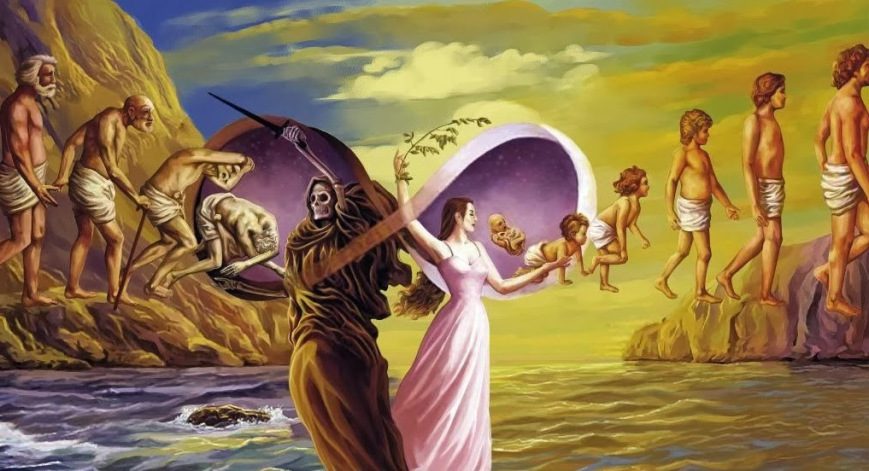
In the Hindu perspective, death is not an end but a transition to a new phase of existence. This belief is deeply rooted in the concepts of karma and reincarnation.
Karma
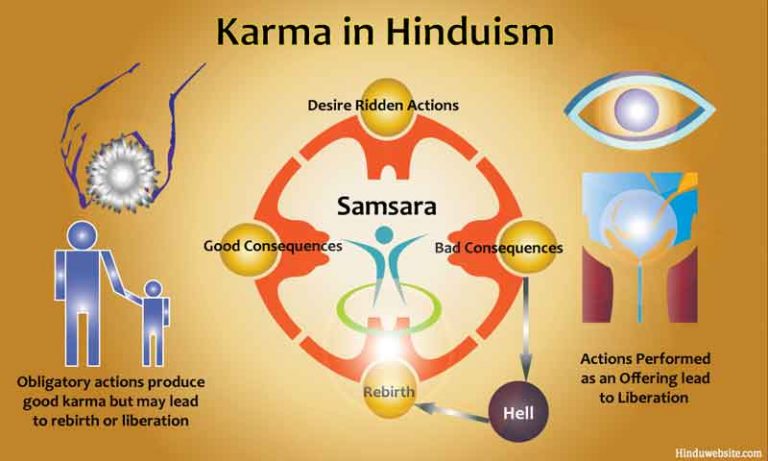
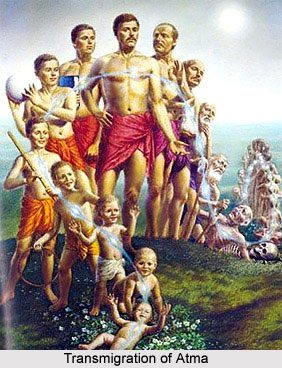
Karma is the law of action and reaction. It states that every action, thought, and word has consequences, both positive and negative. These consequences shape our present and future experiences, as well as our destiny.
According to Hinduism, karma is not limited to a single lifetime. It accumulates over multiple births, forming a cycle of cause and effect that determines our place in the world.
Reincarnation
Reincarnation is the belief that the soul transmigrates from one body to another after death. Hindus believe that the soul undergoes a cycle of births and deaths until it attains moksha (liberation from the cycle).
The type of body and circumstances we are born into in each life are determined by our past karma. For example, good actions can result in a favorable birth, while negative actions can lead to a difficult one.
The Cycle of Death and Rebirth
Upon death, the soul leaves the physical body and enters a transitional state known as Yama Loka. Here, the soul is judged by Yama, the god of death, based on its past karma.
The soul then proceeds to one of several realms, depending on its actions:
- Heaven (Svarga): Souls who have accumulated positive karma enjoy a temporary stay in heaven, where they experience happiness and pleasure.
- Hell (Naraka): Souls who have accumulated negative karma suffer in hell, where they undergo punishments to atone for their sins.
- Human Realm (Bhumi): Souls who have a mix of good and bad karma are reborn into the human world to continue their journey of learning and progress.
Moksha (Liberation)
The ultimate goal of Hinduism is to achieve moksha, which is liberation from the cycle of death and rebirth. This can be attained through spiritual practices such as meditation, yoga, and selfless service.
Conclusion
The Hindu perception of death is based on the belief in karma and reincarnation. According to this view, death is a natural transition that leads the soul to progress towards moksha, the ultimate goal of liberation.## Exploring Karma And Reincarnation In The Hindu Perception Of Death
Executive Summary
The Hindu religion views death as a transition rather than an end, believing in the concepts of karma and reincarnation. Karma is the law of cause and effect, governing actions and their consequences, while reincarnation is the belief that the soul is reborn into a new body after death. This article will delve into the intricacies of the Hindu perception of death, examining the role of karma and reincarnation in shaping beliefs and practices.
Introduction
Death is an inevitable aspect of life, universally experienced and interpreted in diverse ways. In the Hindu faith, death is not seen as an abrupt end but rather as a continuation of the soul’s journey. The principles of karma and reincarnation play a pivotal role in shaping the Hindu perspective on death and life beyond it.
FAQ
- What is karma?
Karma is a Sanskrit term meaning “action” or “deed.” In Hinduism, it refers to the consequences of one’s actions. Good actions (virtuous Karma) accumulate positive consequences, while bad actions (unvirtuous Karma) result in negative consequences. - What is reincarnation?
Reincarnation, known as “punarjanma” in Sanskrit, is the belief that the soul is reborn into a new body after death. The nature of the new body is determined by the quality of one’s past actions, as expressed in the law of karma. - How do karma and reincarnation impact the Hindu perception of death?
Karma and reincarnation provide a framework for understanding the experiences of life and death. They suggest that death is not a final end but a transition between lives, where one’s actions determine their future existence.
Subtopics
1. The Cycle of Samsara
-Samsara is the cycle of birth, death, and rebirth that governs all living beings.
-The goal of life is to break free from Samsara through enlightenment.
-One’s actions and intentions in life determine the nature of future rebirths.
2. The Law of Karma
-Karma is the universal law of cause and effect.
-Every action has a consequence, either good or bad.
-The accumulation of karma shapes one’s present and future experiences.
3. Reincarnation and Dharma
-Dharma refers to righteous duty and moral obligations.
-Reincarnation provides opportunities to fulfill one’s dharma and progress towards enlightenment.
-The specific nature of one’s reincarnation is influenced by their past karma.
4. Moksha and Liberation
-Moksha is the ultimate goal of Hinduism, representing liberation from the cycle of Samsara.
-It is achieved through spiritual realization and detachment from worldly desires.
-Reincarnation ceases upon attainment of moksha.
5. Rituals and Practices
-Hindus perform various rituals and ceremonies related to death.
-These include cremation, ancestor worship, and offerings to the deceased.
-Rituals help facilitate the transition of the soul into the afterlife.
Conclusion
The Hindu perception of death is intricately linked to the concepts of karma and reincarnation. These beliefs provide a framework for understanding the experiences of life and death, emphasizing the law of cause and effect and the potential for spiritual progress. Hindus believe that death is not an end but a transition towards a new existence, one shaped by the actions and intentions cultivated in this life. Through practices such as rituals and ceremonies, Hindus seek to honor the deceased and facilitate the journey of the soul towards enlightenment and liberation from the cycle of Samsara.
Relevant Keyword Tags
- Hindu Perception of Death
- Karma
- Reincarnation
- Samsara
- Moksha