Moksha: Achieving Liberation from the Cycle of Rebirth in Hinduism
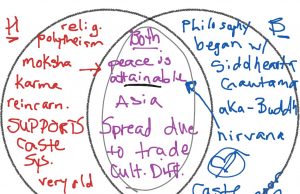
Hinduism is a rich and diverse religion with a multitude of beliefs and practices. One of the central concepts in Hinduism is Moksha, also known as liberation or freedom from the cycle of rebirth. The ultimate goal of a Hindu’s spiritual journey is to attain Moksha, breaking free from the cycle of birth, death, and rebirth (samsara).
Understanding Moksha
In Sanskrit, the word Moksha means “release” or “liberation.” It refers to a state of spiritual enlightenment where an individual transcends the limitations of the physical world and achieves union with the divine. Moksha is believed to be a permanent state of bliss and freedom from suffering.
The Four Paths to Moksha
Hinduism recognizes four primary paths to achieving Moksha:
- Karma Yoga: The path of selfless action, where individuals perform their duties without attachment to the fruits of their labor.
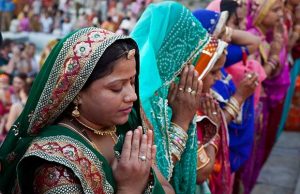
- Bhakti Yoga: The path of devotion to God, where individuals worship and express love for the divine through prayers, rituals, and meditation.
- Jnana Yoga: The path of knowledge and wisdom, where individuals seek enlightenment through studying scriptures, contemplation, and self-inquiry.
- Raja Yoga: The path of self-control and meditation, where individuals practice various techniques to calm the mind and body, leading to spiritual realization.
The Hindu Perspective on Death and Moksha
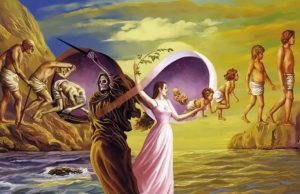
Hinduism views death as a natural part of the cycle of life and rebirth. The soul, or Atman, is believed to be eternal and transmigrates from one body to another after death. The actions (karma) performed during a lifetime determine the nature of the next life.
The Concept of Reincarnation
According to Hinduism, the soul undergoes a series of rebirths until it learns the lessons it needs to and purifies itself. The goal of reincarnation is to eventually break free from the cycle and attain Moksha.
Attaining Moksha
There is no single formula for achieving Moksha, as the path is unique for each individual. However, some common practices include:
- Dharma: Fulfilling one’s duties and obligations in accordance with one’s social role and responsibilities.
- Meditation: Regular practice of meditation to calm the mind and cultivate self-awareness.
- Devotion: Expressing love and gratitude for the divine through prayer, worship, and service.
- Self-inquiry: Reflecting on one’s thoughts, actions, and motives to gain a deeper understanding of oneself.
Ultimately, the journey towards Moksha is an ongoing process of spiritual growth and transformation. It requires dedication, perseverance, and a deep desire for liberation from the cycle of suffering.
Additional Information
Moksha is a complex and multifaceted concept in Hinduism. It represents the ultimate goal of spiritual evolution and is believed to be a state of eternal bliss and freedom. There are various perspectives on the nature of Moksha and the paths to achieve it, reflecting the diversity of Hindu beliefs and practices.
Secondary Keywords:
- Liberation
- Reincarnation
- Hinduism
- Spiritual Beliefs
- Afterlife