Religious Pluralism: Embracing the Diversity of Beliefs and Practices
Introduction
In a world where diversity often divides, religious pluralism stands as a beacon of unity and understanding. It recognizes and respects the existence of multiple religious traditions, fostering a harmonious coexistence among people of different faiths. This article delves into the concept of religious pluralism, its significance, and its manifestation in various cultures, including the rich tapestry of Hindu beliefs and practices across India.
Understanding Religious Pluralism
Religious pluralism acknowledges that there is no single “true” religion and that different faiths offer valid paths to spiritual fulfillment. It promotes tolerance, dialogue, and respect for diverse beliefs and practices. Pluralistic societies recognize the equal validity of different religions, allowing individuals to freely express their religious identities without fear of discrimination or persecution.
Benefits of Religious Pluralism
Embracing religious pluralism offers numerous benefits, including:
- Social harmony: Pluralism creates a climate of mutual respect, reducing religious tensions and fostering peaceful coexistence.
- Cultural enrichment: Different religions bring unique perspectives and practices, enriching the cultural tapestry of societies.
- Individual freedom: Pluralism allows individuals to explore and choose the religious path that best aligns with their beliefs and values.
- Interfaith understanding: Through dialogue and shared experiences, religious pluralism promotes understanding and appreciation of different faiths.
India: A Mosaic of Hindu Beliefs and Practices
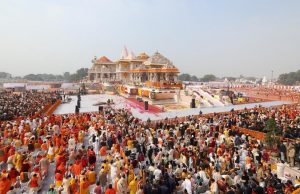
India is a prime example of a religiously pluralistic society, with a vibrant tapestry of Hindu beliefs and practices. Hinduism, one of the oldest religions in the world, is characterized by a diverse range of philosophies, deities, and practices.
- Multiple Deities: Hindus worship a vast pantheon of deities, including Brahma, Vishnu, and Shiva. Each deity represents a different aspect of the divine, catering to the diverse spiritual needs of devotees.
- Sacred Texts: Hindu beliefs are enshrined in a collection of sacred texts, including the Vedas, Upanishads, and Bhagavad Gita. These texts provide guidance on spiritual practices, ethics, and the nature of reality.
- Diverse Practices: Hindu practices vary widely, including daily rituals, pilgrimage, meditation, and the celebration of festivals. The specific practices adopted depend on the region, tradition, and personal beliefs of devotees.
Conclusion
Religious pluralism is a vital concept that fosters social harmony, cultural enrichment, and individual freedom. By embracing the diversity of beliefs and practices, we create a more inclusive and tolerant world where all individuals can live in peace and mutual respect. The vibrant tapestry of Hindu beliefs and practices in India serves as a testament to the power and beauty of religious pluralism.
As we navigate the complexities of a globalized world, religious pluralism becomes increasingly important. May we continue to cultivate understanding, respect, and dialogue among all faiths, fostering a harmonious coexistence where diversity is celebrated and cherished.
Secondary Keywords:
- Religious diversity
- Interfaith dialogue
- Tolerance
- Hindu traditions
- Cultural harmony