Religious festivals: An insight into the vibrant cultural tapestry of India
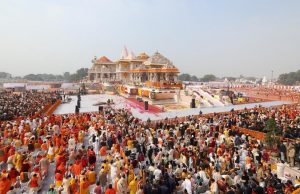
Religious festivals are an integral part of Indian culture, reflecting the country’s rich spiritual heritage and diverse religious beliefs. From the grand Kumbh Mela to the colorful Holi, these festivals offer a unique opportunity to experience the vibrant tapestry of Indian traditions.
The Significance of Religious Festivals in India
Religious festivals hold immense significance in India, serving as a time for spiritual reflection, community bonding, and cultural expression. They commemorate important events in the lives of deities, celebrate religious milestones, and provide an occasion for people to come together and share their faith.
Major Religious Festivals in India
India is home to a plethora of religious festivals, each associated with a specific religion or community. Some of the most prominent festivals include:
Holi (Hinduism): A festival of colors, Holi marks the triumph of good over evil and the arrival of spring. People gather to throw colored powder and water at each other, creating a riotous celebration of joy and unity.
Diwali (Hinduism): The festival of lights, Diwali symbolizes the victory of light over darkness. Homes and temples are decorated with lights, and people exchange gifts and sweets.
Eid-ul-Fitr (Islam): This festival marks the end of the holy month of Ramadan. Muslims gather for prayers and celebrations, sharing food and gifts with their loved ones.
Christmas (Christianity): Celebrated on December 25th, Christmas commemorates the birth of Jesus Christ. Churches are adorned with decorations, and people exchange gifts and attend special services.
The Diversity of Religious Festivals in India
India’s religious festivals showcase the country’s incredible cultural diversity. Each region has its own unique traditions and customs associated with religious celebrations.
South India: Known for its vibrant temple festivals, South India hosts events like the Pongal harvest festival and the Chithirai festival in Madurai.
North India: The northern region is home to the massive Kumbh Mela, a pilgrimage where millions of devotees gather to bathe in the holy Ganges River.
East India: Durga Puja, a ten-day festival honoring the goddess Durga, is an important celebration in West Bengal and other eastern states.
West India: Gujarat is renowned for its Navratri festival, a nine-day celebration of the goddess Amba.
Benefits of Attending Religious Festivals in India
Attending religious festivals in India offers a range of benefits, including:
Cultural Immersion: Festivals provide an immersive experience into Indian culture, allowing visitors to witness traditional rituals, music, dance, and cuisine.
Spiritual Enrichment: Religious festivals offer an opportunity for spiritual reflection and connection with the divine.
Community Building: Festivals foster a sense of community, bringing people together to share their faith and traditions.
Historical Significance: Many religious festivals commemorate important historical events, providing insights into India’s rich past.
Tourism Potential: Religious festivals attract millions of tourists each year, contributing to the country’s tourism industry.
Tips for Attending Religious Festivals in India
To make the most of your experience at religious festivals in India, follow these tips:
Respect Local Customs: Be mindful of local customs and traditions, and dress appropriately for the occasion.
Learn Basic Phrases: Knowing a few basic Hindi or regional phrases can enhance your interactions with locals.
Plan Your Accommodation: Book your accommodation in advance, as festivals can attract large crowds.
Stay Safe: Be aware of your surroundings and take necessary precautions to ensure your safety.
Have Fun: Most importantly, embrace the vibrant atmosphere and enjoy the unique experience of attending religious festivals in India.
Secondary Keywords
Religious festivals, Hindu festivals, Indian festivals, Cultural diversity, Spiritual heritage