Hindu Scriptures: A Comprehensive Guide
Introduction
Hindu Scriptures, also known as Shastras, are the sacred texts of Hinduism. They contain a wealth of knowledge on various aspects of life, including religion, philosophy, mythology, and dharma. These scriptures have played a significant role in shaping Indian culture and spirituality for centuries.
Importance of Hindu Scriptures
- Provide guidance: Hindu Scriptures offer guidance on every aspect of life, from religious rituals to social conduct.
- Preserve ancient wisdom: They preserve the teachings of ancient sages and philosophers, providing insights into the nature of the universe and human existence.
- Promote spirituality: Hindu Scriptures inspire spiritual growth and development, helping individuals connect with their inner selves and the divine.
- Cultural heritage: These scriptures are an integral part of Indian culture, showcasing the rich traditions and values that have been passed down through generations.
Key Scriptures
There are numerous Hindu Scriptures, each with its own unique significance. Some of the most notable ones include:
- Vedas: The oldest and most sacred texts of Hinduism, containing hymns, rituals, and philosophical teachings.
- Upanishads: Philosophical treatises that explore the nature of Brahman (the Absolute Reality) and the human soul.
- Bhagavad Gita: A dialogue between Lord Krishna and Arjuna on spirituality, duty, and devotion.
- Ramayana: An epic poem detailing the life of Lord Rama, an incarnation of Vishnu.
- Mahabharata: The longest epic in the world, containing stories of gods, heroes, and the battle between good and evil.
Who is Narayana?
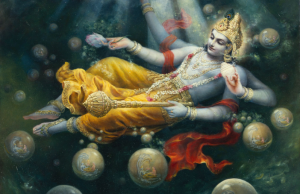
Narayana is one of the most important deities in Hinduism. He is considered the Supreme Being, the creator, preserver, and destroyer of the universe. Narayana is often depicted as a blue-skinned, four-armed god reclining on the serpent Shesha in the cosmic sea.
Why Hindus Worship Narayana
Hindus worship Narayana for various reasons, including:
- Creator of the universe: Narayana is believed to have created the universe and all living beings.
- Source of all goodness: Narayana is the embodiment of all that is good and auspicious.
- Destroyer of evil: He protects devotees from harm and destroys evil forces.
- Liberator from suffering: Narayana helps individuals overcome obstacles and attain liberation from the cycle of birth and rebirth.
Conclusion
Hindu Scriptures are an invaluable source of knowledge and guidance for Hindus. They provide insights into the nature of reality, the human condition, and the path to spiritual fulfillment. By studying these scriptures, Hindus can deepen their understanding of their faith and live a more meaningful and purposeful life.
Secondary Keywords
- Hindu Philosophy
- Mythology in Hinduism
- Sacred Texts
- Vedas
- Spirituality in Hinduism