The Importance of Puja: Ritual Worship in Hinduism
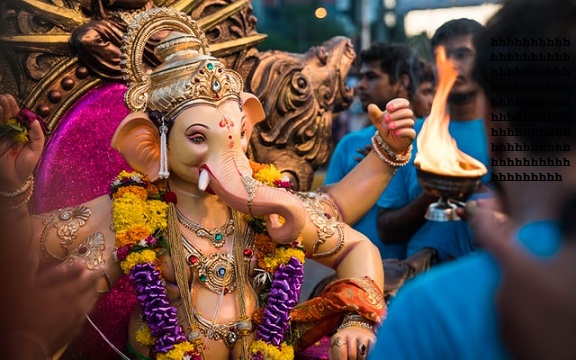
Puja, a sacred ritual in Hinduism, is a form of devotional worship that plays a significant role in the daily lives of millions of Hindus worldwide. It is an act of expressing reverence and gratitude to the divine, and a way to connect with the gods and goddesses.
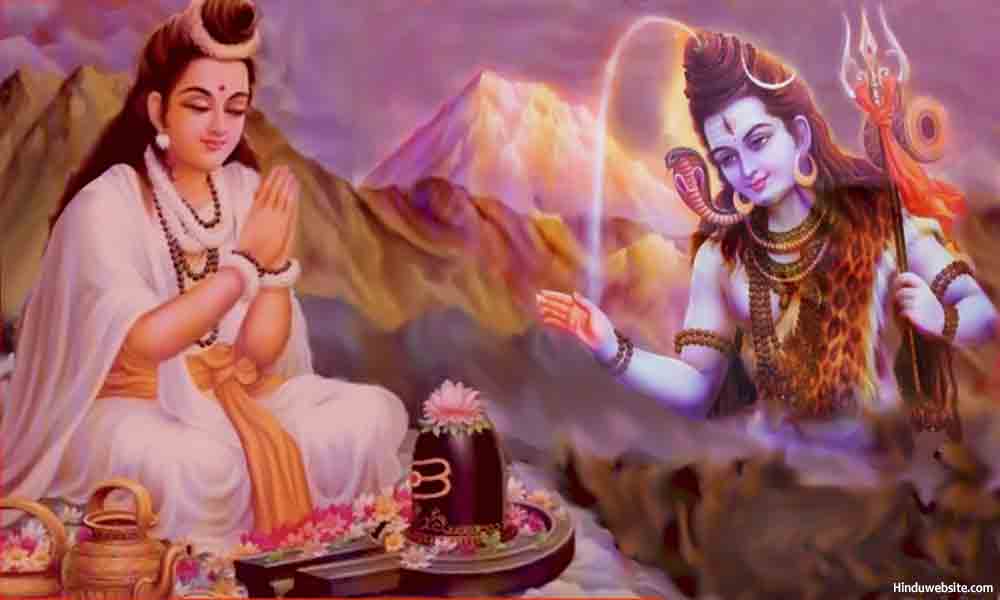
Meaning and Significance:
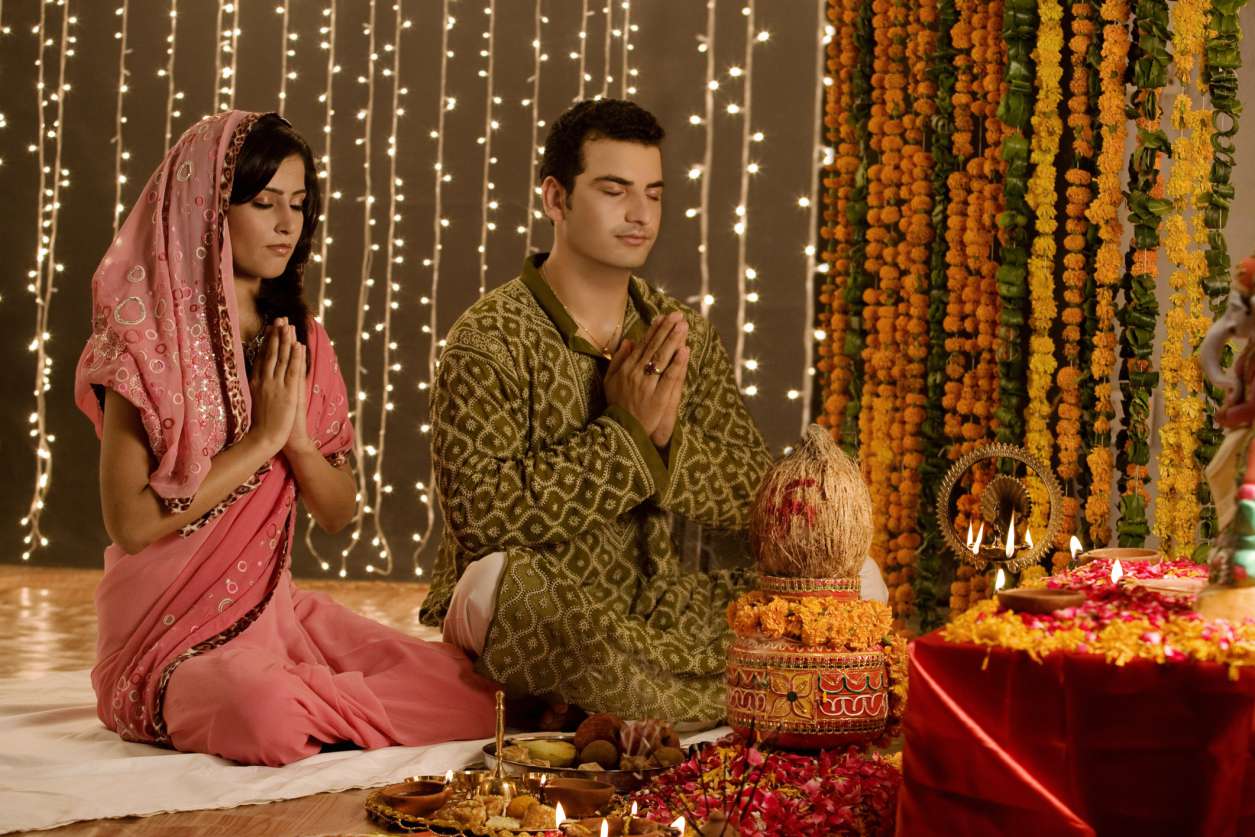
Puja means “to worship” or “to honor” in Sanskrit. It is a ritual offering made to a deity, a sacred object, or an aspect of the divine. The act of puja is believed to create a direct connection between the worshipper and the object of their devotion, facilitating the transmission of blessings and grace.
Elements of Puja:
Puja typically involves several elements:
- Offering: Offerings to the deity include flowers, fruits, sweets, and other items that are considered auspicious and pleasing to the divine.
- Invocation: A specific mantra or prayer is recited to invite the deity or energy to descend into the object of worship.
- Worship: The worshipper performs various rituals such as waving a lamp (arati), offering incense (dhoop), and pouring water (abhishek) over the deity.
- Meditation: The ritual concludes with a period of meditation and contemplation, during which the worshipper connects with the divine and seeks blessings.
Benefits of Puja:
Performing puja regularly is believed to bring numerous benefits, including:
- Spiritual Growth: Puja helps deepen the worshipper’s connection to the divine and enhances their spiritual awareness.
- Blessings and Grace: The offerings and prayers made during puja are believed to invoke the favor of the gods and goddesses, bringing blessings and grace into the worshipper’s life.
- Purification and Healing: Puja can purify the mind and body, remove negative energies, and promote physical and emotional well-being.
- Connection with Tradition: Puja is a means of preserving and transmitting Hindu traditions and values from one generation to the next.
Forms of Puja:
Puja can be performed in various forms, depending on the deity, purpose, and occasion:
- Daily Puja: This is a simple form of worship performed every day in the morning or evening.
- Special Puja: Occasions such as festivals, anniversaries, and life events call for special pujas with more elaborate rituals and offerings.
- Yagna or Homa: These are fire rituals where specific mantras and offerings are made into a sacred fire.
- Abhishek: This is a ritual of pouring water or milk over a deity or a sacred object.
Conclusion:
Puja is an integral part of Hindu religious practice. It is an act of devotion, connection, and purification. By performing puja, Hindus seek the blessings, grace, and protection of the divine, while also deepening their spiritual understanding and preserving their cultural heritage.## [The Importance Of Puja: Ritual Worship In Hinduism]
Executive Summary
Puja is an essential aspect of Hinduism, representing the ritual worship of deities through offerings, prayers, and mantras. It fosters a connection between the devotee and the divine, promoting spiritual growth and well-being. This article explores the significance of puja, its various forms, and its profound impact on Hindu life and traditions.
Introduction
Puja, the sacred ritual of worship in Hinduism, holds immense significance in the lives of millions of devotees worldwide. It is a deeply personal and transformative practice that allows individuals to connect with the divine, express their devotion, and seek blessings for various aspects of life. This article provides an in-depth overview of puja, its diverse forms, and its essential role in Hindu spirituality.
FAQs
Q: What is the purpose of puja?
A: Puja is a ritual of worship aimed at honoring and connecting with deities, expressing gratitude, seeking blessings, and fostering spiritual growth.
Q: How often is puja performed?
A: The frequency of puja varies depending on personal devotion and tradition. It can be performed daily, weekly, or during special occasions and festivals.
Q: Who can perform puja?
A: Puja can be performed by anyone, regardless of age, gender, or caste. However, priests or trained individuals may be consulted for more elaborate rituals.
Subtopics
Types of Puja
- Nitya Puja (Daily Worship): Performed each day, usually in the morning or evening, as an expression of daily devotion.
- Naimittika Puja (Occasional Worship): Conducted on specific occasions, such as festivals, life events, or during times of need.
- Kamya Puja (Fulfillment of Wishes): Performed with the specific intention of seeking blessings or fulfilling a particular desire.
- Prayaschitta Puja (Atonement): Performed to apologize for sins or wrongdoings seeking purification and forgiveness.
Components of Puja
- Deity Invocation: The deity is invoked into the idol or image through mantras and rituals.
- Offerings: Various items, such as fruits, flowers, sweets, and incense, are offered to the deity.
- Puja Arti: A ritual involving the waving of a lighted lamp before the deity.
- Mantras and Prayers: Sacred verses and prayers are recited to express devotion and seek blessings.
- Prostration and Circumambulation: Devotees bow down in reverence and walk around the deity as a sign of respect.
Significance of Puja
- Spiritual Connection: Puja deepens the connection between devotees and the divine, fostering a sense of closeness and devotion.
- Personal Transformation: The ritualistic aspects of puja help devotees cultivate qualities such as discipline, focus, and self-reflection.
- Community Bonding: Puja often involves communal gatherings, fostering a sense of unity and belonging among devotees.
- Cultural Preservation: Puja plays a vital role in the preservation of Hindu traditions and customs, passing down centuries-old practices.
- Divine Blessings: Devotees believe that performing puja with sincere devotion can bring blessings, protection, and fulfillment.
Benefits of Puja
- Reduces Stress and Anxiety: The meditative and repetitive nature of puja helps calm the mind and reduce stress levels.
- Promotes Inner Peace: By focusing on the divine, devotees find solace, tranquility, and a sense of inner peace.
- Enhances Focus and Concentration: The ritualistic aspects of puja require concentration and focus, improving overall cognitive abilities.
- Cultivates Self-Discipline: The regular practice of puja instils self-discipline and a sense of responsibility in devotees.
- Inspires Positive Thoughts: The prayers and mantras recited during puja promote positive thoughts and cultivate a positive mindset.
Conclusion
The sacred ritual of puja holds immense significance in Hinduism, serving as a bridge between the mortal and the divine. It is a multifaceted practice that fosters spiritual growth, personal transformation, and a connection to the divine. Through the offering of prayers, offerings, and mantras, devotees express their devotion, seek blessings, and immerse themselves in the timeless traditions of Hinduism. Puja continues to play a vital role in shaping the lives of millions of Hindus worldwide, enriching their spiritual journeys and contributing to the preservation of a rich cultural heritage.
Keyword Tags
- Hindu Worship
- Puja Ritual
- Divine Connection
- Spiritual Growth
- Puja Offerings