Hanuman: The Embodiment of Strength, Courage, and Devotion
Within the vast tapestry of Hindu mythology, Hanuman stands as a revered deity, embodying the virtues of strength, courage, and unwavering devotion. His iconography, with its myriad forms, reflects the diverse aspects of his character and the profound bond he shares with Lord Rama.
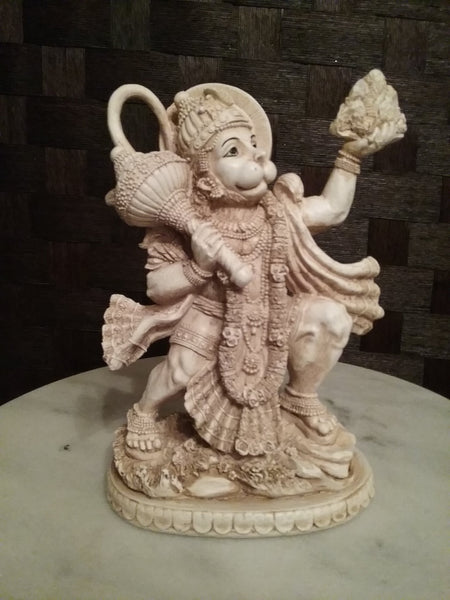
The Revered Monkey God
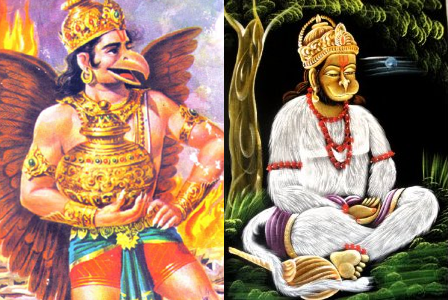
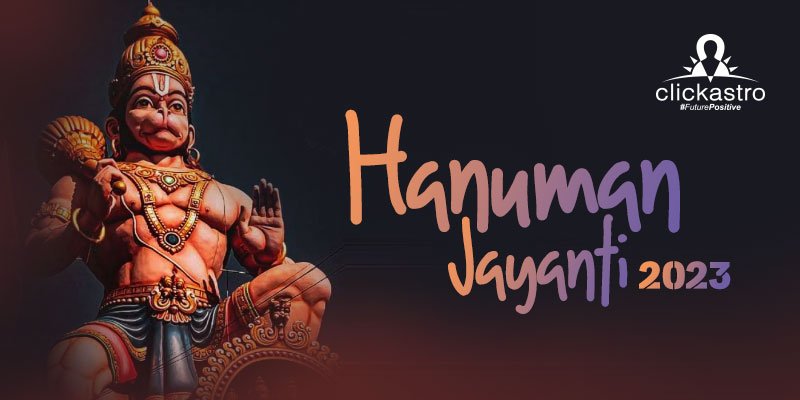
Hanuman is primarily depicted as a monkey god, symbolizing his exceptional agility and cunning. His iconic form is characterized by:
- A simian face with a prominent jaw and piercing gaze
- A muscular physique adorned with red hair and a long tail
- A sacred thread (yajnopavita) across his chest, denoting his priestly lineage
The Loyal Devotee
Hanuman’s unwavering devotion to Lord Rama is the cornerstone of his identity. He is often portrayed:
- Carrying Lord Rama’s insignia or the sacred flag known as the “Rama Dhwaja”
- Bowing in reverence before Rama, symbolizing his unwavering loyalty
- Gazing adoringly at Rama’s image, reflecting his deep devotion
The Messenger of Hope
Hanuman’s agility and intelligence made him an ideal messenger. He is depicted:
- Leaping through the air with great speed and carrying messages between Rama and his allies
- Negotiating with adversaries and seeking peaceful resolutions
- Bringing news of Rama’s well-being to his anxious followers
The Guardian of the Threshold
Hanuman is often invoked as a protector and guardian. He is depicted:
- Standing at the threshold of temples and homes, symbolizing his ability to ward off evil
- Holding a mace (gada) or a club, representing his formidable strength
- Inscribed on amulets and charms, offering protection and averting danger
The Healer and Physician
Hanuman possessed immense knowledge of medicinal herbs and healing techniques. He is portrayed:
- Holding a mountain of medicinal herbs, symbolizing his healing powers
- Prescribing remedies and curing diseases
- Revered as a physician who can alleviate suffering and restore health
The Symbol of Courage
Hanuman’s unwavering courage is reflected in his actions:
- Fighting valiantly alongside Lord Rama in the epic battle against Ravana
- Defeating powerful demons and monsters without fear
- Inspiring devotees to overcome adversity and embrace their own inner strength
The Epitome of Vigilance
Hanuman is known for his unceasing vigilance:
- Keeping a watchful eye over the cosmos
- Detecting and thwarting evil intentions
- Providing a sense of security and protection to those who worship him
The Devoted Friend
Hanuman’s unwavering friendship with Lord Rama is a testament to his selfless nature. He is depicted:
- Accompanying Rama on his adventures, offering unwavering support
- Standing by Rama’s side during times of hardship and peril
- Embodying the ideal qualities of a true and loyal friend
The Symbol of Strength and Energy
Hanuman’s immense physical strength and energy are symbolized by:
- His ability to leap great distances
- His massive form, radiating power and dynamism
- His association with the sun, representing vitality and vigor
The Cosmic Statesman
Hanuman’s wisdom and diplomacy extended beyond his adventures with Rama. He is depicted:
- As an ambassador, negotiating peace and resolving conflicts
- As a mediator, finding common ground between opposing forces
- As a guide, leading seekers towards spiritual enlightenment
Conclusion
The many forms of Hanuman reflect the multifaceted nature of this revered deity. He embodies strength, courage, devotion, and a myriad of other virtues. As a symbol of resilience, hope, and protection, Hanuman continues to inspire and uplift countless devotees, reminding them of their own inner potential and the transformative power of unwavering faith.## The Many Forms Of The Hindu God Hanuman: Symbol Of Strength, Courage, And Devotion
Executive Summary
Hanuman is one of the most popular and widely revered gods in the Hindu pantheon, known for his immense strength, courage, and unwavering devotion to Lord Rama. He is often depicted as a monkey-faced humanoid with a powerful physique and a tail that can extend to great lengths. Hanuman’s diverse forms and manifestations reflect his multifaceted nature and the profound significance he holds in Hindu mythology.
Introduction
Hanuman, the son of the wind god Vayu, plays a pivotal role in the epic Ramayana. His unwavering loyalty to Lord Rama and his unwavering determination to serve him have made him a beloved figure throughout India. Hanuman’s numerous forms embody different aspects of his character and represent his extraordinary abilities.
FAQs
1. What is the origin of Hanuman’s name?
Hanuman’s name is derived from the Sanskrit words “hanu” (jaw) and “man” (disfigured). According to legend, Lord Indra struck Hanuman on the jaw with his thunderbolt, causing it to become disfigured.
2. Why is Hanuman depicted with a monkey face?
Hanuman’s monkey face symbolizes his playful and mischievous nature. It also represents his ability to overcome obstacles and adapt to any situation.
3. What is the significance of Hanuman’s tail?
Hanuman’s tail is a symbol of his immense strength and resilience. It is said to be as powerful as ten thousand elephants and can be extended to great lengths.
Subtopics
1. Hanuman as Anjaneya
- Description: Hanuman’s birth name, Anjaneya, means “son of Anjana.”
- Key Points:
- Son of the wind god Vayu and the celestial nymph Anjana.
- Born with the ability to fly and change his form at will.
- Known for his mischievous and playful nature.
2. Hanuman as Vanara
- Description: Hanuman is often referred to as a Vanara, a mythical race of monkey-like beings.
- Key Points:
- Possesses immense strength and agility.
- Capable of leaping great distances and climbing mountains.
- Loyal and devoted to Lord Rama.
3. Hanuman as Sankatmochan
- Description: Hanuman is known as Sankatmochan, meaning “reliever of troubles.”
- Key Points:
- Worshipped for his ability to protect against evil and remove obstacles.
- Invoked during times of distress and difficulty.
- Believed to bestow courage and determination.
4. Hanuman as Maruti
- Description: Maruti is another name for Hanuman, derived from the Sanskrit word “marut,” meaning “wind.”
- Key Points:
- Represents Hanuman’s association with the wind god, Vayu.
- Possesses the power to travel at incredible speeds.
- Symbolizes Hanuman’s swiftness and agility.
5. Hanuman as Bala Hanuma
- Description: Bala Hanuma refers to Hanuman as a child.
- Key Points:
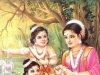
- Depicted as a playful and mischievous child.
- Possesses immense strength and intelligence.
- Symbolizes Hanuman’s innocence and youthful enthusiasm.
Conclusion
Hanuman’s diverse forms and manifestations embody his multifaceted nature and the profound significance he holds in Hindu mythology. He is a symbol of strength, courage, devotion, and unwavering determination. Hanuman’s unwavering loyalty to Lord Rama and his willingness to overcome any obstacle have made him an enduring figure of inspiration and reverence throughout generations.
Keyword Tags
- Hindu mythology
- Hanuman
- Forms of Hanuman
- Monkey god
- Symbol of strength