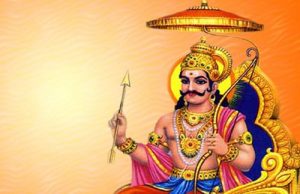
The Enchanting Realm of Hindu Mythology: Unveiling Stories and Symbolism
Introduction
The labyrinthine tapestry of Hindu mythology, woven with intricate tales and profound symbolism, has captivated the hearts and minds of countless devotees for millennia. From the majestic peaks of Mount Kailash to the serene banks of the Ganges, these narratives and symbols offer a window into the profound depths of Indian culture, philosophy, and spirituality.
Myriad Tales and Cosmic Puranas
Hindu mythology is a vast repository of stories, ranging from ethereal tales of gods and goddesses to earthy chronicles of human experiences. The sacred texts known as the Puranas, composed between 300 BCE and 1200 CE, serve as the primary source of these captivating narrations.
Legends of Gods and Goddesses
At the center of Hindu mythology lies the pantheon of deities, each embodying unique attributes and wielding immense powers. Among the most revered are the Trimurti (Trinity):
- Brahma: The creator, depicted with four heads and four arms, representing the four Vedas.
- Vishnu: The preserver, known for his blue skin, conch shell, and Sudarshana Chakra (discus weapon).
- Shiva: The destroyer, portrayed as an ascetic with a third eye and a snake around his neck.
Other prominent deities include the goddess of knowledge, Saraswati; the lord of wealth, Ganesha; and the fierce warrior goddess, Durga.
Cosmic Symbolism and Archetypes
Beyond the captivating stories, Hindu mythology also employs a rich repertoire of symbolism to convey profound truths. These symbols, imbued with cosmic significance, serve as archetypes that resonate deeply within the human psyche.
- The Lotus: A symbol of purity, beauty, and spiritual awakening.
- The Swastika: An ancient symbol of good fortune, prosperity, and the cycle of life.
- The Lingam: A phallic symbol representing the creative energy of Shiva.
- The Yoni: A female symbol representing the receptive energy of Shakti.
- The Mandala: A geometrical representation of the universe and the path to enlightenment.
Philosophical Underpinnings
The stories and symbols of Hindu mythology are not mere entertainment; they embody profound philosophical concepts and teachings:
- Karma and Dharma: Actions have consequences, and righteous conduct (dharma) is essential for spiritual growth.
- Reincarnation and Moksha: Souls undergo multiple lives until they achieve liberation (moksha) from the cycle of birth and death.
- The Unity of All Beings: All living creatures are interconnected, and respect for all life is paramount.
Cultural and Literary Influence
Hindu mythology has profoundly influenced Indian culture and has permeated every aspect of society. It has inspired countless works of art, literature, music, and dance. Epics like the Ramayana and Mahabharata continue to be recited and celebrated throughout the subcontinent.
Conclusion
The enchanting world of Hindu mythology is an inexhaustible source of fascination, wisdom, and inspiration. Its timeless tales and compelling symbols offer a profound glimpse into the rich tapestry of Indian culture and spirituality, fostering a deeper understanding of the human condition and our place within the cosmos.## The Fascinating World Of Hindu Mythology: Stories & Symbolism Explained
Executive Summary
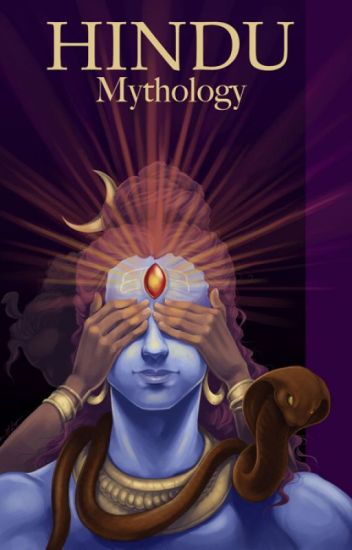
Hindu mythology is a vast and complex tapestry of stories, characters, and symbols that have shaped Indian culture and religion for centuries. Embark on a journey into this enchanting realm, where gods and goddesses, heroes and demons, intertwine in a captivating dance of good and evil. Explore the significance of creation myths, the avatars of Vishnu, the symbolism of animals, and the profound philosophical truths embedded within these ancient tales.
Introduction
In the heart of the ancient Indus Valley, nestled amidst the whispers of time, lies a vibrant tapestry of stories and beliefs known as Hindu mythology. These tales, passed down through generations of oral tradition and written texts, form the cornerstone of Indian culture and have had a profound impact on its art, literature, and spirituality. Join us as we venture into this enchanting world, where gods and goddesses, heroes and demons, battle for supremacy, embodying the eternal struggle between good and evil.
FAQs
What is the central theme of Hindu mythology?
Hindu mythology revolves around the concept of dharma, the righteous path, and the consequences of one’s actions. It explores the eternal cycle of birth, death, and rebirth, known as samsara, and the journey towards spiritual liberation and enlightenment.
Who are the most important gods and goddesses in Hindu mythology?
The Hindu pantheon is vast and includes numerous deities, but the most prominent include:
- Brahma: The creator
- Vishnu: The preserver
- Shiva: The destroyer
Each deity embodies a specific aspect of the divine and plays a pivotal role in the cosmic drama.
What are the different types of beings in Hindu mythology?
Hindu mythology is home to a myriad of beings, including gods, goddesses, humans, demons, and animals. Each type possesses unique characteristics and plays a specific role in the cosmic order.
Subtopics
Creation Myths
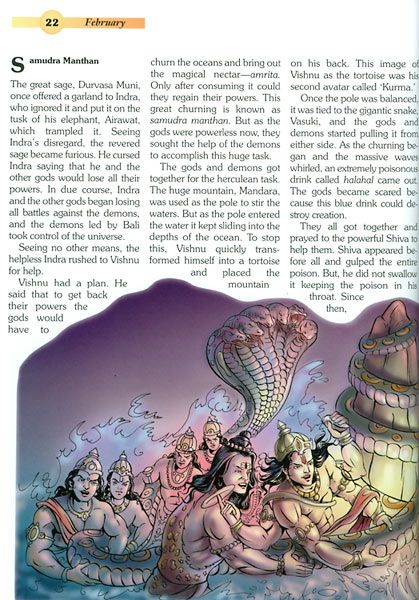
The Vedas, ancient Hindu texts, recount the story of creation. In one version, the universe emerges from the cosmic egg of Brahma, who is himself born from the primordial waters of non-existence. Other tales describe the emergence of the goddess Devi from the churned ocean of milk, symbolizing the birth of order out of chaos.
Avatars of Vishnu
Vishnu, the preserver god, descends to earth in various incarnations, known as avatars, to combat evil and protect the righteous. Some of the most famous avatars include:
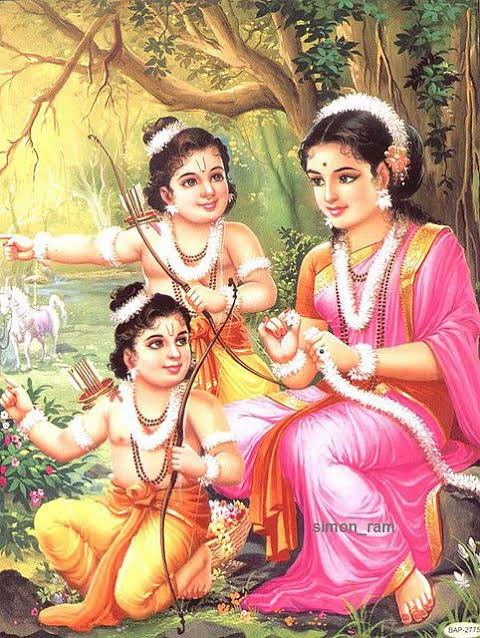
- Rama: The hero of the epic Ramayana, who vanquished the demon Ravana
- Krishna: The divine cowherd who played a pivotal role in the Mahabharata war
- Buddha: The founder of Buddhism, who is considered an avatar of Vishnu
Symbolism of Animals
Animals hold great significance in Hindu mythology, each possessing unique attributes and representing different aspects of human nature.
- Cow: A sacred animal symbolizing purity, motherhood, and abundance
- Elephant: A symbol of strength, wisdom, and royalty
- Snake: A representation of transformation, rebirth, and wisdom
- Monkey: A trickster figure associated with wit and adaptability
The Concept of Maya
Maya is a central concept in Hindu philosophy, referring to the illusion of the material world and the perception of reality. It is said that the world as we experience it is merely a reflection of our own limited understanding and that the true nature of reality lies beyond our sensory perception.
The Bhagavad Gita
The Bhagavad Gita is an epic poem that forms part of the Mahabharata. It contains the teachings of Lord Krishna to Arjuna on the eve of the Kurukshetra war. The text expounds on the nature of dharma, reincarnation, and the path to spiritual liberation.
Conclusion
The world of Hindu mythology is a vast and captivating realm, where stories, characters, and symbols intertwine to create a rich tapestry of human experience and spiritual insight. By exploring the creation myths, avatars of Vishnu, symbolism of animals, and profound philosophies embedded within these ancient tales, we gain a deeper appreciation of the complex and enduring nature of the human journey.
Keyword Tags
Hindu mythology, creation myths, avatars of Vishnu, symbolism of animals, Bhagavad Gita