Unveiling Hinduism: A Journey Through Beliefs, Practices & Rich Traditions
Hinduism, an ancient and intricate spiritual tradition, has captivated millions worldwide. Rooted in the Indian subcontinent, it is a vibrant tapestry of beliefs, practices, and rich cultural heritage. This journey seeks to unravel the multifaceted essence of this enigmatic faith, exploring its core principles, diverse rituals, and enduring traditions.

1. Belief System:
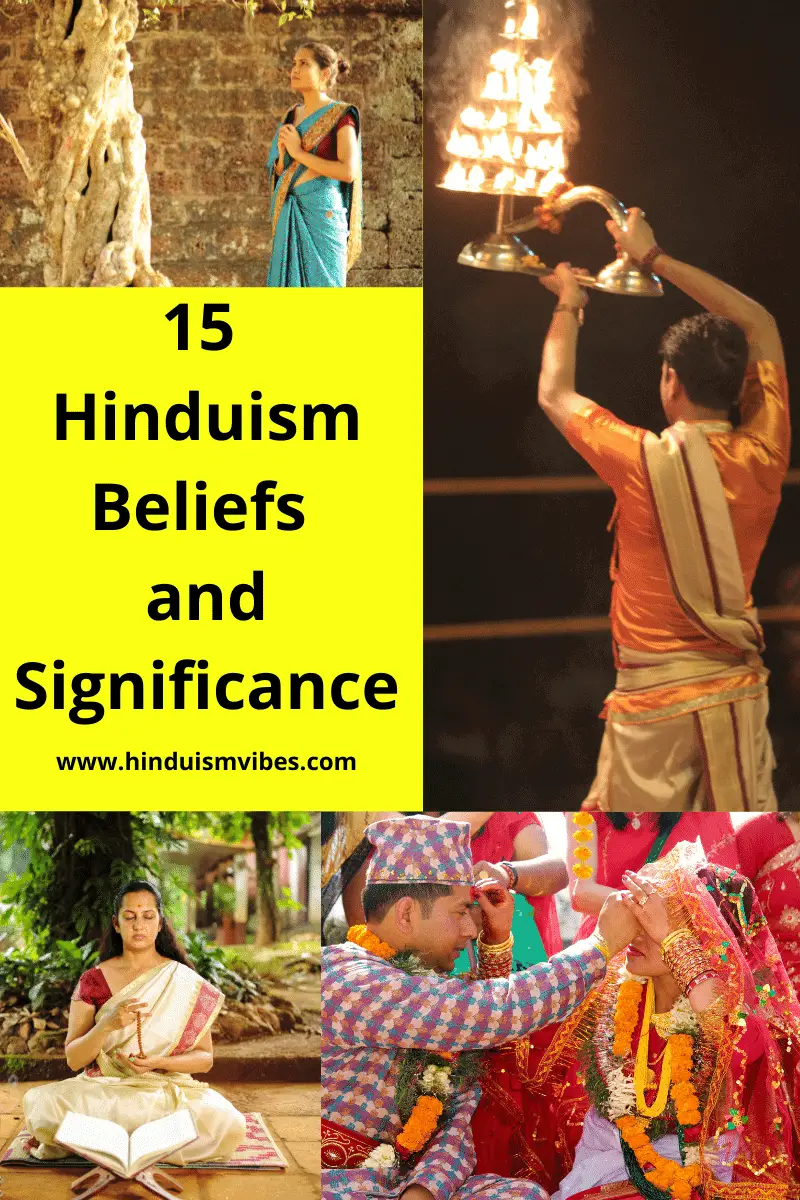
Hinduism is a non-dogmatic religion with a fundamental belief in the concept of Brahman, the universal spirit or ultimate reality. It recognizes a multitude of gods and goddesses, each representing different aspects of the divine and serving as conduits for connection with Brahman. Reincarnation and karma are central to Hindu belief, where actions in one’s life shape their destiny in future lives.
2. Diverse Scriptures:
Hinduism’s vast canon of scriptures forms the foundation of its teachings and beliefs. The Vedas, ancient hymns and rituals, are considered the most sacred. Other prominent texts include the Upanishads, philosophical treatises exploring the nature of reality, and the Puranas, mythological stories conveying moral and spiritual lessons.
3. Sacred Places and Pilgrimages:
Hinduism venerates numerous sacred sites throughout India, each with its unique spiritual significance. The Ganges River is considered a purifying and sacred waterway, while places like Varanasi, Haridwar, and Rishikesh are pilgrimage destinations for millions.
4. Rituals and Ceremonies:
Hinduism is rich in rituals and ceremonies that mark important milestones in life and facilitate spiritual growth. Puja, a daily devotional practice, involves offering prayers, flowers, and incense to deities. Festivals like Diwali, Holi, and Navratri celebrate divine victories, the triumph of good over evil, and the worship of specific deities.
5. Yoga and Meditation:
Yoga, a practice originating in ancient India, plays an integral role in Hinduism. It involves physical postures, breathing exercises, and meditation designed to harmonize the mind, body, and spirit. Meditation techniques like Vedanta and Dhyana are also central to spiritual self-realization.
6. Caste System and Dharma:
The caste system in Hinduism, though controversial, is a social stratification based on occupation and inheritance. Dharma, or duty, is a key concept that guides the behavior and responsibilities of individuals within their caste and broader society.
7. Spirituality and Inner Growth:
Hinduism emphasizes personal spiritual growth and self-realization. It encourages introspection, ethical conduct, and a quest for union with the divine. Moksha, or liberation from the cycle of birth and rebirth, is the ultimate goal of Hindu spiritual practice.
8. Cultural Influence:
Hinduism has profoundly influenced Indian culture, permeating its art, architecture, music, dance, and literature. Temples adorned with exquisite carvings and sculptures showcase the faith’s artistic prowess, while festivals like Kumbh Mela gather millions for spiritual celebrations.
9. Contemporary Relevance:
In an increasingly interconnected world, Hinduism continues to resonate with individuals seeking spirituality and meaning beyond materialism. Its emphasis on compassion, self-discovery, and environmental harmony remains relevant in the modern context.
10. Future Perspectives:
Hinduism faces both challenges and opportunities in the 21st century. As the world grapples with environmental crises and social inequality, the faith’s teachings on interconnectedness and ethical living become increasingly pertinent. Through dialogue, education, and interfaith collaboration, Hinduism can continue to contribute to global spiritual well-being and social progress.
Conclusion:
Unveiling Hinduism is an ongoing journey into a multifaceted and enduring faith. Its core beliefs, diverse practices, and rich traditions offer a path to spiritual fulfillment, personal growth, and a deeper understanding of the world we inhabit. As we continue to explore the intricacies of this ancient tradition, we unravel not only its historical heritage but also its enduring relevance in the ever-evolving tapestry of human spirituality.# Unveiling Hinduism: A Journey Through Beliefs, Practices & Rich Traditions
Executive Summary
Hinduism, the world’s oldest living religion, is a captivating tapestry of beliefs, rituals, and traditions that has shaped the lives of countless individuals for millennia. This comprehensive guide delves into the depths of this complex religion, exploring its core principles, diverse practices, and the profound impact it has had on society. Through a series of compelling narratives and insightful analysis, this article aims to illuminate the essence of Hinduism and provide a deeper understanding of its enduring significance.
Introduction
Hinduism, with its origins stretching back to the Indus Valley Civilization over 5,000 years ago, is a vibrant and multifaceted religion that has played a pivotal role in shaping the cultural and spiritual landscape of South Asia. It is not a singular, codified belief system, but rather a diverse collection of traditions, philosophies, and practices that have evolved over centuries. This article aims to provide a comprehensive overview of Hinduism, covering its fundamental beliefs, key practices, and the rich traditions that have been passed down through generations.
Frequently Asked Questions (FAQs)
What is the central belief of Hinduism?
Hinduism revolves around a belief in the divine, known as Brahman, which is an all-pervading, transcendent reality. It recognizes multiple manifestations of the divine, with the most prominent being the trinity of Brahma (the creator), Vishnu (the preserver), and Shiva (the transformer).
What are the main religious texts of Hinduism?
Hinduism is a text-rich tradition with numerous sacred scriptures. The most revered texts include the Vedas, the Upanishads, the Bhagavad Gita, the Ramayana, and the Mahabharata. These texts provide a wealth of knowledge on Hindu philosophy, mythology, and ethical teachings.
How do Hindus worship?
Hindu worship consists of various rituals and practices, often performed in temples or at home. Puja, the daily worship of deities, involves offerings of food, flowers, and prayers. Other forms of worship include meditation, yoga, and pilgrimages to holy sites.
Core Beliefs and Principles
Dharma:
- Meaning: The righteous path or duty that guides one’s actions.
- Key principles: Adherence to moral principles, fulfilling social obligations, and living in harmony with the world.
- Importance: Dharma forms the ethical foundation of Hindu society, guiding individuals towards a virtuous and meaningful life.
Karma:
- Meaning: The law of cause and effect that governs the cycle of birth, death, and rebirth.
- Key principles: Actions have consequences, both positive and negative.
- Importance: Karma serves as an incentive for ethical behavior, as individuals are responsible for shaping their own destinies.
Samsara:
- Meaning: The cycle of birth, death, and rebirth.
- Key principles: The soul undergoes a series of incarnations until it attains moksha.
- Importance: Samsara provides an opportunity for spiritual growth and evolution.
Moksha:
- Meaning: Liberation from the cycle of rebirth and the ultimate goal of Hindu spirituality.
- Key principles: Achieved through self-realization, knowledge, and devotion.
- Importance: Moksha represents the culmination of the Hindu spiritual journey, leading to a state of eternal bliss and unity with the divine.
Key Practices and Rituals
Puja:
- Meaning: Daily worship of deities through offerings and prayers.
- Process: Involves offering food, flowers, water, and incense to the deity, accompanied by prayers and mantras.
- Importance: Puja creates a connection between devotees and the divine, fostering devotion and seeking blessings.
Yoga:
- Meaning: A system of physical, mental, and spiritual practices aimed at achieving union with the divine.
- Types: Includes various forms of yoga, such as Hatha, Raja, and Karma yoga.
- Importance: Yoga promotes physical and mental well-being, enhances self-discipline, and facilitates spiritual growth.
Meditation:
- Meaning: A practice involving focused concentration and contemplation.
- Techniques: Various meditation techniques are practiced, such as mindfulness meditation, mantra repetition, and visualization.
- Importance: Meditation calms the mind, reduces stress, enhances self-awareness, and promotes inner peace.
Rich Traditions and Cultural Impact
Festivals:
- Celebrations: Hinduism is marked by a vibrant calendar of festivals that celebrate mythology, history, and important events.
- Key festivals: Diwali, Holi, Durga Puja, and Navratri are among the most popular festivals.
- Importance: Festivals bring communities together, strengthen cultural ties, and provide opportunities for joy and celebration.
Art and Architecture:
- Artistic expressions: Hindu art and architecture showcase intricate sculptures, vibrant paintings, and stunning temples.
- Symbolism: Art and architecture convey religious beliefs, mythology, and cultural values.
- Importance: Hindu art and architecture inspire awe, evoke devotion, and serve as a testament to the rich creativity of the tradition.
Social Structure:
- Caste system: Hinduism has historically been associated with a caste system that divides society into hereditary social groups.
- Varna system: The caste system is based on the concept of varna, with four main categories: Brahmins (priests and scholars), Kshatriyas (warriors and rulers), Vaishyas (merchants and traders), and Shudras (laborers and artisans).
- Importance: The caste system has influenced social stratification, family structures, and occupational choices in Hindu society.
Conclusion
Hinduism, with its profound beliefs, diverse practices, and rich cultural heritage, continues to captivate and inspire millions worldwide. Through its emphasis on dharma, karma, samsara, and moksha, Hinduism provides a framework for navigating the complexities of life. Its rituals, festivals, art, and architecture reflect the vibrant and multifaceted nature of the tradition. Understanding Hinduism is not merely an academic pursuit but a journey into the depths of human spirituality and cultural diversity. Embracing the teachings and traditions of Hinduism can enrich our lives, foster compassion, and ultimately lead us towards the path of self-realization and liberation.
Keyword Tags
- Hinduism
- Dharma
- Karma
- Moksha
- Puja