The Hindu Concept of Shakti: Understanding the Feminine Power of the Divine
In the multifaceted tapestry of Hindu spirituality, the concept of Shakti occupies a central and revered position. Embodied as the feminine aspect of the divine, Shakti represents the boundless, creative, and transformative power that animates the universe.
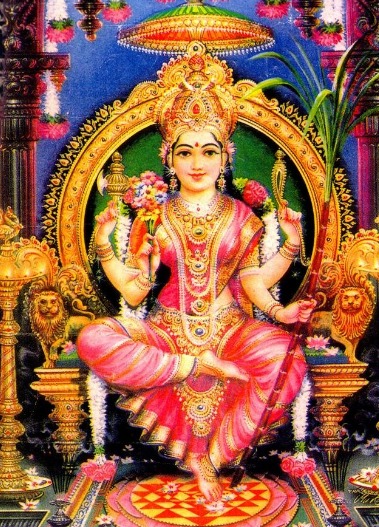
Meaning and Symbolism of Shakti
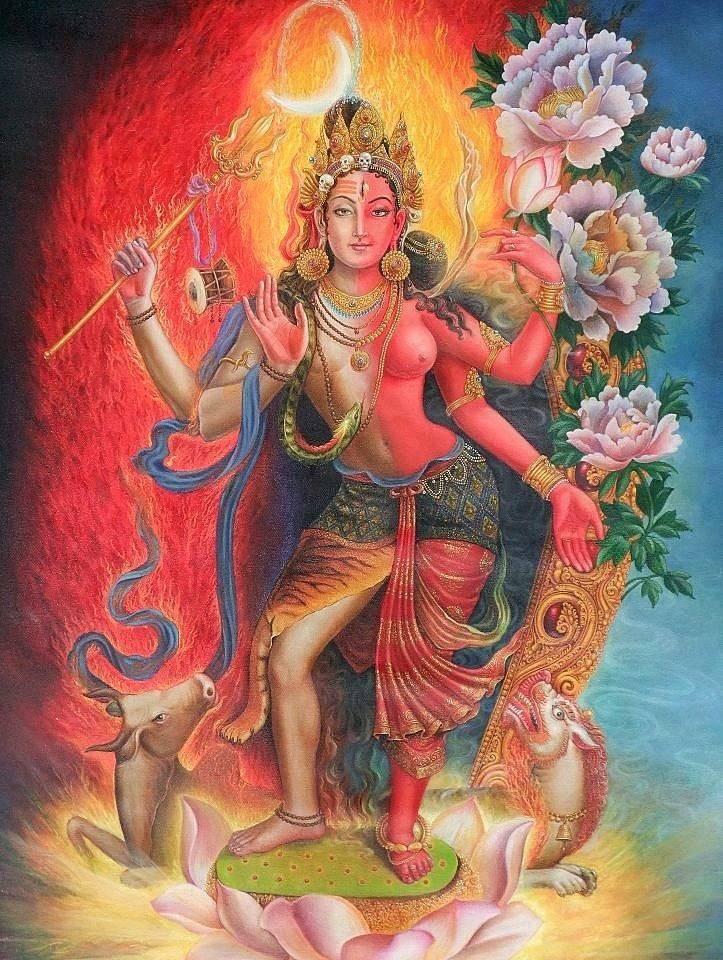
The term “Shakti” translates to “power” or “energy” in Sanskrit. In Hinduism, it is believed that the divine, often referred to as Brahman or Shiva, is both transcendent and immanent. Shakti, as the feminine counterpart, represents the dynamic and active manifestation of that divine essence.
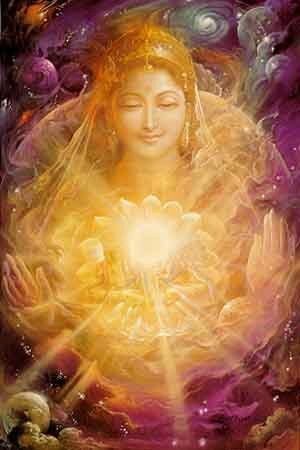
Shakti is often depicted as a beautiful and alluring goddess, adorned with jewels and radiating with energy. Her symbols include the lotus flower, representing purity and fertility, and the serpent, signifying wisdom and power.
Forms and Manifestations of Shakti
Shakti manifests in myriad forms and aspects, each embodying a distinct aspect of her divine power. Some of the most prominent manifestations include:
- Parvati: The consort of Shiva, Parvati is known for her grace, compassion, and maternal love. She represents the gentle and nurturing aspect of Shakti.
- Durga: The warrior goddess, Durga symbolizes strength, determination, and protection. She vanquishes evil and empowers the righteous.
- Lakshmi: The goddess of wealth, fortune, and prosperity, Lakshmi brings material abundance and spiritual blessings.
- Saraswati: The goddess of knowledge, music, and arts, Saraswati embodies wisdom, creativity, and inspiration.
Shakti’s Role in Creation and Maintenance
Shakti is the creative force that brings the universe into existence and sustains it. She is the energy that empowers the gods and allows for the unfolding of cosmic cycles. Without Shakti, the divine would remain dormant and the world would be plunged into chaos.
Conversely, Shakti’s withdrawal or diminution can lead to destruction and dissolution. Her dance and movements are believed to regulate the rhythm and flow of life.
Worship and Devotion to Shakti
Shakti is widely worshipped in Hinduism through various rituals, prayers, and offerings. Devotees seek her blessings for power, prosperity, protection, and enlightenment. Her temples are often adorned with intricate sculptures and vibrant colors, reflecting her vibrant and dynamic nature.
Shakti in Modern Times
The concept of Shakti continues to resonate with people today, beyond the confines of traditional Hindu belief systems. It represents the feminine power within all beings, the creative and transformative potential that lies dormant within each individual.
Understanding Shakti can empower individuals to recognize and harness their own inner strength, forge connections with the divine, and cultivate a more balanced and harmonious life.## The Hindu Concept Of Shakti: Understanding The Feminine Power Of The Divine
Executive Summary
Shakti, a Sanskrit term meaning “power,” is a fundamental concept in Hinduism that represents the feminine power of the divine. Embodying creativity, energy, and the dynamic force of existence, Shakti manifests in various forms, revealing the multifaceted nature of the divine. This article delves into the multifaceted Hindu concept of Shakti, encompassing its diverse manifestations, significance, and impact on Hindu spirituality and philosophy.
Introduction
In the vibrant tapestry of Hindu mythology and philosophy, Shakti holds a central place, personifying the potent feminine energy that animates the cosmos. Through her myriad manifestations, Shakti embodies the creative, transformative, and empowering forces that underpin the universe. Understanding the concept of Shakti is crucial to grasp the profound dynamics of Hindu spirituality and the reverence for the feminine in divine expression.
FAQs
1. What does Shakti represent in Hinduism?
Shakti embodies the active, dynamic, and feminine power of the divine, representing creation, sustenance, and transformation.
2. How is Shakti manifested?
Shakti manifests in a myriad of forms, including goddesses such as Durga, Kali, and Lakshmi, as well as in natural forces like the wind and the power of speech.
3. What is the significance of Shakti worship?
Shakti worship empowers devotees, especially women, by recognizing the divine feminine as a source of strength, wisdom, and liberation.
Manifestations of Shakti: Unveiling the Divine Tapestry
Devi: The Manifest Goddess
- Durga: The fierce warrior goddess who protects against evil and ignorance.
- Kali: The goddess of destruction and transformation, representing the power to dissolve illusions.
- Lakshmi: The goddess of wealth, prosperity, and abundance, symbolizing the power of material and spiritual well-being.
Nature’s Elements: Embodied Energy
- Vayu Shakti: The power of the wind, representing speed, communication, and the breath of life.
- Jal Shakti: The power of water, representing purity, nourishment, and the life-giving essence.
- Tejas Shakti: The power of fire, representing transformation, purification, and the divine light.
Human Consciousness: Shakti Within
- Kundalini Shakti: The dormant spiritual energy coiled at the base of the spine, representing the potential for spiritual awakening and liberation.
- Manas Shakti: The power of the mind, representing intellect, creativity, and the capacity for higher consciousness.
- Buddhi Shakti: The power of discrimination and wisdom, representing the ability to discern truth and transcend duality.
Shakti’s Role in Creation and Sustenance
- Shakti as the Dynamic Force: She is the active principle that brings forth creation from the passive potential of Shiva.
- Shakti as the Preserver: She sustains and nourishes the created universe through her nurturing and protective power.
- Shakti as the Transformer: She brings about change and evolution, dissolving old forms and manifesting new possibilities.
Conclusion
The Hindu concept of Shakti underscores the profound recognition of the feminine as a potent and integral aspect of the divine. Through her diverse manifestations, Shakti empowers devotees, inspires spiritual growth, and reveals the multifaceted nature of existence. By embracing the transformative power of Shakti, individuals can unlock their inner potential, navigate the complexities of life, and experience the vibrant tapestry of the divine feminine.
Keyword Tags
- Shakti
- Hindu Goddesses
- Feminine Power
- Divine Energy
- Cosmic Creation