
The Significance of Kumbh Mela: The World’s Largest Spiritual Gathering
Introduction
The Kumbh Mela is the world’s largest spiritual gathering, attracting tens of millions of pilgrims to India every 3 years. It is a sacred festival that celebrates the mythology, traditions, and beliefs of Hinduism. The mela is held in four cities (Haridwar, Prayagraj, Nashik, and Ujjain) on a rotating basis, and the venue changes every 6 years.
Mythological Origins
The Kumbh Mela has its roots in ancient Hindu mythology. According to legend, the gods and demons churned the ocean of milk to obtain Amrita, the nectar of immortality. A few drops of the nectar fell at four different locations: Haridwar, Prayagraj, Nashik, and Ujjain. These places became the sacred sites for the Kumbh Mela.
Spiritual Significance
The Kumbh Mela is a time for devotees to bathe in the holy rivers (Ganges, Yamuna, and Saraswati), perform rituals, and offer prayers. It is believed that taking a dip in the sacred waters during the mela can wash away sins, purify the soul, and bring good fortune. The festival is also a time for spiritual enlightenment and self-realization.
Cultural Significance
The Kumbh Mela is a vibrant display of Indian culture and heritage. Devotees from all over the country gather at the mela grounds, forming a melting pot of languages, customs, and beliefs. Sadhus (holy men) and ascetics from different sects and traditions come together to share their knowledge and teachings. The festival is also an important economic event, boosting local trade and tourism.
Environmental Significance
The Kumbh Mela is a major environmental concern due to the massive influx of pilgrims. The mela generates large amounts of waste, air pollution, and water contamination. However, in recent years, efforts have been made to make the festival more sustainable. Governments and organizations have implemented initiatives to promote solid waste management, reduce plastic consumption, and protect the sacred rivers.
Tourism and Economic Impact
The Kumbh Mela is a major tourist attraction, drawing visitors from around the world. The festival generates significant revenue for local businesses, including hotels, restaurants, and transportation providers. It also provides employment opportunities for thousands of people. The government invests heavily in infrastructure and security to accommodate the vast number of pilgrims.
Challenges and Controversies
Despite its religious and cultural significance, the Kumbh Mela has faced its share of challenges and controversies. Overcrowding, stampedes, and sanitation issues have led to safety concerns. The festival has also been criticized for its environmental impact and the presence of fake sadhus who exploit pilgrims.
Conclusion
The Kumbh Mela is an extraordinary event that combines mythology, spirituality, culture, and environmental challenges. It is a testament to the enduring power of faith and the resilience of Indian traditions. By embracing inclusivity, sustainability, and safety measures, the Kumbh Mela can continue to inspire and uplift millions of devotees for generations to come.## The Significance Of Kumbh Mela: The World’s Largest Spiritual Gathering
Executive Summary
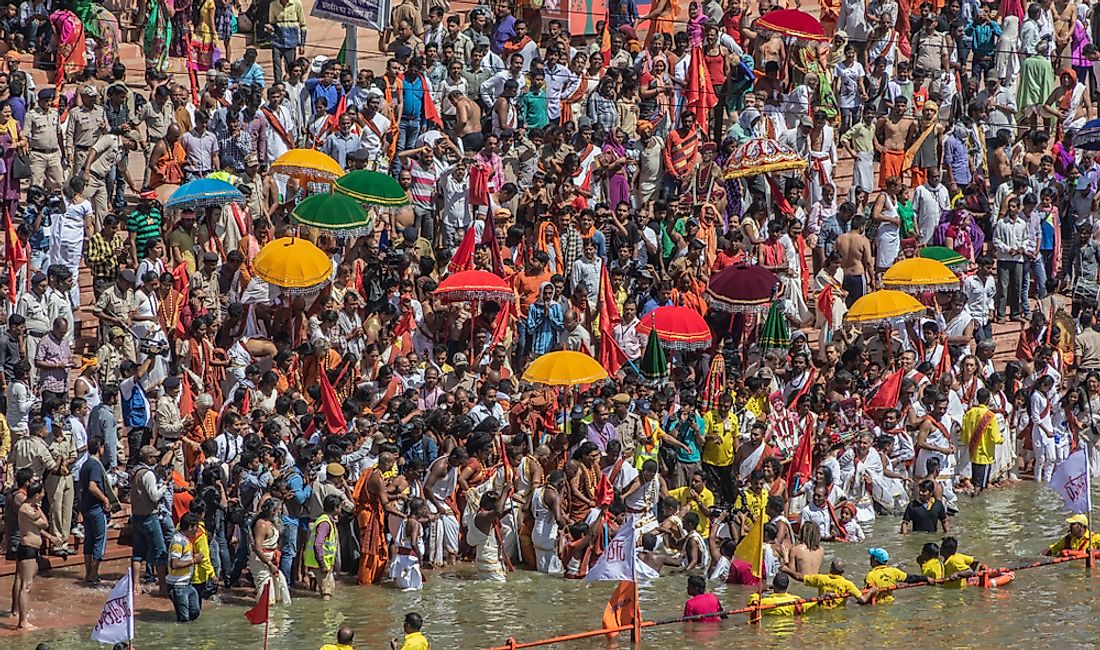
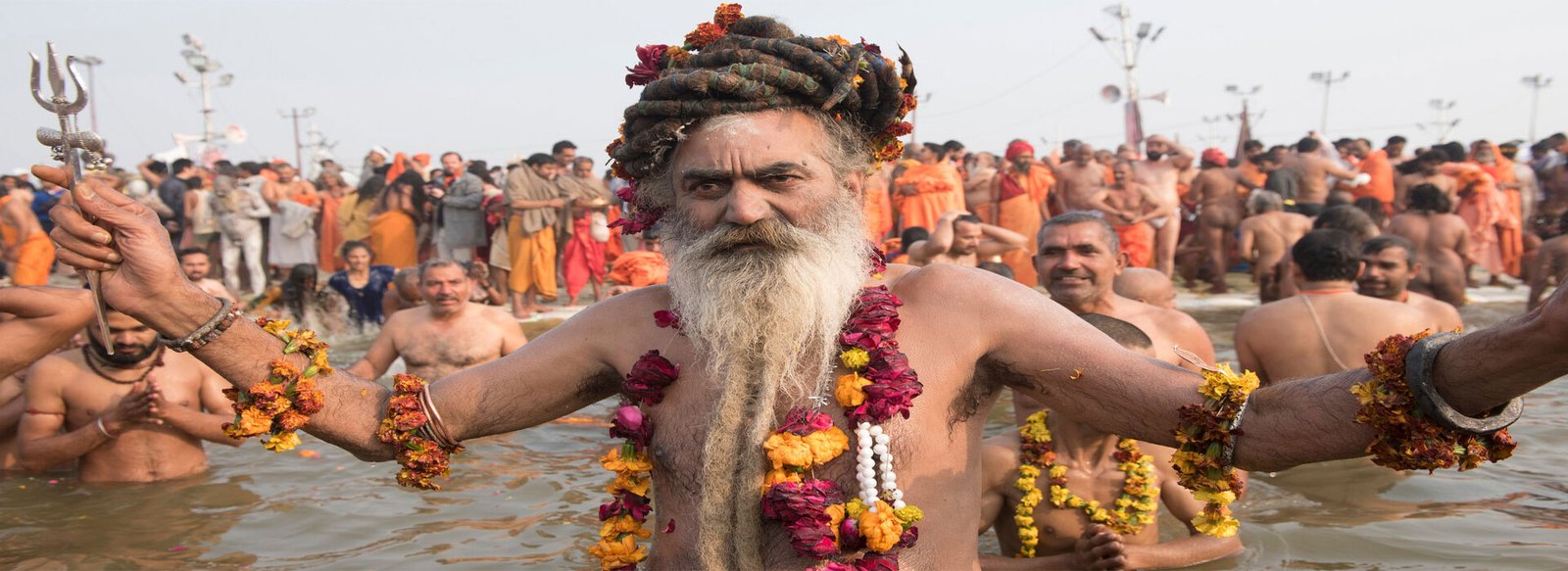
The Kumbh Mela, a sacred Hindu pilgrimage and the world’s largest spiritual gathering, holds profound religious, cultural, and social significance. This grand festival, celebrated on a grand scale every 12 years in four holy cities along the Ganges River, attracts millions of devotees, seekers, and tourists from around the globe. It’s a remarkable spectacle and a unique opportunity for spiritual immersion, purification, and communal bonding.
Introduction
The Kumbh Mela is a testament to India’s rich spiritual heritage and its enduring power to inspire and unite people. Rooted in ancient scriptures and mythological tales, the festival commemorates the churning of the ocean of milk by the gods and demons, which is believed to have produced the elixir of immortality, known as Amrita.
Frequently Asked Questions
Q: Why is the Kumbh Mela held in four different locations?
A: Allahabad, Haridwar, Ujjain, and Nashik, represent the four corners of India and are associated with different celestial bodies and mythological events.
Q: What is the significance of taking a dip in the Ganges during the Kumbh Mela?
A: Bathing in the holy waters is believed to cleanse sins, purify the body and mind, and bring spiritual enlightenment.
Q: How long does the Kumbh Mela last?
A: The duration of the festival varies depending on the location and astrological alignments, but it typically spans several weeks to months.
Top Five Subtopics of Kumbh Mela
Spiritual Significance
- Devotional Offerings: Devotees make offerings to the sacred river Ganges and pray to their deities for blessings, guidance, and fulfillment.
- Holy Bathing: The primary ritual of the Kumbh Mela is bathing in the Ganges River, which is believed to have purifying and spiritual cleansing power.
- Satsangs and Spiritual Discourses: Renowned saints, scholars, and spiritual leaders deliver discourses, share wisdom, and inspire attendees to deepen their understanding of life and spirituality.
- Meditation and Yoga: The festival provides ample opportunities for spiritual seekers to engage in meditation, yoga, and other contemplative practices to connect with their inner selves.
- Community Bonding: The Kumbh Mela fosters a sense of unity and brotherhood among devotees, regardless of their religious background, social status, or nationality.
Cultural Significance
- Ancient Traditions and Rituals: The Kumbh Mela preserves and showcases ancient Hindu traditions, rituals, and ceremonies that have passed down through generations.
- Folklore and Mythology: The festival is deeply intertwined with Hindu mythology, and many legends and stories about its origins and significance are shared among attendees.
- Arts and Crafts: Artisans and performers from all over India converge at the Mela, showcasing their skills in painting, music, dance, and handicraft.
- Cultural Exchange: The Kumbh Mela is a platform for cultural exchange, where people from diverse backgrounds interact and share their traditions and beliefs.
- Tourism: The festival attracts a large number of tourists from around the world, who come to witness its grandeur, experience the spiritual atmosphere, and learn about Indian culture.
Social Significance
- Charity and Service: The Kumbh Mela is a time for acts of charity and service to the needy. Many charitable organizations and individuals distribute food, clothing, and medical care to pilgrims and visitors.
- Education and Empowerment: The Mela serves as a platform for educational initiatives, workshops, and awareness campaigns that aim to empower individuals and communities.
- Health and Hygiene: The government and various organizations implement extensive health and hygiene measures during the festival to ensure the well-being of attendees.
- Economic Impact: The Kumbh Mela generates significant economic activity in the regions where it is held, providing employment opportunities and boosting local businesses.
- Environmental Sustainability: In recent years, efforts have been made to promote environmental sustainability at the Kumbh Mela, including waste management, water conservation, and afforestation.
Economic Significance
- Tourism and Hospitality: The Kumbh Mela is a major tourist attraction, generating revenue from accommodation, transportation, and other services.
- Employment Opportunities: The festival creates temporary employment opportunities for vendors, laborers, and service providers.
- Infrastructure Development: The government invests heavily in infrastructure development, such as roads, bridges, and sanitation facilities, to facilitate the large influx of pilgrims.
- Business Opportunities: The Mela presents entrepreneurs with opportunities for business ventures, including food stalls, souvenir shops, and spiritual merchandise.
- Economic Stimulus: The overall economic activity generated by the Kumbh Mela stimulates the local and regional economies.
Challenges and Opportunities
- Crowd Management: Managing the massive crowds is a significant challenge, requiring extensive planning and coordination by authorities.
- Environmental Impact: The large number of attendees can pose environmental challenges, such as waste generation and water contamination.
- Health Risks: The Mela poses health risks, such as the spread of diseases, due to overcrowding and unsanitary conditions.
- Safety and Security: Ensuring the safety and security of millions of pilgrims during the festival is a top priority for authorities.
- Modernization and Innovation: The Kumbh Mela faces the challenge of balancing tradition with modernization and adopting sustainable practices while preserving its spiritual essence.
Conclusion
The Kumbh Mela is more than just a religious festival; it is a living embodiment of India’s ancient traditions, cultural diversity, and social solidarity. It brings together people from all walks of life for a shared experience of spirituality, purification, and communal harmony. The festival presents both opportunities and challenges, and it is essential to address these effectively to ensure its continued significance and legacy for generations to come.
Keyword Tags
- Kumbh Mela
- Spiritual Gathering
- Hinduism
- Ganges River
- Pilgrimage