Vedic Astrology and Planetary Transits: Navigating Life’s Ups and Downs with Grace
Vedic astrology, an ancient Indian system of astrology, offers a profound understanding of the cosmic influences that shape our lives. By examining the positions and movements of the planets, astrologers can gain insights into our strengths, weaknesses, and potential life paths. Planetary transits, the movement of planets through the zodiac signs, are particularly significant in Vedic astrology, as they trigger specific events and create opportunities for growth and transformation.
Understanding Planetary Transits

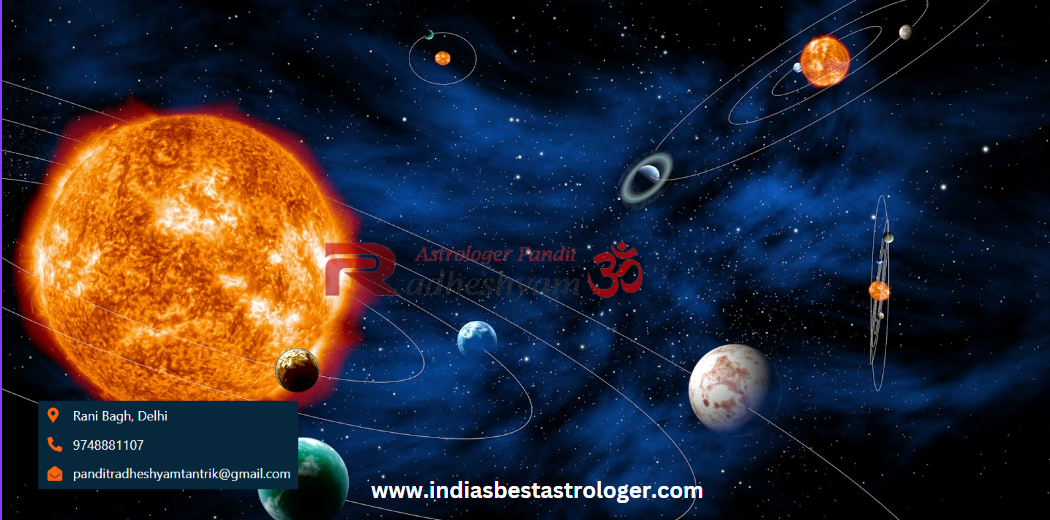
Each planet in the solar system has its own unique qualities and influences. As planets transit through different zodiac signs, they interact with each other, creating various combinations of energy. These combinations can have a profound impact on our physical, emotional, and mental well-being.
Benefic and Malefic Transits
In Vedic astrology, planets are classified as either benefic (favorable) or malefic (unfavorable). Benefic planets, such as Jupiter and Venus, tend to bring positive influences and opportunities. Malefic planets, such as Saturn and Rahu, can indicate challenges and obstacles.
However, it’s important to note that even malefic transits can have their benefits. They force us to confront our weaknesses and overcome adversity, leading to valuable lessons and personal growth.
Navigating Planetary Transits with Grace
While planetary transits can create both favorable and challenging conditions, it’s possible to navigate them with grace and intention. Here are some tips:
- Be aware of the transits: Study your birth chart and keep track of upcoming transits.
- Understand the energy of the transiting planets: Research the characteristics of the planets involved and how they will affect your life.
- Embrace opportunities: Benefic transits provide favorable opportunities for growth and expansion. Seize these moments and make the most of them.
- Face challenges with courage: Malefic transits can create obstacles, but they also present opportunities for learning and transformation. Approach these challenges with courage and resilience.
- Seek guidance from an astrologer: A qualified astrologer can provide personalized insights into your transits and help you develop strategies for navigating them.
- Meditate and practice self-care: Meditation and self-care practices can help you stay grounded and cope with the emotional impact of transits.
- Trust the process: Remember that transits are temporary and eventually pass. Trust in the divine plan and the cyclical nature of life.
Conclusion
Vedic astrology and planetary transits offer a valuable tool for understanding our lives and navigating the ups and downs with grace. By understanding the energy of transiting planets, we can prepare ourselves for challenges, seize opportunities, and ultimately grow from every experience. Remember, the journey of life is not always easy, but with awareness and intention, we can navigate it with resilience and grace.## Vedic Astrology And Planetary Transits: Navigating Life’s Ups And Downs With Grace
Executive Summary
Vedic astrology is an ancient system of knowledge that can provide insights into our lives, relationships, and the world around us. By understanding the positions and movements of the planets, we can gain a better understanding of our own nature and the challenges and opportunities that lie ahead. This knowledge can empower us to make more informed decisions, navigate life’s transitions with greater ease, and live more fulfilling lives.
Introduction
Life is a journey, and like any journey, there will be ups and downs along the way. Vedic astrology can help us to understand the cosmic forces that are at play in our lives, and how to navigate them with grace and ease. By understanding the positions and movements of the planets, we can gain insights into our own nature, our relationships, and the world around us. This knowledge can empower us to make more informed decisions, and to live more fulfilling lives.
FAQs
-
What is Vedic astrology?
Vedic astrology is an ancient system of knowledge that uses the positions and movements of the planets to gain insights into our lives, relationships, and the world around us. -
How can Vedic astrology help me?
Vedic astrology can help you to understand your own nature, your relationships, and the world around you. It can also help you to make more informed decisions and to live a more fulfilling life. -
Is Vedic astrology accurate?
Vedic astrology is a complex system of knowledge, and its accuracy depends on the skill of the astrologer. However, when practiced by a skilled astrologer, Vedic astrology can be a powerful tool for self-understanding and empowerment.
Subtopics
1. The Planets
The planets are the key players in Vedic astrology. Each planet has its own unique energy and influence, and the position and movement of the planets in our birth chart can tell us a lot about our personality, our strengths and weaknesses, and our life path.
Important Pieces:
- Sun: Represents the soul, ego, and vitality.
- Moon: Represents the mind, emotions, and subconscious.
- Mars: Represents action, courage, and determination.
- Mercury: Represents communication, intellect, and adaptability.
- Jupiter: Represents wisdom, expansion, and abundance.
2. The Houses
The houses in a Vedic astrology chart represent different areas of life, such as career, relationships, health, and spirituality. The planets that are placed in each house can tell us about the challenges and opportunities that we will face in these areas of life.
Important Pieces:
- 1st House: Represents self, identity, and physical appearance.
- 2nd House: Represents wealth, possessions, and family.
- 3rd House: Represents communication, siblings, and short journeys.
- 4th House: Represents home, family, and emotional security.
- 5th House: Represents creativity, children, and romance.
3. The Signs
The signs of the zodiac represent the different qualities and energies that are present in the world around us. The sign that we are born under can tell us a lot about our personality, our strengths and weaknesses, and our life path.
Important Pieces:
- Aries: Represents courage, determination, and leadership.
- Taurus: Represents stability, practicality, and sensuality.
- Gemini: Represents communication, intellect, and adaptability.
- Cancer: Represents emotions, intuition, and family.
- Leo: Represents confidence, creativity, and leadership.
4. The Dasha System
The Dasha system is a method of timing events in Vedic astrology. It is based on the belief that the planets move through our lives in a predictable cycle, and that each planet has its own unique influence on our lives. The Dasha system can be used to predict when we will experience major life events, such as marriage, childbirth, and career changes.
Important Pieces:
- Mahadasha: The main period of a planet’s influence.
- Antardasha: The sub-period of a planet’s influence.
- Pratyantar Dasha: The sub-sub-period of a planet’s influence.
5. The Transits
The transits are the movements of the planets through the zodiac signs. The transits can tell us about the challenges and opportunities that we will face in the coming months and years. By understanding the transits, we can prepare for the future and make the most of the opportunities that come our way.
Important Pieces:
- Conjunctions: When two or more planets are in the same sign.
- Oppositions: When two planets are in opposite signs.
- Trines: When two planets are in signs that are 120 degrees apart.
- Squares: When two planets are in signs that are 90 degrees apart.
Conclusion
Vedic astrology is a powerful tool for self-understanding and empowerment. By understanding the positions and movements of the planets, we can gain insights into our own nature, our relationships, and the world around us. This knowledge can empower us to make more informed decisions, navigate life’s transitions with greater ease, and live more fulfilling lives.
Keyword Tags
- Vedic astrology
- Planetary transits
- Astrology chart
- Dasha system
- Transits