Significance of Karma in Hindu Culture
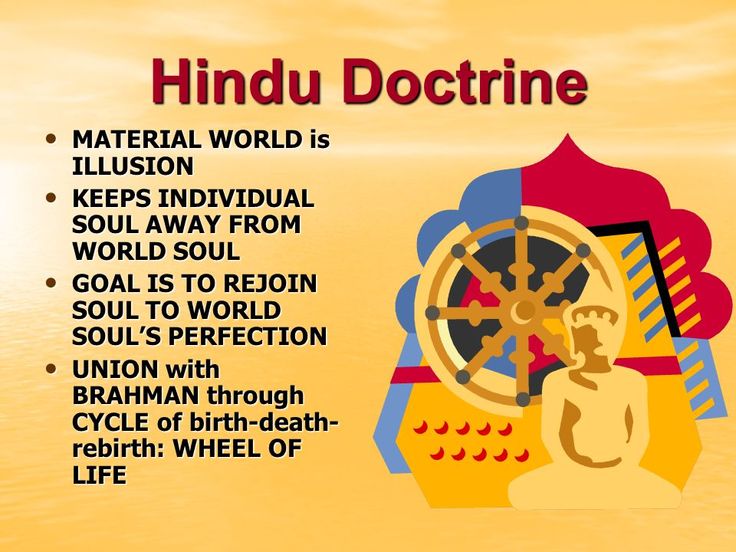
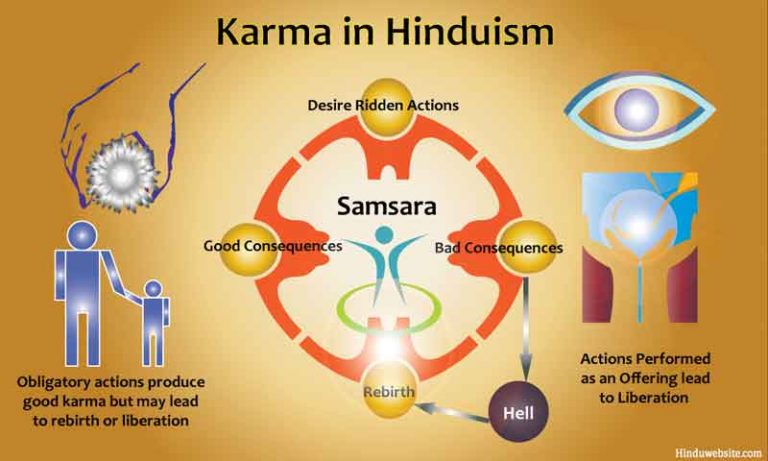
Karma, a fundamental principle in Hindu culture, is the belief that an individual’s actions and intentions determine their future, both in this life and after. It is a universal law that governs the cycles of birth, death, and rebirth.
Key Aspects of Karma:
- Sanchita Karma: The sum total of all past actions, both good and bad, that have yet to bear fruit.
- Prarabdha Karma: The portion of sanchita karma that is currently active and influencing an individual’s present life.
- Kriyamana Karma: Actions and intentions performed in the present that will shape future experiences.
Mechanisms of Karma:
Karma operates through two mechanisms:
- Samskaras: Mental impressions created by actions and thoughts that shape future behaviors and experiences.
- Vipaka: The consequences or fruits of actions, both pleasurable and painful, that are experienced in response to past deeds.
Consequences of Karma:
The law of karma dictates that individuals create their own destiny through their actions. Good actions lead to positive consequences, while negative actions lead to adverse experiences. This includes:
- Birth and Rebirth: Karmic balance determines the circumstances and experiences of an individual’s birth and future lives.
- Suffering and Joy: Painful experiences are the result of negative past actions, while happiness and success stem from positive deeds.
- Dharma: Karma influences one’s dharma, or duty, by shaping their inclinations, desires, and abilities.
Breaking the Cycle of Karma:
While karma is an unyielding law, it is not absolute. Through certain practices and realizations, individuals can transcend the cycle of karma and attain spiritual liberation (moksha):
- Good Actions: Sincere and selfless acts can gradually neutralize negative karma and create positive samskaras.
- Detachment: Cultivating non-attachment to worldly pleasures and outcomes mitigates the effects of karma.
- Bhakti Yoga: Devotion to God can offer protection from the consequences of negative actions.
- Jnana Yoga: The path of knowledge and realization leads to an understanding of the true nature of karma and the self, breaking the cycle of rebirth.
Conclusion:
Karma is a fundamental principle in Hindu culture that emphasizes personal responsibility for one’s actions and destiny. By understanding karma and its mechanisms, individuals can strive for ethical choices, positive samskaras, and ultimately, the realization of spiritual liberation. The law of karma serves as a profound reminder of the interconnectedness of all beings and the power of individual choices in shaping the future.## The Significance Of Karma In Hindu Culture
Executive Summary
Karma is a fundamental concept in Hindu culture, shaping the beliefs, actions, and aspirations of its followers. According to the law of karma, every action, whether good or bad, has its corresponding consequences, which determine an individual’s present and future circumstances. This article explores the profound significance of karma in Hinduism, examining its various aspects and implications.
Introduction
Hinduism is a rich and diverse religion with a vast array of beliefs and practices. Among these, the concept of karma holds a central position, influencing the lives of Hindus in countless ways. It is believed that karma is an invisible force that governs the universe, ensuring justice and balance. By understanding and adhering to the principles of karma, individuals can strive for a better present and future.
FAQs
Q: What is the origin of karma?
A: The concept of karma originated in ancient India and is found in the Vedas, the foundational scriptures of Hinduism. It is believed to be an intrinsic part of the universe, operating according to its own laws.
Q: How does karma affect an individual’s life?
A: Karma influences every aspect of a person’s life, from their health and relationships to their financial and spiritual well-being. Good actions lead to positive consequences, while bad actions result in negative consequences.
Q: Is it possible to change one’s karma?
A: Yes, it is believed that through conscious effort and selfless actions, individuals can accumulate positive karma and mitigate the effects of past negative actions. However, the consequences of karma cannot be completely erased.
Subtopics
1. Karma and Dharma
- Dharma: Refers to one’s duty or righteous path in life.
- Karma: Represents the consequences of actions, both good and bad, that shape an individual’s destiny.
- Interrelation: Dharma guides an individual’s actions, while karma determines the outcomes of those actions.
2. Karmic Rebirth
- Reincarnation: The belief that after death, the soul takes on a new body.
- Karma: Determines the circumstances and experiences of each reincarnation.
- Goal: The ultimate goal of karmic rebirth is to achieve moksha, liberation from the cycle of birth and death.
3. The Significance of Intentions
- Intentions: The mental state or motivations behind an action.
- Karma: Good intentions, even if the outcome is negative, lead to positive karma.
- Consequences: Bad intentions, even if the outcome is positive, can result in negative karma.
4. The Law of Cause and Effect
- Cause: Every action, whether physical or mental, is a cause.
- Effect: Each cause has its corresponding effect, both in this life and in future lives.
- Balance: The universe strives to maintain balance, ensuring that every action is ultimately accounted for.
5. Karmic Justice
- Justice: Karma ensures fairness and accountability for actions.
- Consequences: Those who perform evil deeds will face negative consequences, while those who do good will be rewarded.
- Balance: Karma maintains a universal order, preventing chaos and injustice.
Conclusion
Karma is a multifaceted and profound concept that permeates every aspect of Hindu culture. By understanding its principles and implications, individuals can make conscious choices that lead to positive outcomes and contribute to their spiritual growth. Karma serves as a guide, emphasizing the importance of ethical behavior, selfless actions, and the pursuit of a righteous path. Through the law of karma, Hinduism offers a framework for understanding the complexities of life and striving for a better future.
Keyword Tags
- Karma
- Hindu Culture
- Dharma
- Reincarnation
- Karmic Justice