
The Power of Devotion: Exploring Bhakti Yoga
Introduction
Bhakti yoga, the path of devotion, is one of the four main paths of yoga, an ancient spiritual practice that aims to connect the individual soul with the divine. Through heartfelt devotion, bhakti yogis seek to cultivate love, compassion, and surrender, ultimately achieving a state of divine union.
Core Principles of Bhakti Yoga
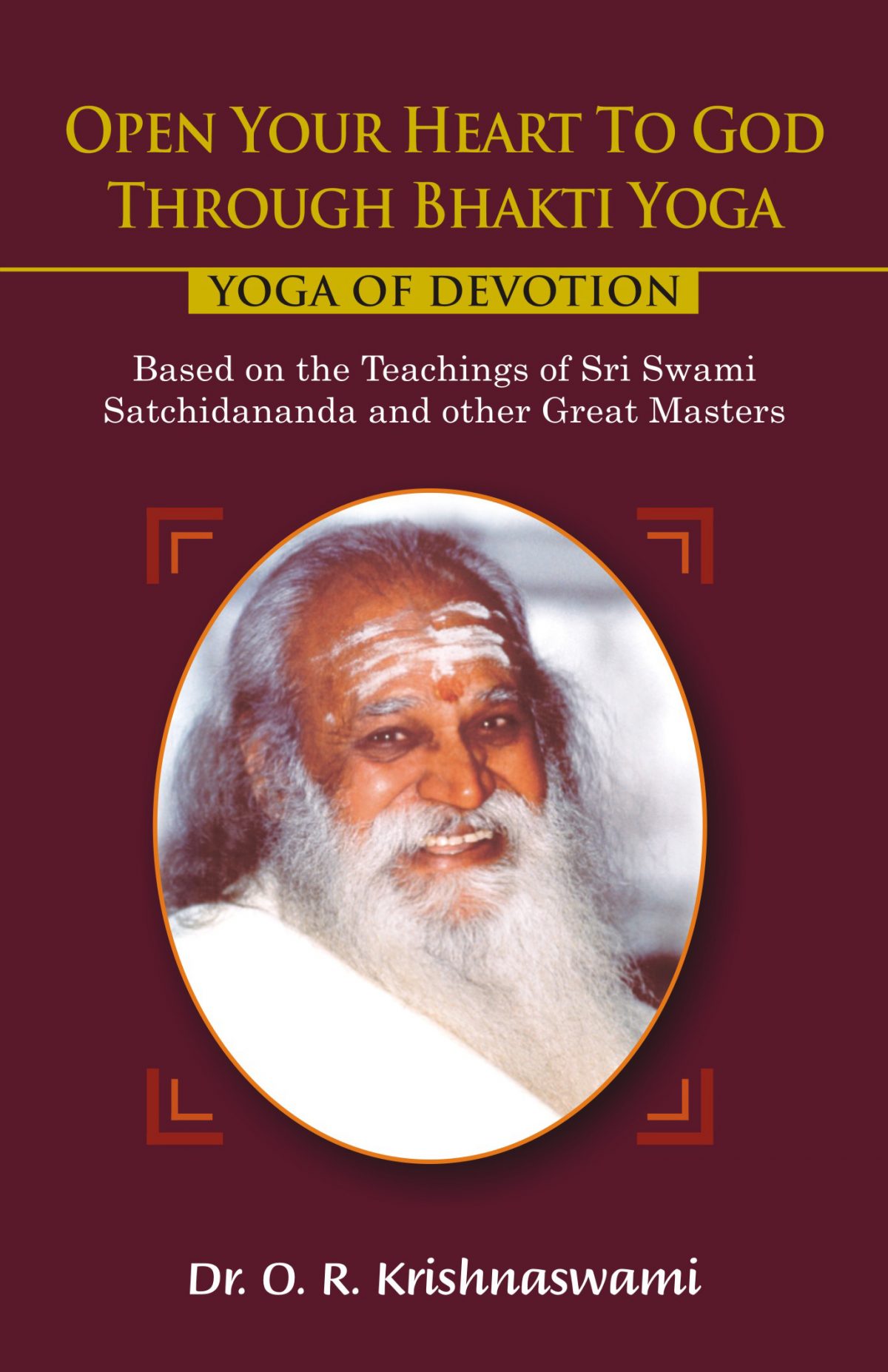
- Love for God: The central tenet of bhakti yoga is the cultivation of intense love and devotion towards a chosen deity, such as Krishna, Shiva, or Devi.
- Surrender: Bhakti yogis practice surrendering their ego and desires to the divine, allowing themselves to be guided by the higher power.
- Service: Devotion is expressed through acts of selfless service and offering to God, such as chanting mantras, performing rituals, and helping others.
- Association: Bhakti yogis seek fellowship with like-minded individuals, forming spiritual communities that support and inspire their practice.
Practices and Rituals

Chanting:
Chanting the names of God, known as mantras, is a powerful practice that helps purify the mind, connect with the divine, and manifest positive vibrations.
Prayer:
Bhakti yogis engage in heartfelt prayers, expressing their gratitude, love, and aspirations to God.
Meditation:
Meditation on the divine qualities and teachings helps yogis deepen their connection and cultivate a state of inner peace.
Kirtan:
Group singing and chanting of devotional songs is a joyful and transformative practice that creates a powerful collective energy.
Benefits of Bhakti Yoga
- Emotional Healing: Devotion can heal emotional wounds and bring a sense of peace, love, and fulfillment.
- Spiritual Awakening: Bhakti yoga awakens the divine within and leads to a gradual experience of God’s presence in all aspects of life.
- Stress Reduction: The practices of bhakti yoga, such as chanting and meditation, help manage stress and improve mental well-being.
- Community Connection: Bhakti communities provide support, inspiration, and a sense of belonging, fostering spiritual growth and harmony.
Conclusion
Bhakti yoga is a powerful path that offers a transformative journey of love, devotion, and surrender. Through the practices of chanting, prayer, meditation, and service, bhakti yogis cultivate a deep connection with the divine, leading to emotional healing, spiritual awakening, and a profound sense of peace and fulfillment. By embracing the power of devotion, individuals can transcend their limitations and experience the boundless love and grace of the universe.## The Power Of Devotion: Exploring Bhakti Yoga
Executive Summary
Bhakti Yoga, a path of devotion, is a spiritual practice that emphasizes the cultivation of love and devotion towards God or a higher power. It is a powerful tool for inner transformation, leading to a deep connection with the divine, enhanced well-being, and a profound understanding of oneself and the world around us.
Introduction
Bhakti Yoga, one of the three main paths of yoga, offers a unique and transformative journey of spiritual growth. It focuses on developing a deep and personal connection with the divine, characterized by love, surrender, and a heartfelt desire to serve. Through practices like chanting, singing, dancing, and meditation, Bhakti Yoga aims to cultivate a profound sense of devotion and merge the individual consciousness with the ultimate reality.
FAQs
-
What are the benefits of Bhakti Yoga?
- Promotes deep spiritual connection and understanding of the divine.
- Fosters love, compassion, and service towards others.
- Enhances emotional well-being and inner peace.
- Cultivates self-awareness, humility, and acceptance.
- Leads to a profound sense of purpose and meaning in life.
-
Is Bhakti Yoga accessible to everyone?
- Yes, Bhakti Yoga is a path open to all, regardless of age, background, or religious beliefs.
- It is a universal practice that emphasizes the commonality of the human experience and the desire for connection with the divine.
-
How do I start practicing Bhakti Yoga?
- Begin by exploring devotional practices that resonate with you, such as chanting mantras, singing devotional songs, or simply spending time in silent meditation.
- Connect with a spiritual teacher or community to guide your practice and provide support.
- Be open to the transformative power of love and devotion, and allow it to guide your actions and intentions.
Subtopics
Love and Devotion
- The essence of Bhakti Yoga is the cultivation of love and devotion towards God or a higher power.
- This love is not possessive or conditional but rather a pure and selfless offering of the heart.
- It involves expressing gratitude, appreciation, and adoration for the divine, recognizing its infinite qualities and boundless love.
Surrender and Humility
- Bhakti Yoga emphasizes the value of surrender and humility in the path of devotion.
- It involves letting go of ego, pride, and self-centeredness, recognizing the limitations of the individual self.
- By surrendering to the divine, practitioners open themselves to the transformative power of grace and guidance.
Service and Compassion
- In Bhakti Yoga, service to others is regarded as a profound expression of devotion.
- It involves offering selfless actions, whether small or grand, with love and compassion.
- By serving others, practitioners extend the love and connection they feel towards the divine to all beings.
Meditation and Chanting
- Meditation and chanting are central practices in Bhakti Yoga, aiding in the cultivation of inner stillness and connection with the divine.
- Through meditation, practitioners quiet the mind and delve into the depths of their being, opening themselves to the experience of divine presence.
- Chanting mantras or devotional songs focuses the mind and heart, fostering a sense of unity and devotion.
Spiritual Community
- Community plays a vital role in Bhakti Yoga, providing support, guidance, and inspiration for practitioners.
- Joining a satsang or spiritual gathering allows individuals to connect with like-minded souls, share experiences, and deepen their spiritual journey.
- The presence of a spiritual teacher or guide can offer invaluable mentorship and insights along the path of devotion.
Conclusion
Bhakti Yoga is a transformative path that leads to a profound connection with the divine, fostering love, compassion, and a deep understanding of oneself and the world around us. Through practices like devotion, surrender, service, meditation, and chanting, Bhakti Yoga empowers practitioners to experience the transformative power of love and open their hearts to the boundless grace and guidance of the divine. By embracing the principles of Bhakti Yoga, we embark on a journey of self-discovery, spiritual growth, and a life lived in harmony with the divine.
Relevant Keyword Tags
- Bhakti Yoga
- Devotion
- Love
- Surrender
- Service
- Meditation
- Chanting
- Spiritual Community
- Self-Discovery
- Transformation