Attaining Moksha: A Journey Through Dharma, Karma, and Bhakti
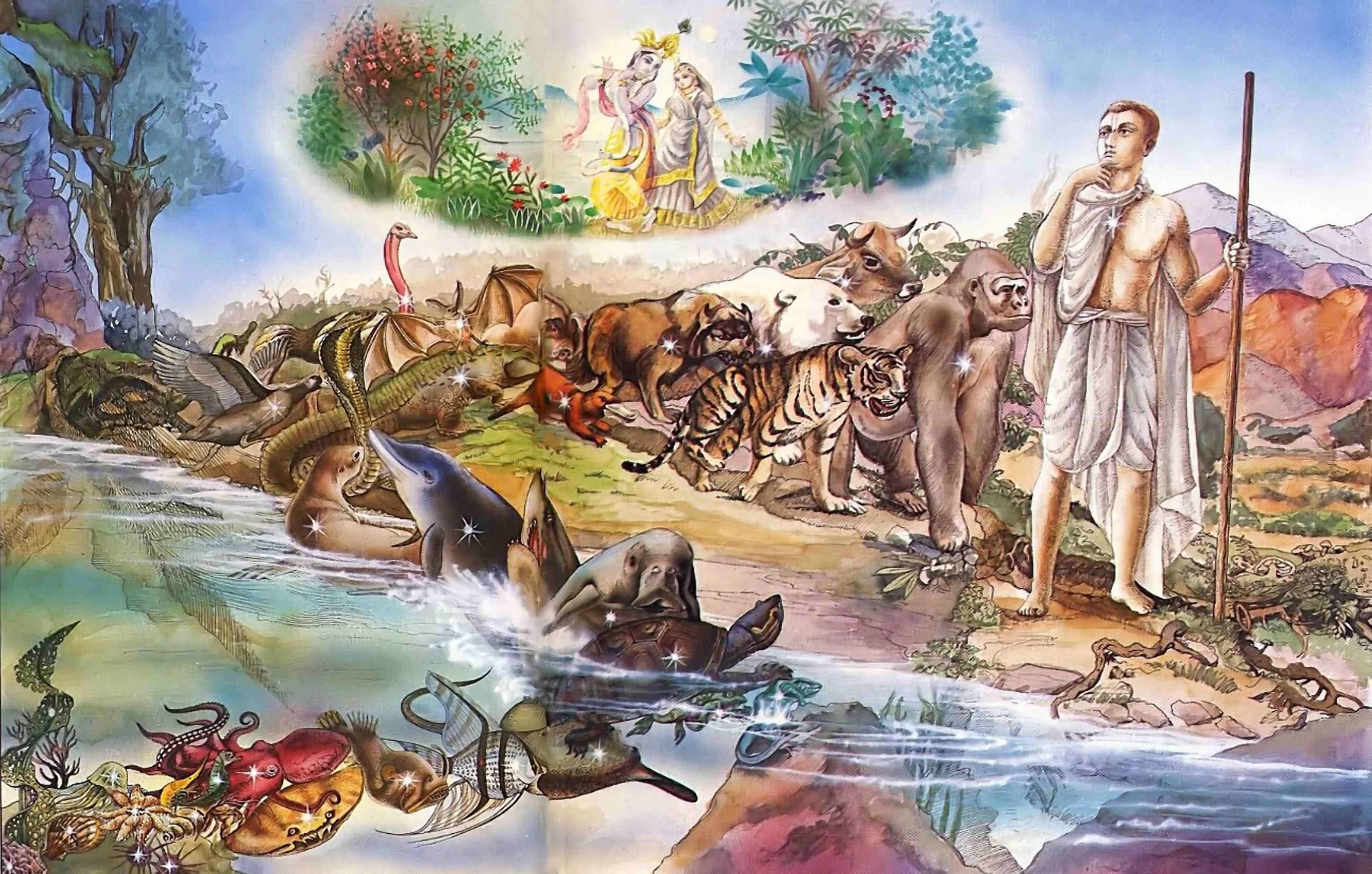
In the realm of ancient Indian philosophy, moksha, or liberation, represents the ultimate goal of human existence. It is the state of freedom from the cycle of reincarnation and suffering that binds all living beings. Achieving moksha requires a sustained and dedicated effort, guided by the principles of dharma, karma, and bhakti.
Dharma: The Path of Righteousness
Dharma, literally meaning “that which upholds,” refers to a set of moral principles and duties that govern right conduct. It encompasses both universal ethical values, such as honesty, compassion, and truthfulness, as well as specific obligations to one’s family, society, and the natural world. Adhering to dharma forms the foundation for a virtuous life that aligns with the cosmic order.
Karma: The Law of Cause and Effect
Karma refers to the universal law of cause and effect that governs all actions, thoughts, and intentions. Every action, regardless of its magnitude, has its corresponding consequences that shape our present and future experiences. By accumulating good karma through acts of kindness, generosity, and service, we create a positive destiny that ultimately brings us closer to moksha.
Bhakti: The Path of Devotion
Bhakti, meaning “devotion,” is a profound spiritual practice that involves surrendering one’s self to a divine being or ideal. It involves cultivating an unwavering love and connection with the divine through prayer, meditation, chanting, and acts of worship. By engaging in bhakti, we align our hearts and minds with the ultimate source of all existence, experiencing a transformative and liberating connection that transcends our ego and limitations.
The Interplay of Dharma, Karma, and Bhakti
The path to moksha is not a linear progression but an intricate tapestry woven together by dharma, karma, and bhakti. These principles are interconnected and mutually reinforcing. By living a virtuous life according to dharma, we accumulate positive karma that facilitates our spiritual evolution. In turn, bhakti provides the fuel and inspiration to sustain our commitment to dharma and karma, leading us towards a state of inner purity and enlightenment.
Practical Steps Towards Moksha
Achieving moksha is a gradual process that requires dedication, persistence, and a deep understanding of the principles. Here are some practical steps to guide your journey:
- Practice Dharma: Integrate righteous principles into your daily actions, thoughts, and speech. Strive for honesty, compassion, and service to others.
- Cultivate Karma: Engage in acts of kindness, generosity, and selflessness. Understand that every action has its consequences and strive to create positive karma.
- Develop Bhakti: Dedicate yourself to a form of spiritual practice that resonates with you. Connect with the divine through prayer, meditation, or devotional acts.
- Seek Wisdom: Study sacred texts, engage with spiritual teachers, and reflect on the nature of reality and the purpose of human existence.
- Practice Self-Inquiry: Regularly introspect and reflect on your motivations, beliefs, and actions. Seek to understand your true nature and cultivate inner purity.
The Journey Within
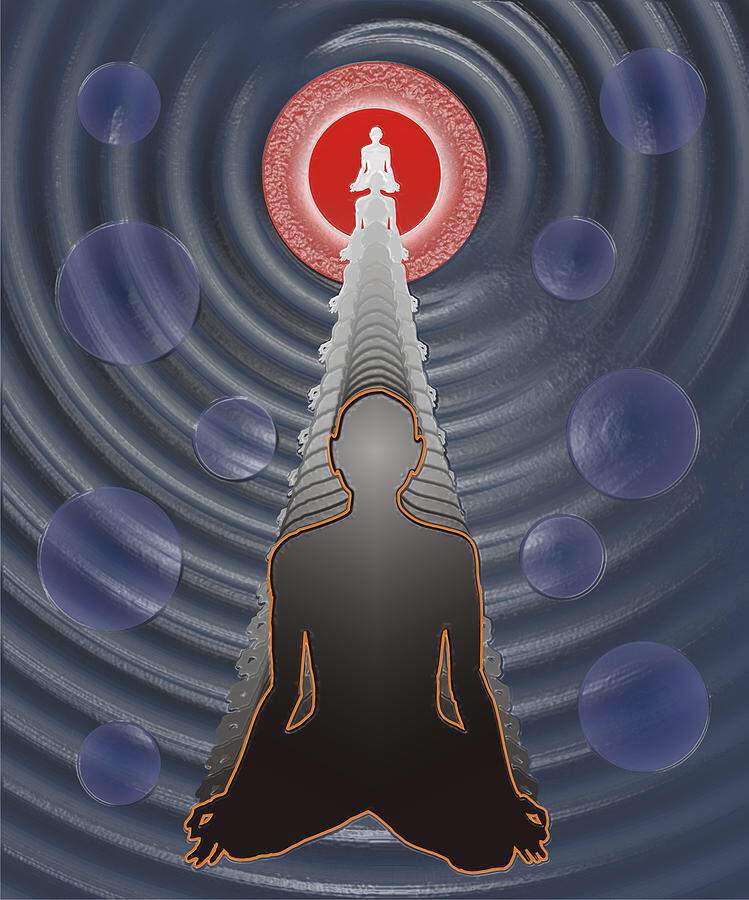
The pursuit of moksha is ultimately an inward journey of self-discovery and transformation. By embracing the principles of dharma, karma, and bhakti, we can transcend our limitations, purify our hearts, and align ourselves with the divine. In doing so, we open ourselves to the possibility of experiencing ultimate freedom and liberation from the cycle of suffering.## How To Achieve Moksha: Following The Path Of Dharma, Karma, And Bhakti
Executive Summary
Moksha, or liberation, is the ultimate goal of Hinduism. It is a state of complete freedom from the cycle of birth and death, and union with the divine. There are many paths to moksha, but the most common are the paths of dharma, karma, and bhakti.
Introduction
Hinduism is a diverse religion with a wide range of beliefs and practices. However, one of the most fundamental beliefs in Hinduism is the concept of moksha, or liberation. Moksha is the ultimate goal of Hinduism, and it is a state of complete freedom from the cycle of birth and death, and union with the divine.
There are many different paths to moksha, but the most common are the paths of dharma, karma, and bhakti. Dharma is the path of righteousness, and it involves following the ethical and moral principles of Hinduism. Karma is the path of action, and it involves performing good deeds and avoiding bad deeds. Bhakti is the path of devotion, and it involves worshipping a personal god or goddess.
In this article, we will explore the paths of dharma, karma, and bhakti, and discuss how they can lead to moksha.
FAQ
- What is moksha?
- Moksha is the ultimate goal of Hinduism, and it is a state of complete freedom from the cycle of birth and death, and union with the divine.
- What are the different paths to moksha?
- The most common paths to moksha are the paths of dharma, karma, and bhakti.
- Which path is right for me?
- The best path for you will depend on your individual personality and spiritual needs.
Dharma
Dharma is the path of righteousness, and it involves following the ethical and moral principles of Hinduism. Dharma is based on the belief that there is a universal law of truth and justice, and that we should all strive to live in accordance with this law.
Some important aspects of dharma include:
- Ahimsa (non-violence)
- Ahimsa is one of the most important principles of dharma. It means that we should refrain from causing harm to any living being, whether it be human, animal, or plant.
- Satya (truthfulness)
- Satya is another important principle of dharma. It means that we should always speak the truth, even when it is difficult.
- Asteya (non-stealing)
- Asteya means that we should not take anything that does not belong to us. This includes material possessions, as well as ideas and concepts.
- Brahmacharya (celibacy)
- Brahmacharya means that we should practice sexual restraint. This does not mean that we should never have sex, but that we should only have sex within the context of a committed relationship.
- Aparigraha (non-attachment)
- Aparigraha means that we should not be attached to material possessions. We should learn to be content with what we have, and not to crave for more.
Karma
Karma is the path of action, and it involves performing good deeds and avoiding bad deeds. Karma is based on the belief that every action has a consequence, and that we will reap what we sow.
Some important aspects of karma include:
- Karma is not fate. We are not predestined to suffer or enjoy the consequences of our actions. We have the free will to choose our own actions, and we are responsible for the consequences of those actions.
- The law of karma is impartial. It does not matter who we are or what our social status is. We all reap the consequences of our actions, whether they be good or bad.
- We can change our karma. If we have performed bad deeds in the past, we can change our karma by performing good deeds in the present.
- We should not be attached to the fruits of our labor. We should perform good deeds without expecting anything in return.
- We should not be discouraged by the consequences of our bad deeds. We should learn from our mistakes and try to do better in the future.
Bhakti
Bhakti is the path of devotion, and it involves worshipping a personal god or goddess. Bhakti is based on the belief that there is a supreme being who is worthy of our love and devotion.
Some important aspects of bhakti include:
- Bhakti is not just about following rituals and traditions. It is about having a personal relationship with God.
- Bhakti can be expressed in many different ways. We can worship God through prayer, meditation, singing, dancing, or simply by living our lives in a way that is pleasing to Him.
- Bhakti is not just for the elite. Anyone can practice bhakti, regardless of their age, social status, or level of education.
- Bhakti can lead to moksha. By developing a deep love and devotion for God, we can break free from the cycle of birth and death, and achieve union with Him.
Conclusion
The paths of dharma, karma, and bhakti are all valid paths to moksha. The best path for you will depend on your individual personality and spiritual needs. However, no matter which path you choose, the most important thing is to have a strong desire for moksha, and to be willing to put in the effort to achieve it.
Keyword Tags
- Moksha
- Dharma
- Karma
- Bhakti
- Hinduism