
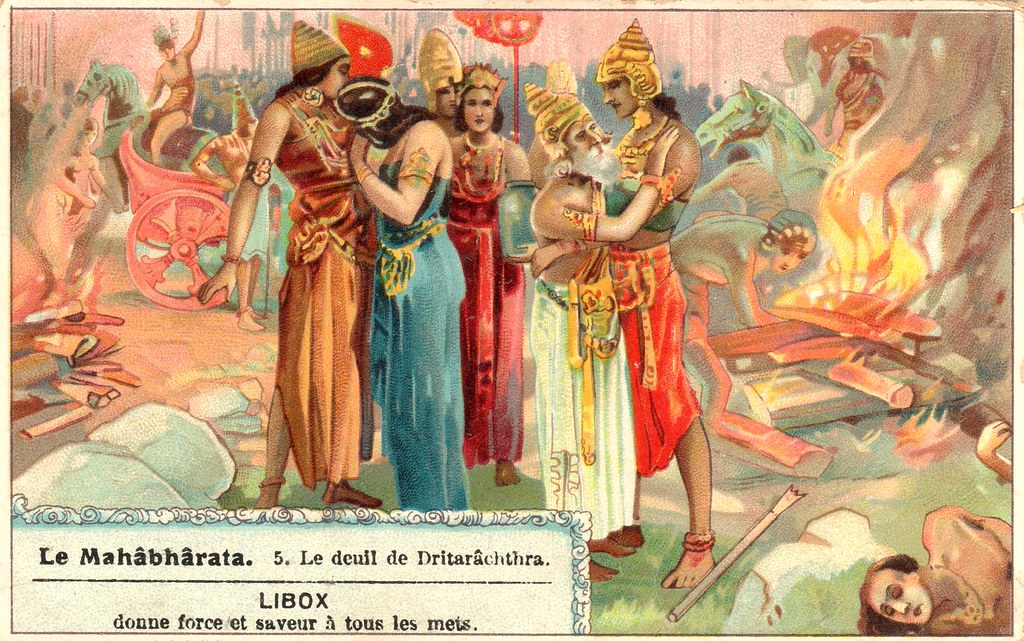
Epic Encounters: Navigating Battles and Moral Dilemmas in Hindu Epics
Hindu epics, such as the Ramayana and Mahabharata, are replete with thrilling battles and complex moral dilemmas that have captivated readers for centuries. These encounters not only showcase the physical prowess and divine interventions of legendary heroes but also provoke profound reflections on the nature of duty, justice, and the consequences of war.
Battles of Epic Proportion:
- The Kurukshetra War (Mahabharata): This monumental clash between the Pandavas and Kauravas unfolds over 18 days and involves a vast array of celestial beings, armies, and legendary warriors. The conflict raises questions about the justifications for war, the nature of loyalty, and the limits of duty.
- The Lanka War (Ramayana): Lord Rama’s quest to rescue his abducted wife, Sita, culminates in a fierce battle against the demon king, Ravana. The encounter explores the themes of righteous vs. unrighteous combat, the power of truth and love, and the consequences of breaking divine laws.
Moral Dilemmas:
- Arjuna’s Reluctance to Fight (Bhagavad Gita): In the Mahabharata, the warrior Arjuna is torn between his duty as a soldier and his compassion for his adversaries. Lord Krishna’s teachings guide him through the moral complexities of war and the importance of fulfilling one’s dharma (righteous duty).
- Sita’s Trial by Fire (Ramayana): After Sita’s rescue from Lanka, she undergoes a trial by fire to prove her purity. This ordeal challenges conventional notions of honor and fidelity, prompting questions about the limits of trust and the societal expectations placed on women.
- The Battle of Dharmakshetra (Mahabharata): The epic concludes with the Pandavas vanquishing the Kauravas but at great cost. The aftermath of the battle raises questions about the aftermath of violence, the cycles of revenge, and the responsibility of victors towards the vanquished.
Life Lessons from Epic Encounters:
The battles and moral dilemmas in Hindu epics serve as enduring lessons for both ancient and modern readers. They remind us of the complexities of human nature, the importance of courage, compassion, and ethical conduct, and the far-reaching consequences of our actions.
By delving into these epic encounters, we can gain insights into:
- The balance between personal duty and universal principles
- The nature of evil and the struggle against injustice
- The importance of devotion, sacrifice, and perseverance
- The ethics of warfare and the psychological effects of violence
- The transformative power of confrontation and the paths towards reconciliation
Through their timeless tales of conflict and moral dilemmas, Hindu epics continue to resonate with readers, offering invaluable lessons for navigating our own battles and ethical quandaries in a just and compassionate world.## Epic Encounters: Exploring The Battles And Moral Dilemmas In Hindu Epics
Executive Summary
Hindu epics, such as the Mahabharata and the Ramayana, are renowned for their captivating battles and the profound moral dilemmas they present. These epics offer valuable insights into ancient Indian philosophy, ethical principles, and the complexities of human nature. This article explores the various conflicts and moral challenges faced by characters in these epics, highlighting their enduring relevance and significance in shaping Indian culture and thought.
Introduction
Hindu epics, particularly the Mahabharata and the Ramayana, are a treasure trove of captivating stories, profound philosophical insights, and enduring moral dilemmas. From the grand battles between armies to the personal struggles of individuals, these epics weave a tapestry of human experience that continues to resonate with readers today. In this article, we delve into the epic encounters and moral quandaries faced by characters in Hindu epics, exploring their significance in shaping Indian culture and thought.
Frequently Asked Questions (FAQs):
- What are the main themes explored in Hindu epics?
- Dharma (righteousness)
- Karma (actions and consequences)
- Bhakti (devotion)
- Sacrifice
- Duty
- How do the battles in Hindu epics reflect ancient Indian warfare?
- Use of chariots, elephants, and diverse weapons
- Emphasis on strategy and military tactics
- Importance of honor and warrior code
- What are the moral dilemmas faced by characters in Hindu epics?
- Conflicts between personal desires and societal obligations
- The tension between loyalty and betrayal
- The nature of justice and revenge
Battles: A Clash of Dharma and Adharma
The epic battles in Hindu epics are not mere physical conflicts; they represent a profound clash between Dharma (righteousness) and Adharma (unrighteousness). The heroes of these battles fight to uphold justice, truth, and morality, while the villains embody evil, deception, and tyranny.
- Mahabharata: Kurukshetra War – The greatest battle in Hindu mythology, pitting the Pandavas (heroes) against the Kauravas (villains).
- Ramayana: Lanka War – A battle between Lord Rama and the demon king Ravana, symbolizing the triumph of good over evil.
- Battle of Ten Kings – A clash between the Pandavas and a confederacy of kings, showcasing the importance of unity and strategy.
- Battle of Virata – A dramatic battle in which the Pandavas, disguised as servants, fight to protect their identity and kingdom.
- Battle of Kurukshetra: Bhagavad Gita – A philosophical discourse between Lord Krishna and Arjuna on the nature of duty, non-violence, and self-realization.
Moral Dilemmas: The Challenges of Human Conscience
Hindu epics present a wealth of moral dilemmas that explore the complexities of human nature and the challenges of ethical decision-making. These dilemmas reveal the inner conflicts and motivations of characters, leading to profound insights into the nature of right and wrong.
- Duty vs. Personal Desire: Characters face conflicts between their obligations to society, family, or rulers and their personal desires or ambitions.
- Loyalty vs. Betrayal: The epics explore the moral complexities of loyalty and betrayal, testing the limits of trust and friendship.
- Justice vs. Revenge: The pursuit of justice often raises questions about the moral limits of punishment and the nature of forgiveness.
- Non-violence vs. Violence: The epics grapple with the ethical implications of violence and the search for non-violent solutions to conflict.
- The Nature of Self: Characters struggle with questions of identity, purpose, and the relationship between the individual and the divine.
Conclusion
Hindu epics, with their epic battles and profound moral dilemmas, have left an enduring legacy in Indian culture. These epics provide timeless lessons on the complexities of human nature, the importance of ethical decision-making, and the pursuit of Dharma. They continue to inspire and guide readers of all ages, offering a rich tapestry of stories, wisdom, and moral reflections that shape our understanding of the world and our place within it.
Keyword Tags:
- Hindu Epics
- Battles
- Moral Dilemmas
- Mahabharata
- Ramayana