
Embracing Impermanence: Lessons From The Hindu Concept Of Time

In the vast tapestry of human experience, the concept of time weaves an intricate thread, shaping our perception of existence and dictating our relationship with the world. Across cultures and centuries, countless philosophies have grappled with the enigmatic nature of time, offering diverse perspectives and profound insights. Among these, the Hindu concept of time stands out for its unique and comprehensive approach, providing a transformative framework for embracing impermanence and cultivating a deep understanding of our place in the cosmic scheme of things.
The Cyclic Nature of Reality
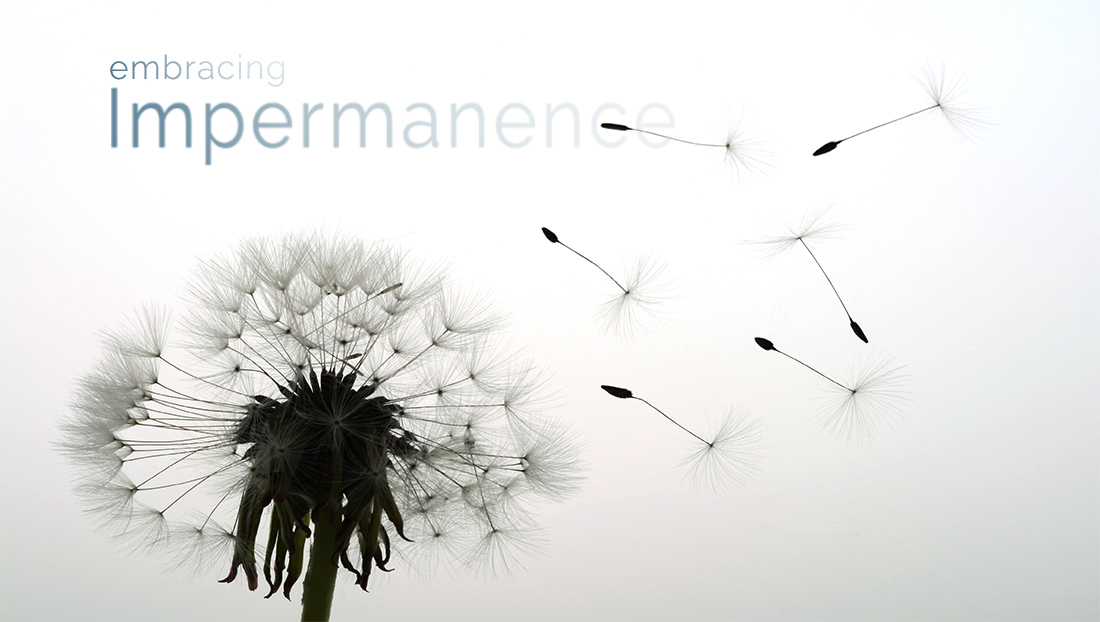
At the heart of the Hindu conception of time lies the notion of cyclical recurrence. Unlike the Western linear view of time, which envisions a unidirectional progression from past to present to future, the Hindu worldview posits a cyclical pattern of creation, preservation, and destruction. This cyclical nature is embodied in the concept of Kalachakra, the “Wheel of Time,” which symbolizes the endless cycle of cosmic manifestation.
The Kalachakra is divided into four main yugas, or ages: the Satya Yuga, Treta Yuga, Dvapara Yuga, and Kali Yuga. Each yuga is characterized by a distinct moral, social, and spiritual climate. The Satya Yuga is the golden age, a time of purity, harmony, and abundance. The subsequent yugas witness a gradual decline in these qualities, leading to the Kali Yuga, the present age, which is marked by strife, materialism, and spiritual darkness.
This cyclical understanding of time challenges the Western notion of linear progress and invites us to consider the interconnectedness of all things. It suggests that growth and decline are inherent aspects of existence, and that every moment holds within it the potential for both creation and destruction. By embracing the cyclic nature of reality, we can develop a more balanced and resilient perspective on life, recognizing that even in times of adversity, there is always the potential for renewal and transformation.
The Illusion of Permanence
One of the most profound lessons imparted by the Hindu concept of time is the illusion of permanence. The Buddhist philosopher Nagarjuna famously asserted that “all conditioned things are impermanent,” and this insight lies at the core of Hindu thought. Nothing in the material world is truly permanent or unchanging. All things, from our physical bodies to our relationships to our possessions, are subject to the relentless forces of time and change.
Recognizing the impermanence of all things can be both sobering and liberating. It can lead us to question our attachments to material possessions and our desire for control over external circumstances. By accepting the transience of our existence, we can cultivate a sense of detachment and learn to live in the present moment, appreciating the beauty and fragility of all that surrounds us.
The Dance of Shiva
In Hindu mythology, the god Shiva is often depicted as the Lord of Dance, performing a cosmic dance known as the Tandava. This dance represents the rhythm of creation, preservation, and destruction that governs the universe. Shiva’s dance is a powerful metaphor for the impermanence of all things and the futility of clinging to illusions of permanence.
Through the Tandava, Shiva both creates and destroys, embodying the ceaseless cycle of change that characterizes existence. His dance reminds us that even the most enduring structures and institutions are ultimately destined to dissolve and return to the cosmic void. By contemplating the dance of Shiva, we can cultivate a deeper understanding of the impermanence of all things and learn to navigate the ever-changing currents of life with greater equanimity and grace.
Embracing Impermanence
Embracing impermanence is not about cultivating a sense of nihilism or despair. Rather, it is about developing a deep and transformative relationship with the fleeting nature of existence. By recognizing the impermanence of all things, we can free ourselves from the grip of attachment and learn to live in the present moment.
To truly embrace impermanence, we must cultivate a deep sense of gratitude for the preciousness of life. Each moment is a gift, an opportunity to experience the beauty and wonder of the world. By cherishing the present moment and living each day to the fullest, we can transcend the limitations of our ego-driven desires and find true freedom and fulfillment.
Conclusion
The Hindu concept of time offers a profound and transformative framework for understanding the nature of existence. Its cyclical nature reminds us of the interconnectedness of all things and the futility of clinging to illusions of permanence. The dance of Shiva teaches us to embrace the rhythm of creation and destruction that governs the universe. And the recognition of impermanence can lead us to cultivate a deep sense of gratitude for the preciousness of life.
By embracing impermanence, we can liberate ourselves from the grip of attachment, live in the present moment, and find true freedom and fulfillment. In the words of the Bhagavad Gita, “The one who sees inaction in action, and action in inaction, is wise among humans; he is a yogi, who has performed all actions.” By aligning ourselves with the cosmic rhythm of time and embracing the dance of impermanence, we can transcend the limitations of our mortal existence and experience the boundless joy and liberation that lies beyond the illusion of permanence.## Embracing Impermanence: Lessons From The Hindu Concept Of Time
Executive Summary
The concept of time in Hinduism is profound and multifaceted. Unlike Western perspectives that emphasize linearity and permanence, Hinduism embraces impermanence as a fundamental aspect of reality. This article explores the concept of Maya, the illusory nature of the world, and its implications for our lives. We examine key Hindu teachings on time and offer practical lessons for embracing impermanence and living a more fulfilling life.
Introduction
In the tapestry of human cultures, time has been woven into our stories, shaping our beliefs and guiding our actions. Yet, different cultures perceive time in unique ways. Hinduism, one of the world’s oldest and most influential religions, offers a transformative perspective on time that challenges our conventional understandings. By embracing the Hindu concept of impermanence, we can unlock a deeper understanding of ourselves and our place in the cosmos.
FAQs
- What is the Hindu concept of time?
Hinduism views time as cyclical rather than linear. It is believed to move in epochs, each with its distinct characteristics. The present epoch is called Kali Yuga, a time of decline and instability. - What is Maya?
Maya is the Sanskrit word for “illusion.” It refers to the veil of perception that obscures the true nature of reality. Maya creates the illusion of a permanent, separate self and a world that is fixed and unchanging. - How can we embrace impermanence?
Embracing impermanence is not about resigning ourselves to a nihilistic worldview. Rather, it is about recognizing the transient nature of all things and finding meaning in the present moment.
Subtopics
1. The Nature of Maya
- Maya veils our true nature. It creates the illusion of a permanent, separate self, when in reality, we are interconnected with all living beings.
- Maya distorts our perception of the world. It makes us believe that the material world is solid and unchanging, while it is constantly in flux.
- Maya perpetuates suffering. Our attachment to the illusion of permanence leads to disappointment and pain when things inevitably change.
2. Time in the Hindu Cycle
- Time is cyclical. It moves in epochs, each with its own characteristics. The present epoch, Kali Yuga, is a time of decline and instability.
- The epochs are linked to the gunas, or qualities of nature. Sattva (purity) dominates in the Golden Age, while tamas (ignorance) prevails in the Iron Age.
- Understanding the cyclical nature of time helps us to accept the ups and downs of life and cultivate a sense of detachment.
3. Maya in the Bhagavad Gita
- The Bhagavad Gita is a sacred Hindu text that teaches the importance of detachment from Maya.
- Lord Krishna urges us to “act without attachment to the fruits of action.”
- This means performing our duties without being overly attached to the outcome, recognizing that everything is subject to change.
4. Embracing Change and Impermanence
- Recognize the impermanent nature of all things. This includes our bodies, possessions, and relationships.
- Practice non-attachment. Let go of the need to control or cling to things.
- Focus on the present moment. Cultivate a state of mindfulness and savor the beauty of each moment.
5. The Benefits of Embracing Impermanence
- Reduced suffering. Attachment to permanence is a major source of suffering.
- Increased resilience. Embracing impermanence makes us more adaptable to change and adversity.
- Enhanced creativity. Seeing the world as constantly changing opens us to new perspectives and possibilities.
Conclusion
The Hindu concept of impermanence challenges our deeply ingrained beliefs about the nature of reality and time. By embracing Maya and the cyclical nature of existence, we can free ourselves from the illusion of permanence and cultivate a deeper understanding of ourselves and our place in the universe. This profound teaching empowers us to live more fully in the present moment, to detach from the distractions of the material world, and to find meaning and purpose in the midst of change. As we embrace impermanence, we open ourselves to the transformative power of existence and the boundless potential that lies within.
Keyword Tags:
- Hinduism
- Impermanence
- Maya
- Cyclical Time
- Embracing Change