Beyond Good and Evil: Understanding the Lessons from Lord Vishnu’s Avatars
In Hinduism, Lord Vishnu is revered as the preserver and protector of the universe. He is often depicted as a serene deity, residing in the celestial abode of Vaikuntha. However, beyond his benevolent facade, Lord Vishnu’s avatars, or incarnations, embody a complex interplay of good and evil, offering profound lessons for human existence.
1. Matsya Avatar: The Fish
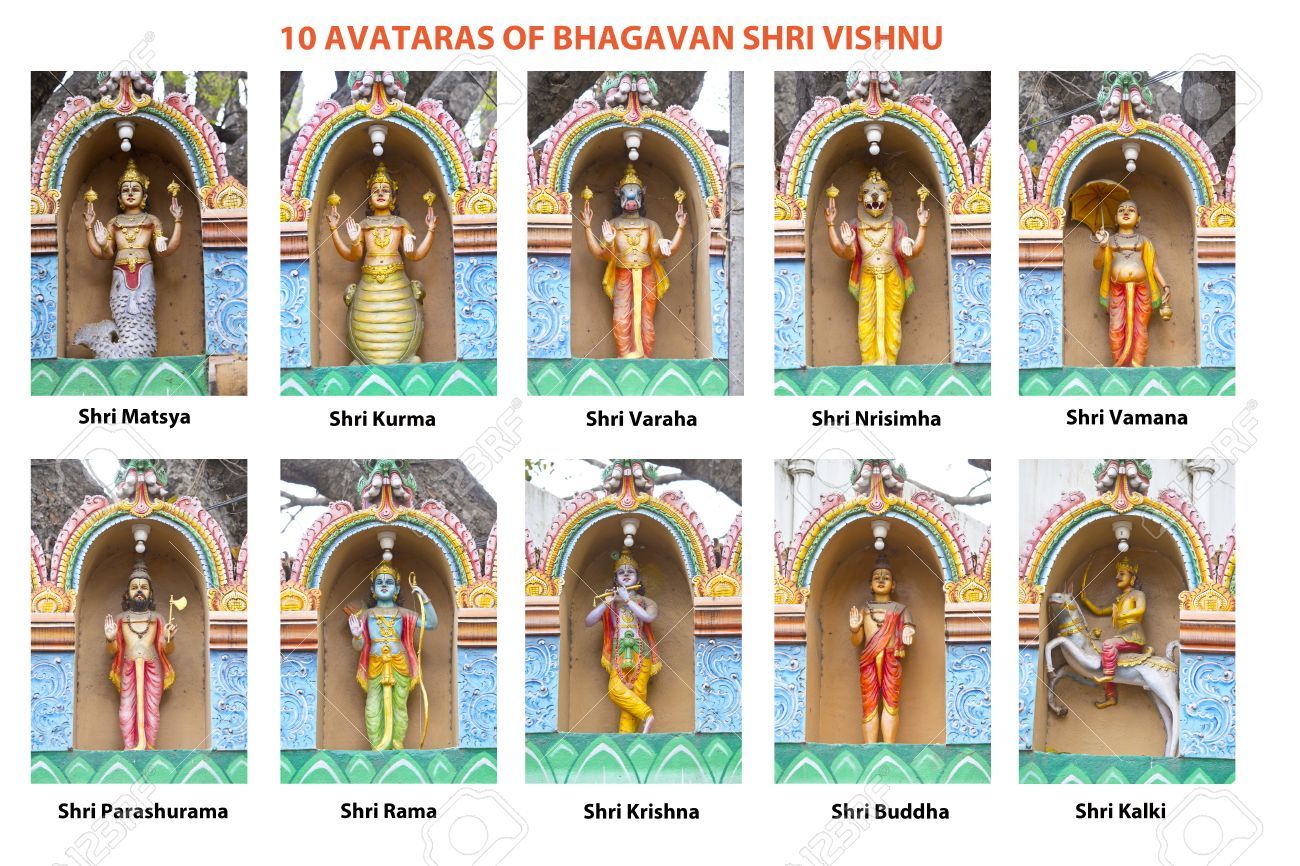
Matsya Avatar emerged during a time of global deluge. As the Earth submerged beneath the waters, a wise fish approached Manu, the progenitor of humanity. The fish warned Manu of the impending catastrophe and instructed him to build a massive boat to save himself and his family. Matsya Avatar represents the preservation of life amidst adversity, the ability to adapt and survive in the face of overwhelming odds.
2. Kurma Avatar: The Tortoise
Kurma Avatar appeared when the devas (celestial beings) and asuras (demons) churned the cosmic ocean to obtain the elixir of immortality. Lord Vishnu took the form of a colossal tortoise and served as the pivotal support for Mount Mandara, the churning rod. Kurma Avatar symbolizes steadfastness and stability, demonstrating the importance of grounding ourselves in the face of life’s challenges.
3. Varaha Avatar: The Boar
Varaha Avatar emerged to rescue the Earth from the clutches of Hiranyaksha, a demon who had dragged it down to the depths of the cosmic ocean. Lord Vishnu transformed into a mighty boar and battled Hiranyaksha, retrieving the Earth and restoring balance to the cosmos. Varaha Avatar exemplifies courage, determination, and the triumph of good over evil.
4. Narasimha Avatar: The Man-Lion
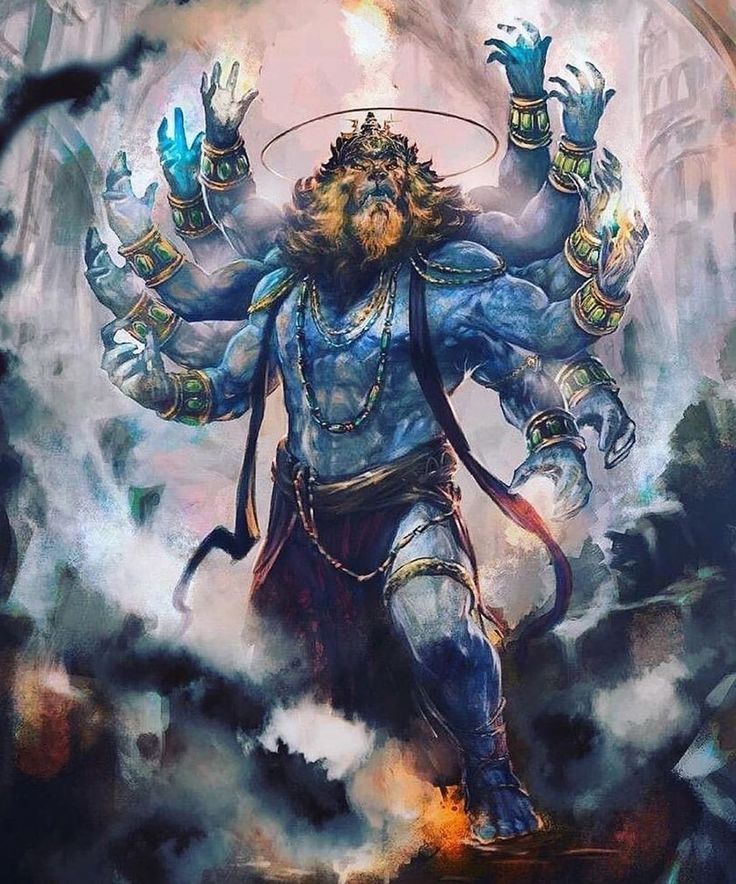
Narasimha Avatar was born out of Lord Vishnu’s anger at Hiranyakashipu, Hiranyaksha’s brother. Hiranyakashipu had become invincible due to a boon from Lord Brahma, making him immune to death by any heavenly or earthly weapon, at any time of day or night. Narasimha Avatar, a fearsome man-lion, emerged at twilight, which was neither day nor night, and killed Hiranyakashipu with his claws. Narasimha Avatar teaches us to confront inner demons, harness our inner strength, and transcend the limitations imposed by others.
5. Vamana Avatar: The Dwarf
Vamana Avatar manifested as a young Brahmin dwarf to humble King Bali, a powerful and benevolent ruler. Bali promised Vamana three paces of land to fulfill his request. However, Vamana expanded his form to cosmic proportions, claiming the entire Earth and sky with his first two paces. Bali offered his own head for the third pace, demonstrating the true meaning of humility and selfless devotion. Vamana Avatar reminds us of the ephemeral nature of material possessions and the importance of cherishing the present moment.
6. Parashurama Avatar: The Fierce Sage
Parashurama Avatar incarnated to rid the world of the oppressive kshatriya (warrior) class. He was a fierce and relentless warrior who annihilated the kshatriyas 21 times. Parashurama Avatar represents the necessity of purging evil from society, balancing the scales of justice, and fighting for what is right.
7. Rama Avatar: The Ideal King
Rama Avatar is considered the most popular and revered incarnation of Lord Vishnu. Rama was an exemplary king, renowned for his righteousness, compassion, and unwavering determination. His epic battle with Ravana, the demon king of Lanka, who had abducted his wife Sita, symbolizes the triumph of good over evil and the establishment of dharma (righteousness). Rama Avatar teaches us the importance of ethical conduct, loyalty, and the pursuit of justice.
8. Krishna Avatar: The Cosmic Dancer
Krishna Avatar is often depicted as the most enigmatic and multifaceted of Lord Vishnu’s incarnations. He was a philosopher, a statesman, a warrior, and a divine lover. Krishna’s teachings, recorded in the Bhagavad Gita, provide profound insights into the nature of reality, the purpose of life, and the path to liberation. Krishna Avatar represents the embodiment of cosmic consciousness, love, and wisdom.
9. Kalki Avatar: The End-Time Conqueror
Kalki Avatar is prophesied to appear at the end of the current age, known as Kali Yuga. He will ride a white horse and wield a blazing sword to vanquish evil and establish a new golden age. Kalki Avatar signifies the hope for the ultimate triumph of good over evil and the renewal of creation.
Conclusion
Lord Vishnu’s avatars are not mere mythological tales but symbolic representations of the multifaceted nature of human existence. They embody the eternal struggle between good and evil, the challenges we face, and the lessons we can learn to overcome them. By understanding and reflecting on these avatars, we can strive to live more virtuous and fulfilling lives, transcending the duality of good and evil to embrace the wisdom and compassion that lies within us all.## Beyond Good and Evil: Understanding the Lessons from Lord Vishnu’s Avatars
Executive Summary
Lord Vishnu’s avatars, incarnations of divine presence, embody profound lessons that transcend moral binaries and offer a multifaceted perspective on the nature of existence. This article explores the transformative narratives of Rama, Krishna, Narasimha, Varaha, and Buddha, revealing their universal truths and timeless relevance for navigating the complexities of human experience. By embracing the wisdom of Vishnu’s avatars, we can cultivate empathy, compassion, and a deeper understanding of our place in the cosmic tapestry.
Introduction
In the intricate tapestry of Hindu mythology, Lord Vishnu stands as a central figure, renowned for his divine interventions in human affairs through his avatars. These incarnations, each embodying a distinct aspect of Vishnu’s essence, serve as profound guides, offering lessons that transcend temporal boundaries and resonate deeply with the human condition.
FAQs
Q: What is the significance of Vishnu’s avatars?
A: Vishnu’s avatars represent his divine presence on Earth, embodying specific qualities and powers to restore cosmic balance and guide humanity.
Q: How many avatars of Vishnu are there?
A: Traditionally, there are ten primary avatars of Vishnu, with Rama, Krishna, Narasimha, Varaha, and Buddha among the most prominent.
Q: What is the purpose of Lord Vishnu’s avatars?
A: Vishnu manifests as avatars to protect the virtuous, vanquish evil, and re-establish cosmic order when the world falls out of balance.
Subtopics
Rama: Embodiment of Righteousness
- Adherence to Dharma: Rama’s unwavering commitment to righteousness, even in the face of personal sacrifice, exemplifies the importance of ethical conduct.
- Strength and Courage: His heroic feats in vanquishing the demon Ravana showcase the power of courage and determination in overcoming adversity.
- Loyalty and Devotion: Rama’s unwavering loyalty to his wife, Sita, and his unwavering devotion to his father embody the virtues of fidelity and filial duty.
- Humility and Forgiveness: Despite his divine nature, Rama remained humble and forgiving, even towards those who wronged him.
Krishna: Divine Love and Play
- The Playful Avatar: Krishna’s mischievous pranks and playful demeanor reveal the divine nature as being beyond human comprehension.
- The Allure of Love: His captivating presence and irresistible charm exemplify the transformative power of divine love.
- The Lord of Karma: Krishna’s teachings about karma and reincarnation emphasize the consequences of our actions and the importance of mindful living.
- The Cosmic Dancer: Krishna’s cosmic dance represents the cyclical nature of existence and the interconnectedness of all beings.
Narasimha: The Ferocious Protector
- Preservation of Dharma: Narasimha’s fierce appearance and unwavering protection of the virtuous highlight the importance of defending righteousness.
- Divine Wrath: His wrath towards the evil king Hiranyakashipu showcases the destructive power of divine justice when the balance of dharma is threatened.
- Protection of the Innocent: Narasimha’s swift intervention in saving the young Prahlada embodies his role as a guardian of the innocent.
- Avatara of Time: Narasimha’s half-human, half-lion form represents the dual nature of time, both constructive and destructive.
Varaha: The Cosmic Boar
- Rescuer of the Earth: Varaha’s act of lifting the Earth from the cosmic ocean symbolizes the restoration of balance and order.
- The Earthly Avatar: Unlike other avatars, Varaha remained on Earth for centuries, highlighting the significance of earthly life.
- The Remover of Sins: His presence is believed to purify the Earth and provide salvation to those who worship him.
- Avatara of Knowledge: Varaha’s association with the Vedas represents his role as a dispenser of sacred knowledge.
Buddha: The Enlightened Avatar
- The Path to Nirvana: Buddha’s teachings on non-attachment, compassion, and liberation offer a path to spiritual awakening and liberation from suffering.
- The Embodiment of Compassion: Buddha’s boundless love and compassion for all beings exemplify the true nature of enlightenment.
- The Seeker of Truth: His relentless quest for knowledge and enlightenment highlights the importance of self-inquiry and spiritual exploration.
- The Transcendence of Duality: Buddha’s teachings about the nature of duality and the interconnectedness of all things challenge our conventional perceptions of good and evil.
Conclusion
Lord Vishnu’s avatars are not mere mythological figures but embodiments of universal truths and profound lessons that guide us through the labyrinth of life. By embracing the wisdom of Rama, Krishna, Narasimha, Varaha, and Buddha, we can cultivate a deeper understanding of our place in the cosmos, learn to navigate the complexities of human nature, and transcend the limitations of good and evil. Their stories remind us that the journey of life is not always about achieving perfection but about embracing our imperfections, embodying compassion, and seeking the light within the darkness.
Keyword Tags
- Lord Vishnu
- Vishnu Avatars
- Rama
- Krishna
- Narasimha
- Varaha
- Buddha
- Dharma
- Karma
- Enlightenment