The Eternal Protector: Lord Vishnu’s Avatars and Their Relevance Today
In the vast and enigmatic tapestry of Hindu mythology, Lord Vishnu stands as the Supreme Being, the Preserver and Protector of the universe. Throughout history, he has manifested in numerous avatars, each embodying a specific purpose and playing a pivotal role in shaping the destiny of humankind.
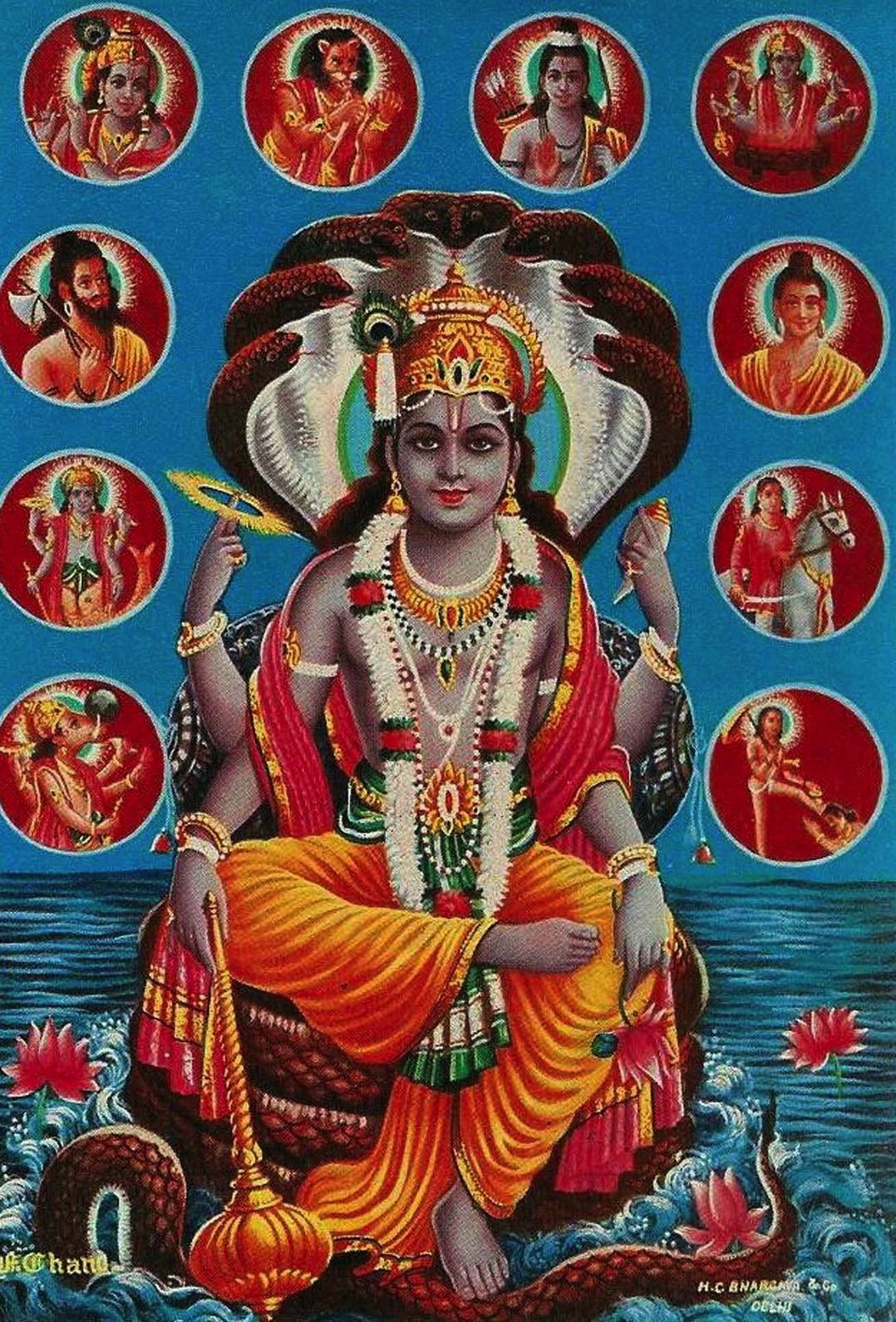
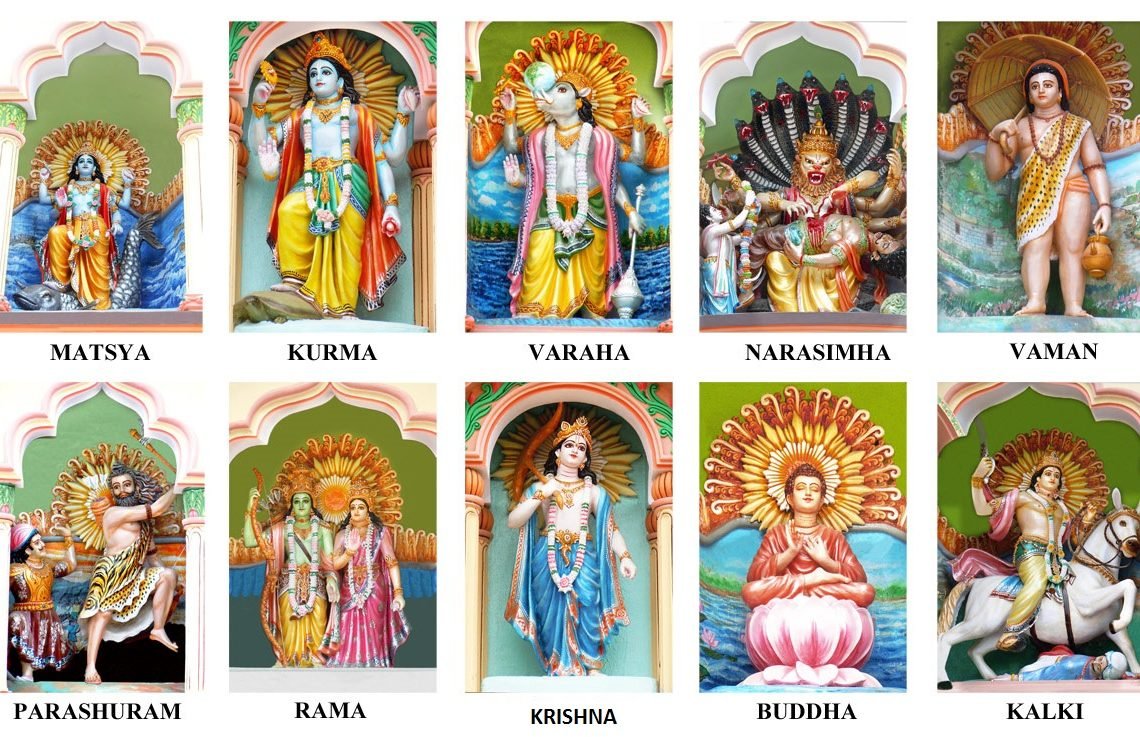
The Ten Principal Avatars of Vishnu
-
Matsya: The Fish Avatar – Appearing at the dawn of creation, Matsya rescued Manu, the progenitor of mankind, and the seven sages from a cataclysmic flood, symbolizing the preservation of life amidst chaos.
-
Kurma: The Tortoise Avatar – Supporting Mount Mandara during the churning of the cosmic ocean, Kurma helped retrieve the nectar of immortality, representing stability and endurance in times of adversity.
-
Varaha: The Boar Avatar – Slaying the demon Hiranyaksha, Varaha lifted the earth from the depths of the ocean, demonstrating the power of the divine to overcome evil and restore order.
-
Narasimha: The Man-Lion Avatar – Embodying both compassion and fierce strength, Narasimha vanquished the demon Hiranyakashipu, protecting his devotees from oppression.
-
Vamana: The Dwarf Avatar – By obtaining three paces of land from King Bali, Vamana placed the universe under Vishnu’s dominion, symbolizing the importance of humility and sacrifice.
-
Parashurama: The Warrior Avatar – A Brahmin warrior, Parashurama eradicated the oppressive Kshatriya kings, upholding the principles of justice and righteousness.
-
Rama: The Hero Avatar – The central figure of the epic Ramayana, Rama embodied ideal manhood, courageously vanquishing the demon Ravana and restoring balance to the world.
-
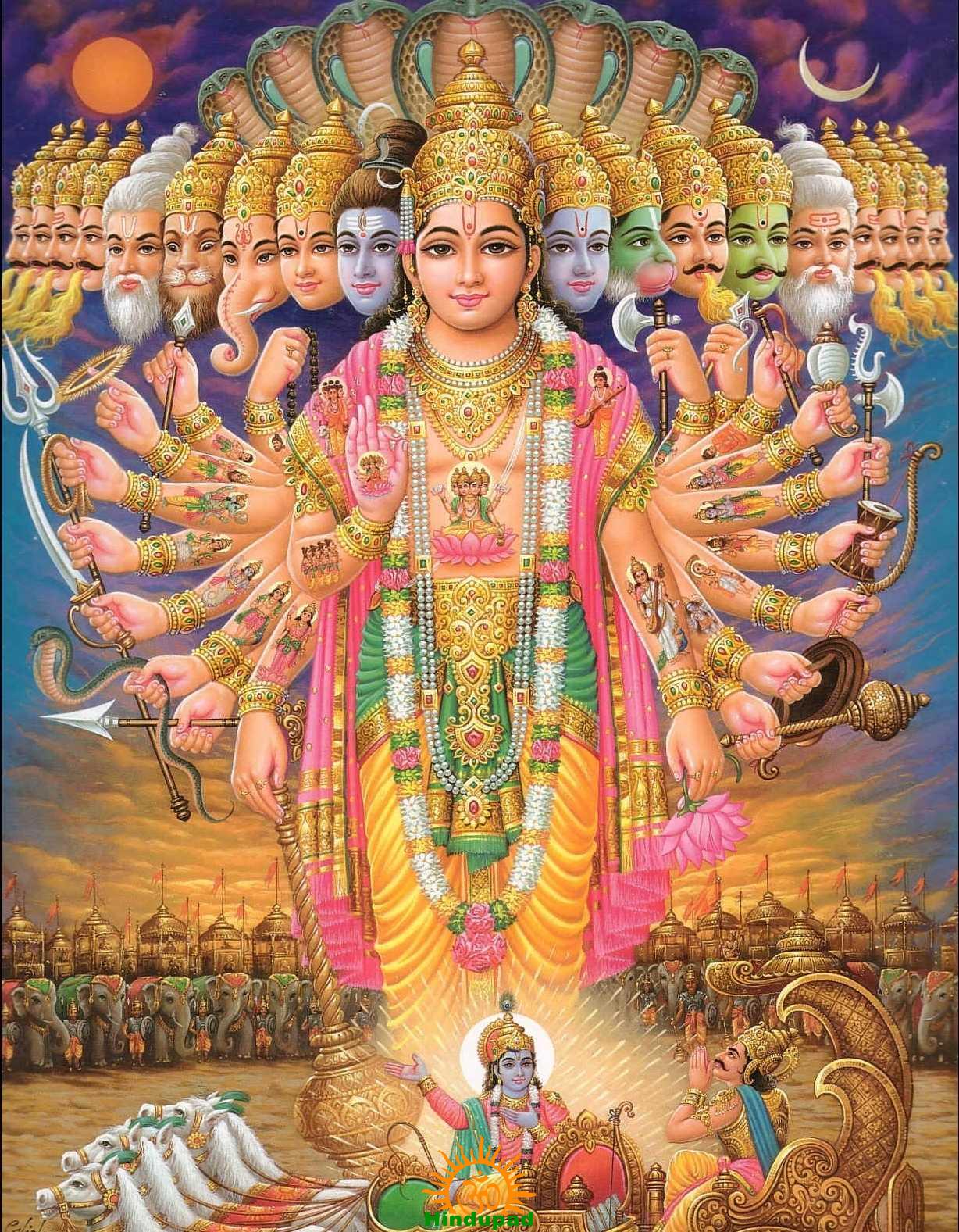
Krishna: The Divine Avatar – The most popular avatar, Krishna played a multifaceted role as a charioteer, lover, teacher, and divine manifestation, spreading wisdom and love while guiding humanity towards enlightenment.
-
Buddha: The Enlightened Avatar – Appearing in the guise of the founder of Buddhism, Buddha emphasized the importance of non-violence, compassion, and inner peace.
-
Kalki: The Future Avatar – Yet to manifest, Kalki is believed to appear at the end of the current cosmic cycle to vanquish evil and usher in a new golden age.
Relevance of Vishnu’s Avatars Today
In the modern era, Lord Vishnu’s avatars remain profoundly relevant to our lives. They embody timeless values and provide guidance in navigating the challenges we face:
- Matsya: Teaches us the importance of resilience and hope in times of adversity.
- Kurma: Reminds us of the power of stability and perseverance in achieving our goals.
- Varaha: Encourages us to overcome obstacles with determination and strength.
- Narasimha: Inspires us to stand up against injustice and evil, even when it takes a fierce form.
- Vamana: Demonstrates the significance of humility and the value of sacrificing personal desires for the greater good.
- Parashurama: Reminds us to uphold righteousness and protect the innocent.
- Rama: Serves as a role model for ethical leadership and the courage to stand for what is right.
- Krishna: Teaches us the importance of love, wisdom, and selfless action.
- Buddha: Emphasizes the power of compassion and non-violence in creating a harmonious world.
- Kalki: Gives us hope for a better future and encourages us to strive towards a more just and peaceful society.
By understanding and embracing the lessons embodied in Lord Vishnu’s avatars, we can navigate the complexities of modern life, find purpose and meaning, and ultimately contribute to the betterment of humanity.## The Eternal Protector: Lord Vishnu’s Avatars and Their Relevance Today
Executive Summary
Lord Vishnu, the preserver and protector in the Hindu trinity, has manifested in various avatars throughout the ages. These avatars embody divine attributes and serve specific purposes, addressing humanity’s challenges and guiding us towards enlightenment. Understanding the relevance of Vishnu’s avatars in today’s world empowers us to navigate life’s complexities with wisdom and resilience.
Introduction
In the vast tapestry of Hindu mythology, Lord Vishnu stands as the embodiment of preservation, sustenance, and protection. His numerous avatars, each incarnating a unique aspect of his divine nature, have played pivotal roles in safeguarding the cosmic order and guiding humanity through times of adversity. By delving into the stories, symbolism, and significance of these avatars, we can gain invaluable insights into the nature of dharma, the pursuit of liberation, and the enduring presence of the divine in our lives.
FAQ
1. How many avatars of Vishnu are there?
The number of Vishnu’s avatars varies depending on different texts and traditions, but the most common number is ten, known as the Dashavatara.
2. What is the purpose of Vishnu’s avatars?
Vishnu’s avatars descend to Earth to restore cosmic balance, protect the righteous, and vanquish evil forces that threaten the world’s well-being.
3. Are Vishnu’s avatars still relevant today?
Absolutely! The teachings and principles embodied by Vishnu’s avatars hold immense relevance in contemporary society, offering guidance on how to navigate challenges, cultivate virtues, and realize our spiritual potential.
The Ten Avatars of Vishnu
Matsya: The Fish
- Embodies: Preservation during cosmic dissolution
- Protects: Creation from a devastating flood
- Teaches: The importance of faith, hope, and survival instincts
Kurma: The Tortoise
- Embodies: Support and stability
- Churns the Ocean of Milk: Providing the gods with nectar of immortality
- Teaches: The value of patience, perseverance, and cooperation
Varaha: The Boar
- Embodies: Strength and determination
- Rescues the Earth from the clutches of a demon
- Teaches: The importance of courage, resilience, and overcoming obstacles
Narasimha: The Man-Lion
- Embodies: Wrath and protection
- Destroys the demon Hiranyakashipu
- Teaches: The triumph of good over evil and the fierce nature of divine justice
Vamana: The Dwarf
- Embodies: Humility and deceit
- Deceives the demon King Mahabali to restore the gods’ power
- Teaches: The power of humility, the importance of strategy, and the limitations of material wealth
Parashurama: The Brahmin Warrior
- Embodies: Protection of the innocent
- Destroys evil kings and restores dharma
- Teaches: The duty of resisting injustice, the importance of education, and the futility of violence
Rama: The Perfect King
- Embodies: Ideal leadership and righteousness
- Rescues his wife Sita from the demon King Ravana
- Teaches: The qualities of a just ruler, the importance of truth, and the sanctity of marriage
Krishna: The Divine Statesman
- Embodies: Cosmic consciousness and divine play
- Teaches the Bhagavad Gita: Guiding humanity on the path to liberation
- Teaches: The nature of reality, the importance of selfless action, and the power of devotion
Buddha: The Enlightened One
- Embodies: Wisdom and compassion
- Advocates for non-violence and spiritual liberation
- Teaches: The Four Noble Truths, the path to Nirvana, and the importance of detachment
Kalki: The Future Redeemer
- Embodies: Hope and the ultimate restoration of dharma
- Will appear at the end of the current age to vanquish evil and establish a golden age
- Teaches: The inevitable victory of good, the importance of hope, and the cyclical nature of history
Conclusion
Lord Vishnu’s avatars continue to inspire and guide us today, providing solace in times of adversity, reminding us of our inner strength, and illuminating the path towards enlightenment. By embracing the teachings and principles embodied by these divine manifestations, we can navigate life’s complexities with greater wisdom, resilience, and a profound understanding of our connection to the cosmic order.
Keyword Tags
- Vishnu
- Avatars
- Hinduism
- Dharma
- Spiritual Guidance