
Walking the Sacred Path: A Journey to the Mountain Shrines of Hinduism
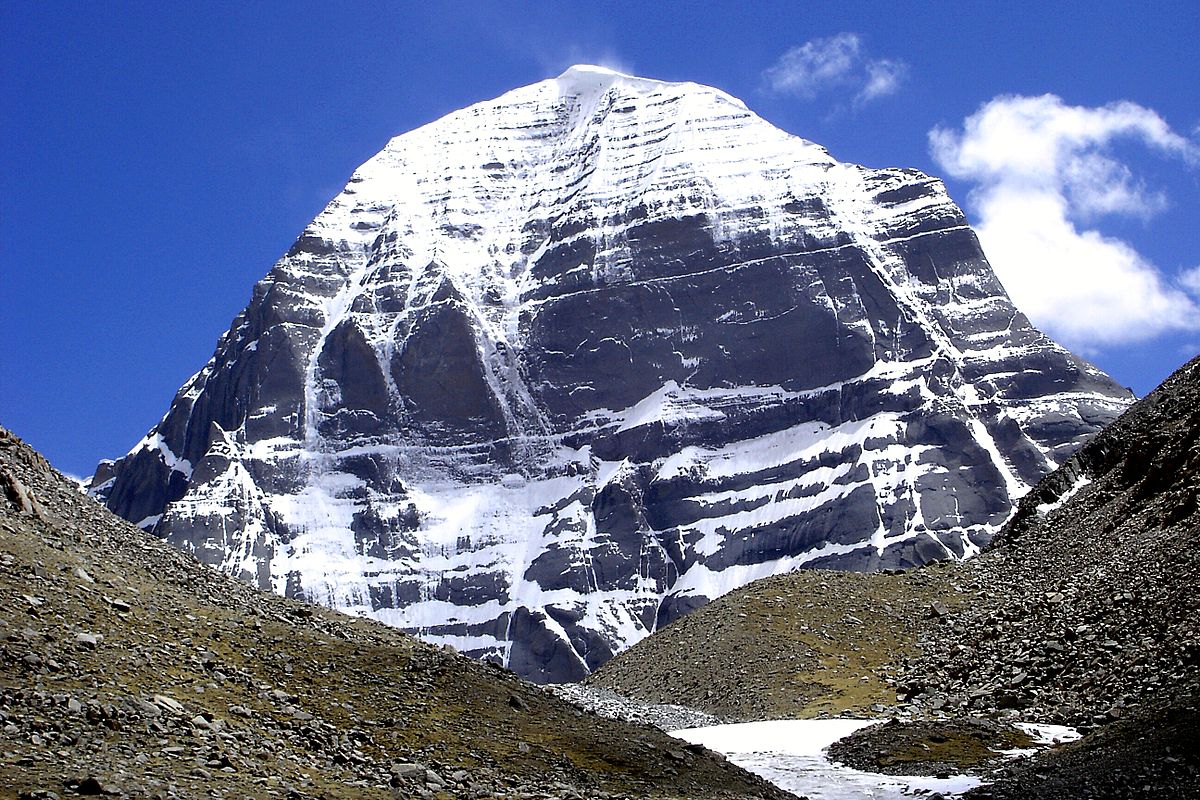
Hinduism is a religion steeped in tradition and pilgrimage, and one of the most sacred journeys is the trek to the mountain shrines of the Himalayas. These shrines are located in some of the most remote and beautiful parts of the world, and the journey to reach them is often as challenging as it is rewarding.
One of the most popular pilgrimage routes is the Char Dham Yatra, which takes pilgrims to four of the most important shrines in Hinduism: Badrinath, Kedarnath, Gangotri, and Yamunotri. These shrines are located in the Garhwal region of Uttarakhand, and the trek to reach them can take anywhere from 10 to 15 days.
The Char Dham Yatra is a physically demanding journey, but it is also a spiritually enriching one. The route takes pilgrims attraverso some of the most stunning scenery in the Himalayas, and the shrines themselves are steeped in history and legend. Along the way, pilgrims can learn about the Hindu faith and its traditions, and they can experience the beauty of the natural world.
If you are planning to undertake the Char Dham Yatra, it is important to be well-prepared. The trek can be strenuous, so it is important to be in good physical condition. You should also be prepared for the challenges of the weather, as the Himalayas can experience extreme conditions.
It is also important to be respectful of the Hindu faith and its traditions. When visiting the shrines, be sure to dress modestly and remove your shoes before entering. You should also be respectful of the local people and their customs.
The Char Dham Yatra is a once-in-a-lifetime experience that will stay with you long after you have returned home. It is a journey that will challenge you both physically and spiritually, but it will also reward you with an unforgettable experience of the Hindu faith and the beauty of the Himalayas.
Tips for Planning Your Char Dham Yatra
- Book your accommodation in advance. The Char Dham Yatra is a popular pilgrimage route, so it is important to book your accommodation in advance, especially if you are traveling during the peak season (April-June).
- Get a good guide. A good guide will help you to navigate the route and avoid the crowds. They can also provide you with information about the Hindu faith and the history of the shrines.
- Be prepared for the weather. The Himalayas can experience extreme weather conditions, so be sure to pack for all types of weather.
- Be respectful of the Hindu faith and traditions. When visiting the shrines, be sure to dress modestly and remove your shoes before entering.
- Take your time and enjoy the journey. The Char Dham Yatra is a once-in-a-lifetime experience, so take your time and enjoy the journey. Don’t rush from one shrine to the next. Take some time to relax and soak in the beauty of the Himalayas.## Walking The Sacred Path: A Journey To The Mountain Shrines Of Hinduism
Executive Summary
Hinduism is a vibrant religion with a rich history and tradition. One of the most important aspects of Hinduism is pilgrimage, which is often undertaken to sacred shrines located in the mountains. There are many such shrines throughout India, each with its own unique history and significance. This article will provide an overview of some of the most important mountain shrines in Hinduism, and discuss the benefits of undertaking a pilgrimage to these holy places.
Introduction
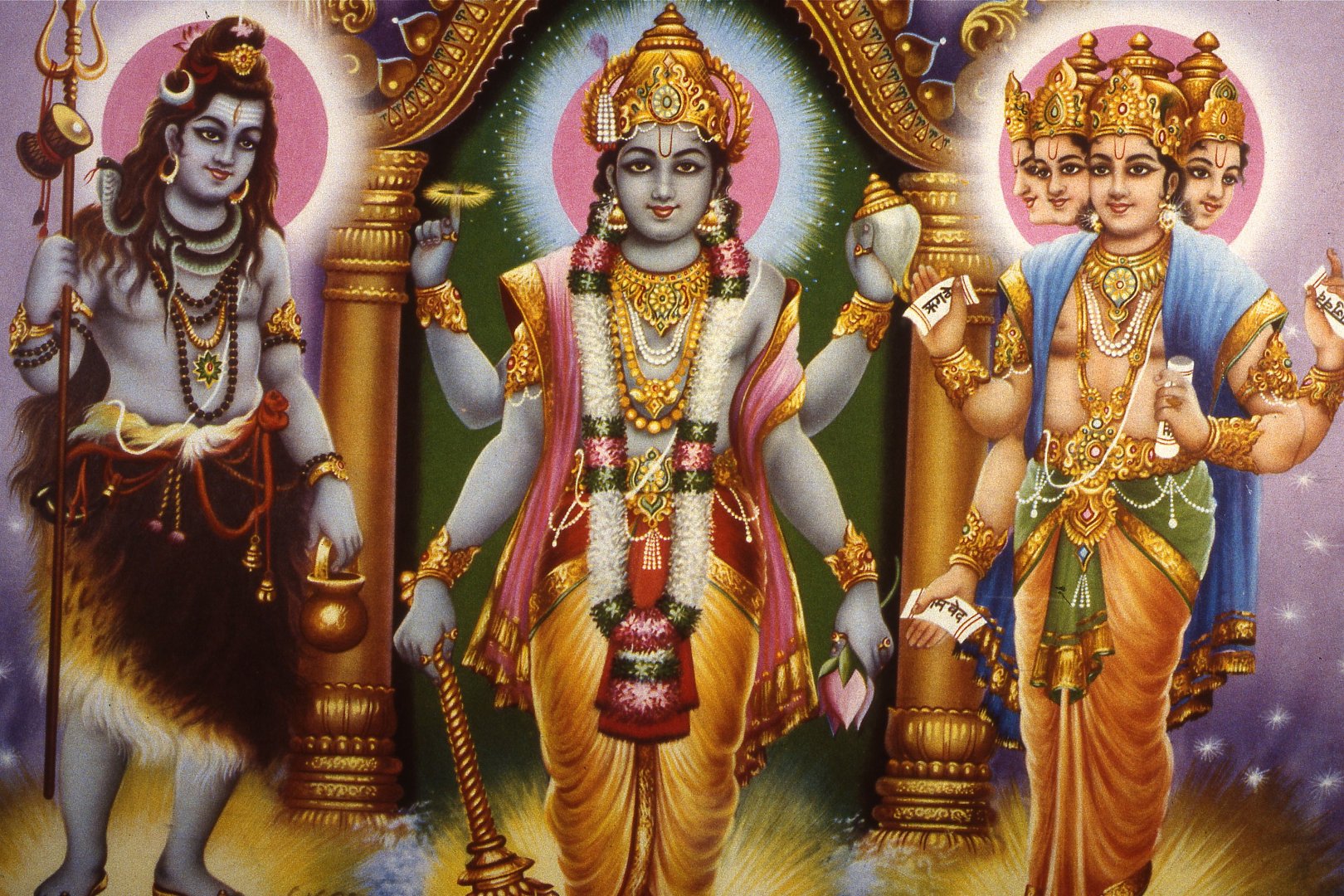
Hinduism is a polytheistic religion, with a pantheon of gods and goddesses. Hindus believe that all of these deities reside in the Himalayas, the sacred mountains of India. As a result, the Himalayas are a popular destination for Hindu pilgrims, who come to pay homage to the gods and goddesses and to seek their blessings.
FAQs
-
What are the benefits of undertaking a pilgrimage to a mountain shrine?
-
How can I prepare for a pilgrimage to a mountain shrine?
-
What are some of the most important mountain shrines in Hinduism?
Subtopics
Kedarnath
Kedarnath is one of the most important and sacred shrines in Hinduism. It is located in the Himalayas, at an altitude of 3,583 meters. The shrine is dedicated to Lord Shiva, one of the most important gods in the Hindu pantheon.
- History: Kedarnath is said to have been founded by Adi Shankara, a famous Hindu philosopher, in the 8th century AD. According to legend, Adi Shankara discovered a jyotirlinga, or a sacred linga of light, at the site of the shrine.
- Significance: Kedarnath is one of the four Char Dhams, or sacred pilgrimage sites, in Hinduism. It is believed that a pilgrimage to Kedarnath can help to purify the soul and to attain moksha, or liberation from the cycle of rebirth.
- Worship: The main deity at Kedarnath is Lord Shiva, who is worshipped in the form of a jyotirlinga. The shrine is also home to a number of other deities, including Parvati, Ganesha, and Kartikeya.
- Festivals: The most important festival at Kedarnath is Shivaratri, which is celebrated in February or March. During Shivaratri, thousands of pilgrims come to Kedarnath to worship Lord Shiva and to take part in religious ceremonies.
- Accommodation: There are a number of hotels and guesthouses near Kedarnath. Pilgrims can also stay in the temple itself.
Badrinath
Badrinath is another important mountain shrine in Hinduism. It is located in the Himalayas, at an altitude of 3,133 meters. The shrine is dedicated to Lord Vishnu, one of the most important gods in the Hindu pantheon.
- History: Badrinath is said to have been founded by Adi Shankara in the 8th century AD. According to legend, Adi Shankara discovered a black stone image of Lord Vishnu at the site of the shrine.
- Significance: Badrinath is one of the four Char Dhams, or sacred pilgrimage sites, in Hinduism. It is believed that a pilgrimage to Badrinath can help to purify the soul and to attain moksha, or liberation from the cycle of rebirth.
- Worship: The main deity at Badrinath is Lord Vishnu, who is worshipped in the form of a black stone image. The shrine is also home to a number of other deities, including Lakshmi, Narayana, and Garuda.
- Festivals: The most important festival at Badrinath is Janmashtami, which is celebrated in August or September. During Janmashtami, thousands of pilgrims come to Badrinath to celebrate the birth of Lord Krishna, an avatar of Lord Vishnu.
- Accommodation: There are a number of hotels and guesthouses near Badrinath. Pilgrims can also stay in the temple itself.
Gangotri
Gangotri is a sacred town and a pilgrimage site in the Himalayas. Located in the state of Uttarakhand, it is the source of the river Ganges, which is considered the most sacred river in Hinduism.
- History: Gangotri is said to have been founded by the sage Bhagiratha, who brought the river Ganges down from heaven to earth. According to legend, Bhagiratha performed severe penance for many years to please Lord Shiva, who agreed to release the Ganges from his hair.
- Significance: Gangotri is one of the four Char Dhams, or sacred pilgrimage sites, in Hinduism. It is believed that a pilgrimage to Gangotri can help to purify the soul and to attain moksha, or liberation from the cycle of rebirth.
- Worship: The main deity at Gangotri is the goddess Ganga, who is worshipped in the form of a stone image. The shrine is also home to a number of other deities, including Shiva, Parvati, and Ganesha.
- Festivals: The most important festival at Gangotri is Ganga Dussehra, which is celebrated in May or June. During Ganga Dussehra, thousands of pilgrims come to Gangotri to bathe in the sacred waters of the Ganges and to offer prayers to the goddess Ganga.
- Accommodation: There are a number of hotels and guesthouses near Gangotri. Pilgrims can also stay in the temple itself.
Yamunotri
Yamunotri is a sacred town and a pilgrimage site in the Himalayas. Located in the state of Uttarakhand, it is the source of the river Yamuna, which is considered the second most sacred river in Hinduism.
- History: Yamunotri is said to have been founded by the sage Markandeya, who performed severe penance to please Lord Shiva. According to legend, Shiva appeared to Markandeya and granted him the boon of having the river Yamuna flow from his body.
- Significance: Yamunotri is one of the four Char Dhams, or sacred pilgrimage sites, in Hinduism. It is believed that a pilgrimage to Yamunotri can help to purify the soul and to attain moksha, or liberation from the cycle of rebirth.
- Worship: The main deity at Yamunotri is the goddess Yamuna, who is worshipped in the form of a black stone image. The shrine is also home to a number of other deities, including Shiva, Parvati, and Ganesha.
- Festivals: The most important festival at Yamunotri is Yamuna Dussehra, which is celebrated in October or November. During Yamuna Dussehra, thousands of pilgrims come to Yamunotri to bathe in the sacred waters of the Yamuna and to offer prayers to the goddess Yamuna.
- Accommodation: There are a number of hotels and guesthouses near Yamunotri. Pilgrims can also stay in the temple itself.
Vaishno Devi
The Vaishno Devi shrine is a renowned pilgrimage site in the Trikuta mountains of the Indian state of Jammu and Kashmir. Dedicated to the Hindu Goddess Vaishno Devi, it is one of the most popular pilgrimage sites in India and receives a large number of devotees throughout the year.
- History: The origins of the Vaishno Devi shrine are shrouded in mystery and legend. According to one popular legend, the shrine was established by three sages, namely, Narada, Madhav, and Gautama, who were devotees of the Goddess Vaishno Devi.
- Significance: The Vaishno Devi shrine is considered one of the holiest places in Hinduism and attracts millions of devotees each year. Pilgrims believe that visiting the shrine and seeking the blessings of the Goddess Vaishno Devi can fulfill their wishes and bring good fortune.
- Worship: The main deity worshipped at the Vaishno Devi shrine is the Goddess Vaishno Devi, who is believed to be an incarnation of the Goddess Durga. Devotees offer prayers, flowers, and sweets to the Goddess and circumambulate the sanctum sanctorum of the shrine.
- Festivals: The Vaishno Devi shrine celebrates several festivals throughout the year, including Navratri, Diwali, and Dussehra. During these festivals, the shrine is decorated with lights and flowers, and special pujas and ceremonies are performed.
- Accommodation: There are several hotels, guest houses, and ashrams near the Vaishno Devi shrine where pilgrims can stay during their visit. The Mata Vaishno Devi Shrine Board also provides accommodation facilities for pilgrims.
Conclusion
The mountain shrines of Hinduism are a source of great spiritual significance for many Hindus. These shrines are located in some of the most beautiful and remote parts of the world, and they offer a unique opportunity to experience the beauty and power of nature while deepening one’s spiritual understanding. If you are looking for a way to connect with your spirituality and to experience the power of the divine, then a pilgrimage to a mountain shrine in Hinduism is an ideal way to do so.
Keywords
- Hinduism
- Pilgrimage
- Mountain shrines
- Kedarnath
- Badrinath
- Gangotri
- Yamunotri
- Vaishno Devi