Sacred Waters: The Role of Holy Rivers in Hindu Pilgrimage
Introduction
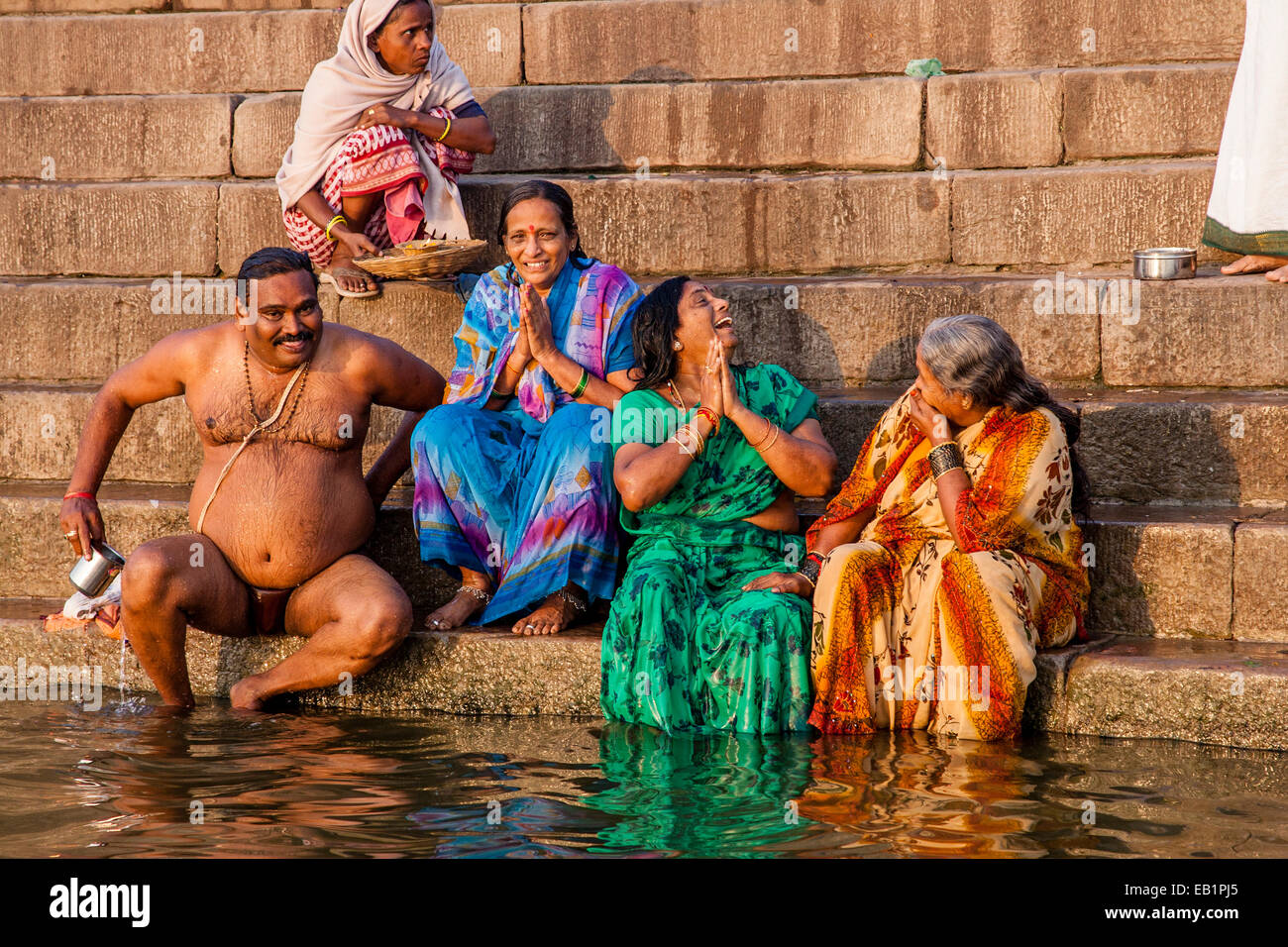
Rivers hold a profound spiritual significance in Hinduism, considered sacred sources of purification and divine connection. In particular, certain rivers are revered as holy and play a vital role in Hindu pilgrimage, attracting millions of devotees each year.
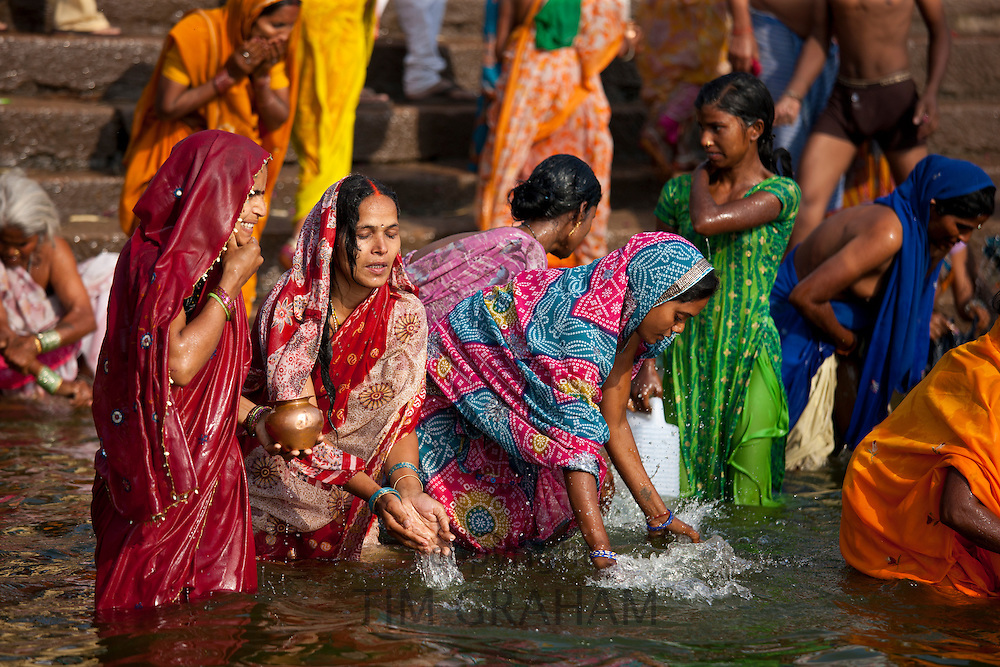
The Ganga (Ganges) River
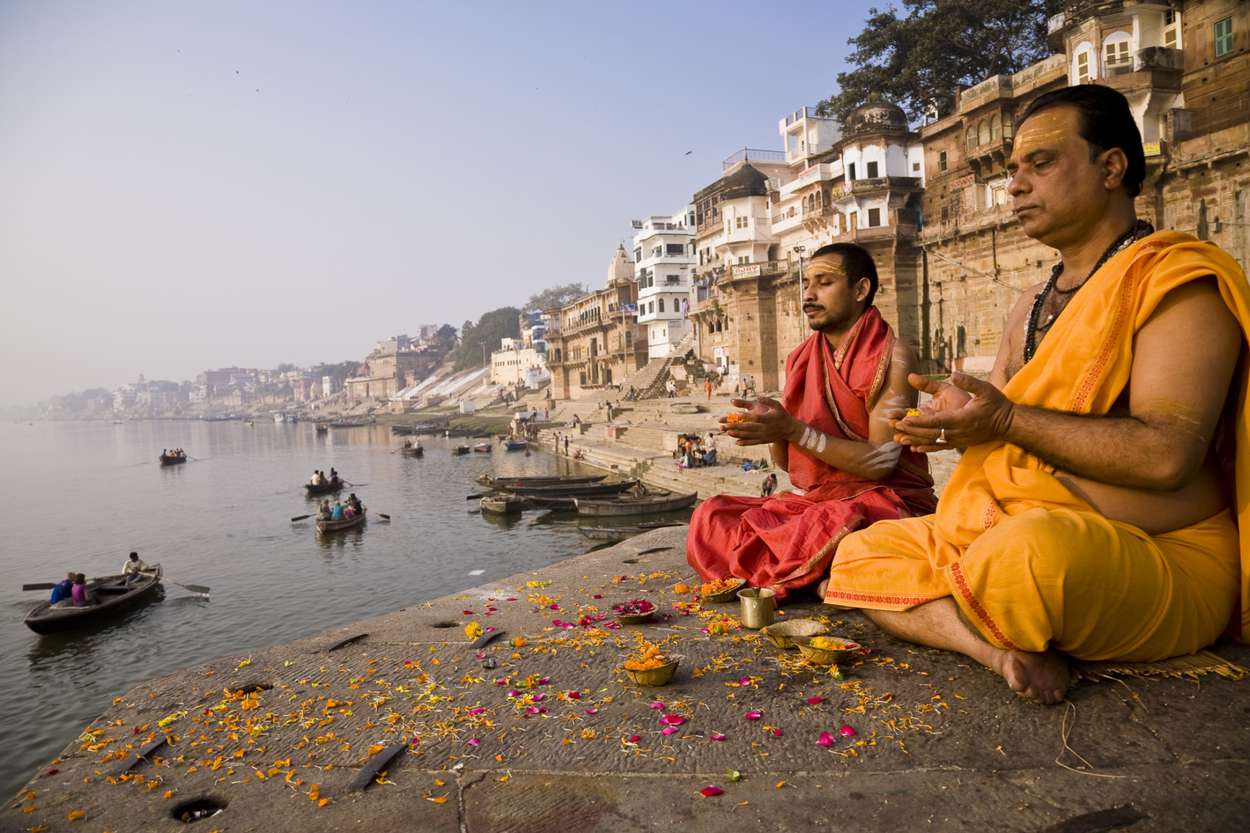
The Ganga is the most sacred river in Hinduism, believed to have descended from heaven to purify the universe. Pilgrims bathe in its waters, seeking absolution from sins and blessings for a good life. They also take part in rituals such as Ganga Arti, where offerings are made to the river goddess with fire and flowers.
The Yamuna River
The Yamuna River is another important holy river, considered the sister of the Ganga. It flows through Mathura and Vrindavan, sacred sites associated with Lord Krishna. Pilgrims bathe in these waters to purify themselves and pay homage to the deity.
The Narmada River
The Narmada River in Madhya Pradesh is known for its pristine waters and is considered a purifier of both body and soul. Pilgrims undertake pilgrimages along its banks, visiting ancient temples and bathing in its sacred waters. The river is believed to have a special energy that can heal and grant wishes.
The Godavari River
The Godavari River in southern India is renowned for its holy ghats (river steps) and is considered the birthplace of the Goddess Sita. Pilgrims take part in the Kumbh Mela, a grand religious festival held here every 12 years, where they bathe in its sacred waters.
The Kaveri River
The Kaveri River in southern India is associated with Lord Shiva and is believed to have been created by his tears. Pilgrims bathe in its waters to wash away sins and seek blessings for prosperity and fertility.
Significance of Bathing in Holy Rivers
Bathing in holy rivers is a central aspect of Hindu pilgrimage. The water is believed to possess purifying and healing properties, and it washes away sins and negative karma. Pilgrims immerse themselves fully in the rivers, submerging themselves in the sacred waters.
Rituals and Offerings
Pilgrims at holy rivers often perform rituals such as Ganga Arti, where offerings of fire and flowers are made to the river goddess. They also chant mantras and prayers, seeking blessings and expressing their devotion. Some rivers have special ghats dedicated to particular deities, where pilgrims perform specific rituals.
Conclusion
Holy rivers in Hinduism are revered as sacred sources of purification, healing, and divine connection. Through bathing in their waters and performing rituals, pilgrims seek to purify themselves, pay homage to the gods and goddesses, and receive blessings for their lives. The role of holy rivers in Hindu pilgrimage is an enduring tradition that continues to shape the religious practices and spiritual beliefs of countless Hindus around the world.## Sacred Waters: The Role Of Holy Rivers In Hindu Pilgrimage
Executive Summary
Holy rivers hold immense significance in Hinduism, serving as sacred pilgrimage sites where devotees embark on spiritual journeys for purification, atonement, and blessings. This article explores the role of holy rivers in Hindu pilgrimage, tracing their history, rituals, and cultural impact.
Introduction
Rivers play a central role in Hindu religious practices, with many holding sacred status and attracting millions of pilgrims each year. These holy rivers are believed to possess purifying and rejuvenating powers, and pilgrimage to their banks is considered a profound spiritual experience.
FAQs
- What is the significance of holy rivers in Hinduism? Holy rivers are believed to be the abode of gods and goddesses, and bathing in their waters is said to cleanse sins and grant blessings.
- Which are the most sacred rivers in Hinduism? The Ganges, Yamuna, Narmada, Godavari, and Krishna are among the most revered holy rivers in Hinduism.
- What are the rituals associated with pilgrimage to holy rivers? Pilgrims typically bathe in the holy river, offer prayers, make offerings, and perform rituals to seek blessings and purify themselves.
Subtopics
Rituals and Beliefs
- Purification Baths: Bathing in holy rivers is believed to cleanse the body and soul of impurities, both physical and spiritual.
- Sacred Offerings: Devotees offer flowers, coins, and other items to the river as a gesture of devotion and gratitude.
- Prayers and Mantras: Pilgrims chant prayers and recite mantras while bathing or performing other rituals by the riverbank.
- Symbolic Significance: The flowing waters of the river represent the constant cycle of life, death, and rebirth.
Cultural Impact
- Religious Festivals: Major religious festivals, such as Kumbh Mela and Shivaratri, are celebrated on the banks of holy rivers, attracting vast gatherings of pilgrims.
- Historical Significance: Holy rivers have been central to the development of Hindu civilization, with settlements and temples often built along their banks.
- Social Unity: Pilgrimage to holy rivers fosters a sense of community and brings together people from diverse backgrounds.
- Economic Benefits: Pilgrimage to holy rivers generates significant economic activity, supporting local businesses and tourism.
Health and Well-being
- Therapeutic Properties: The waters of holy rivers are believed to have therapeutic properties that can alleviate ailments and promote overall well-being.
- Spiritual Healing: Pilgrimage to holy rivers is seen as a journey of self-discovery and spiritual renewal.
- Stress Reduction: The tranquil atmosphere and calming sounds of the river can help reduce stress and promote relaxation.
- Environmental Awareness: Holy rivers play a vital role in maintaining ecological balance and preserving biodiversity.
Conclusion
Holy rivers hold a profound significance in Hindu pilgrimage, offering a unique opportunity for spiritual purification, cultural immersion, and personal transformation. Through rituals, beliefs, and cultural traditions, these sacred waters provide a bridge between the earthly and divine realms, enriching the lives of millions of pilgrims and leaving a lasting impact on Hindu society.
Keyword Tags
- Holy Rivers
- Hindu Pilgrimage
- Sacred Waters
- Religious Festivals
- Cultural Impact