

Sanskrit: The Sacred Language of Hinduism & Its Enduring Legacy
Sanskrit, an ancient Indo-Aryan language, holds a revered position in Hinduism as its sacred language. It is believed to be the language of the gods and is used in religious texts, rituals, and mantras. Sanskrit’s rich history and enduring legacy have shaped Hinduism and continue to influence its practices and beliefs.
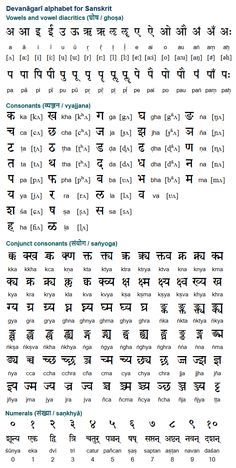
Origins and Development:
The origins of Sanskrit can be traced back to Proto-Indo-Iranian, a language spoken by the ancient Indo-Iranian people. Around 1500 BCE, Sanskrit emerged as a distinct language in the northern regions of the Indian subcontinent. It became the language of the Vedic texts, the earliest Hindu scriptures, and played a crucial role in the development of Hinduism.
Religious Significance:
Sanskrit is considered a sacred language in Hinduism due to its association with the Vedas. These ancient texts are believed to be the revealed word of the gods and are written in Sanskrit. The sacredness of Sanskrit extends to other religious texts such as the Upanishads, Puranas, and Bhagavad Gita.
Mantras and Rituals:
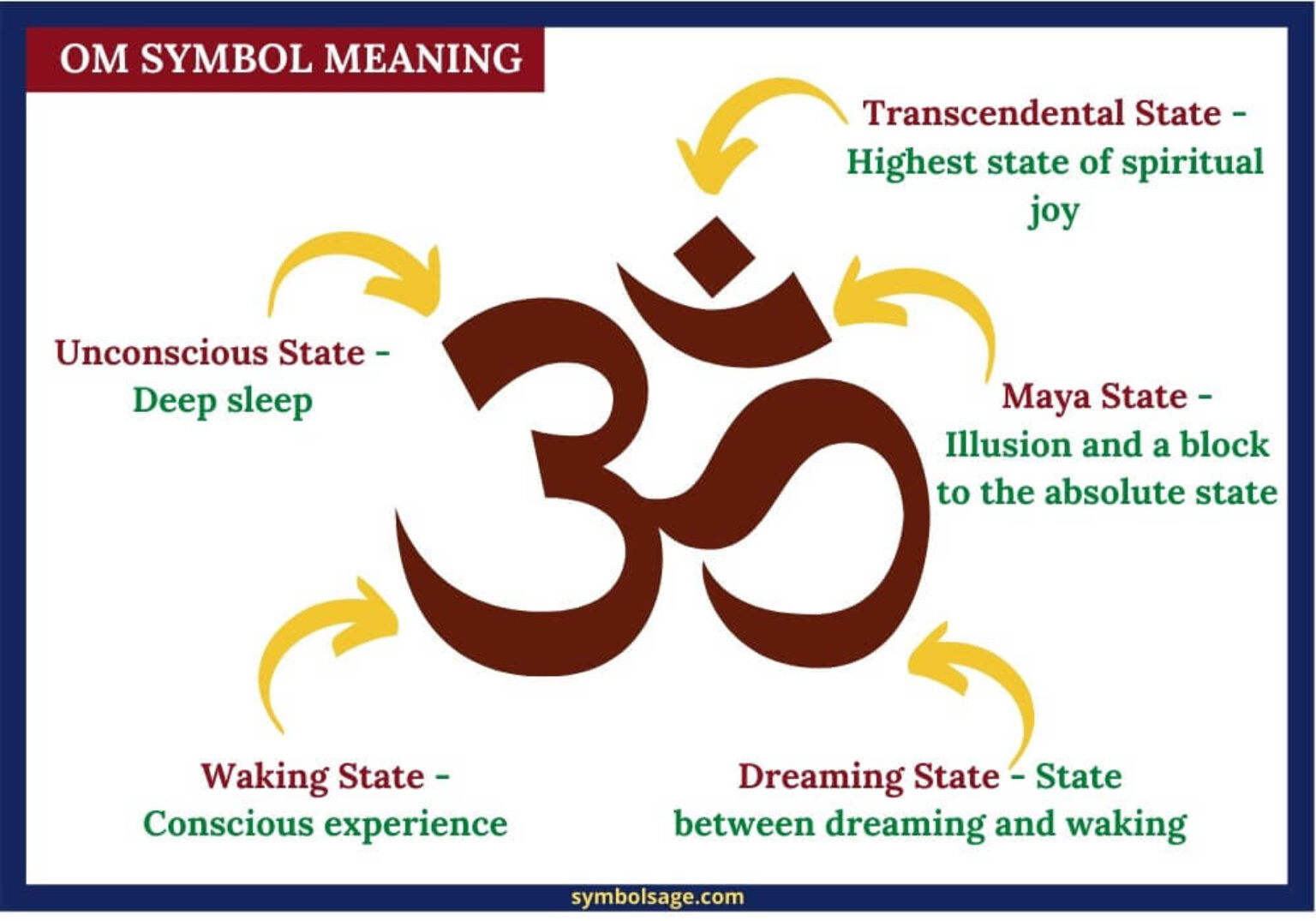
In Hinduism, mantras are sacred utterances that are believed to have spiritual power. Most mantras are composed in Sanskrit and are used in rituals, meditation, and prayers. The Vedic mantras, in particular, are considered highly potent and are used in various ceremonies and rituals.
Influence on Other Languages:
Sanskrit has significantly influenced the development of other Indian languages. Many modern Indo-Aryan languages, such as Hindi, Marathi, and Bengali, have borrowed extensively from Sanskrit vocabulary. Sanskrit has also influenced Dravidian languages like Tamil and Telugu, contributing to their literary traditions.
Cultural and Literary Legacy:
Sanskrit has played a vital role in preserving Hindu culture and traditions. It is the language of ancient Indian epics like the Ramayana and the Mahabharata, which have shaped the cultural identity of Hindus. Sanskrit literature encompasses a wide range of genres, including poetry, drama, philosophy, and scientific treatises.
Modern Relevance:
Despite being an ancient language, Sanskrit continues to be studied and used in contemporary Hinduism. Many religious rituals and ceremonies are still performed in Sanskrit. Additionally, there is a growing interest in Sanskrit as a classical language and a source of cultural and spiritual knowledge.
Conclusion:
Sanskrit, the sacred language of Hinduism, has a rich and enduring legacy that spans millennia. Its religious significance, influence on other languages, and cultural and literary contributions have shaped Hinduism and continue to play a vital role in its practices and beliefs. The study and preservation of Sanskrit remain essential for understanding the depth and richness of Hindu traditions.## Sanskrit: The Sacred Language Of Hinduism & Its Enduring Legacy
Executive Summary
Sanskrit, the ancient language of India, holds immense significance in the cultural and religious tapestry of the subcontinent. As the sacred language of Hinduism, Sanskrit has preserved the Vedas, the core scriptures that have guided generations of Hindus. It remains a living language, used in religious ceremonies, scholarly discourses, and artistic expressions, showcasing its enduring legacy and profound impact on Indian civilization.
Introduction
Sanskrit, derived from the word “samskrta” meaning “refined” or “perfected,” emerged as a standardized literary language in India around 1500 BC. Its highly structured grammar and extensive vocabulary allowed scholars to express complex philosophical and spiritual concepts. Sanskrit became the preferred language for religious texts, scientific treatises, and literary masterpieces, shaping the intellectual landscape of ancient India.
FAQ
Q: Is Sanskrit still spoken today?
A: Yes, Sanskrit is still used in religious ceremonies, academic institutions, and cultural events. However, it is not a commonly spoken language in daily life.
Q: What is the significance of Sanskrit in Hinduism?
A: Sanskrit is considered the divine language of the gods and goddesses. The Vedas, the sacred texts of Hinduism, are written in Sanskrit, making it the primary language of Hindu rituals and spiritual practices.
Q: What is the origin of Sanskrit?
A: Sanskrit evolved from Proto-Indo-European, the ancestral language of many European and South Asian languages. It shares similarities with languages such as Greek, Latin, and Persian.
Subtopics
Vedic Literature
- Oldest and most sacred texts of Hinduism
- Written in Sanskrit around 1500-500 BC
- Four main collections: Rigveda, Yajurveda, Samaveda, Atharvaveda
- Contain hymns, rituals, philosophical insights, and mythological stories
Classical Sanskrit
- Standardized form of Sanskrit that emerged around 500 BC
- Used in literary works, dramas, epics (e.g., Ramayana, Mahabharata)
- Characterized by its complex grammar, elaborate vocabulary, and sophisticated literary style
Philosophical Treatises
- Sanskrit was the preferred language for philosophical discussions in India
- Upanishads: Ancient texts that explore the nature of reality, the self, and the divine
- Six philosophical systems developed in India: Nyaya, Vaisheshika, Samkhya, Yoga, Mimamsa, Vedanta
Scientific Achievements
- Sanskrit scholars made significant contributions to mathematics, astronomy, and medicine
- Aryabhata: Developed the concept of zero and the decimal system
- Susruta: Renowned surgeon who described surgical procedures in his work “Sushruta Samhita”
Artistic Expressions
- Sanskrit was used extensively in poetry, drama, and music
- Kalidasa: Celebrated Sanskrit playwright known for his lyrical dramas
- Bharata Muni: Author of “Natya Shastra,” a treatise on classical Indian dance and music
Conclusion
Sanskrit, the sacred language of Hinduism, has played a pivotal role in shaping the cultural, religious, and intellectual landscape of India. From the ancient wisdom enshrined in the Vedas to the sophisticated literary masterpieces of classical Sanskrit, this language has preserved the profound insights of generations of thinkers, scholars, and artists. While its daily usage may have diminished, Sanskrit continues to inspire and enrich the lives of Hindus and scholars alike, ensuring its enduring legacy as a testament to India’s rich and vibrant cultural heritage.
Keyword Tags
- Sanskrit
- Hindu sacred language
- Vedic literature
- Classical Sanskrit
- Philosophical treatises