Hinduism and Vegetarianism: A Sustainable Food Choice for a Healthy Planet
Introduction
Hinduism, one of the world’s oldest religions, has deeply influenced Indian culture and dietary habits. Vegetarianism has been an integral part of Hinduism for centuries, with religious scriptures and teachings advocating for the non-violence towards all living beings. This essay explores the connection between Hinduism and vegetarianism, emphasizing the sustainability and health benefits of this food choice for both the planet and individuals.
Religious Beliefs and Vegetarianism
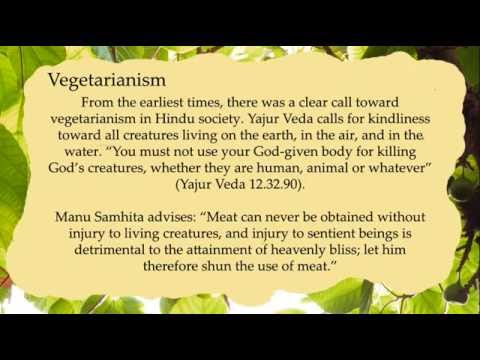
Hinduism promotes the concept of ahimsa, or non-violence, which extends to all forms of life. The Bhagavad Gita, a revered Hindu scripture, states, “He who does not injure any creature, who is friendly and compassionate, who has no ill-will against anyone – he is dear to me.” This belief has led many Hindus to adopt a vegetarian diet, as it minimizes the harm caused to animals.
Sustainability
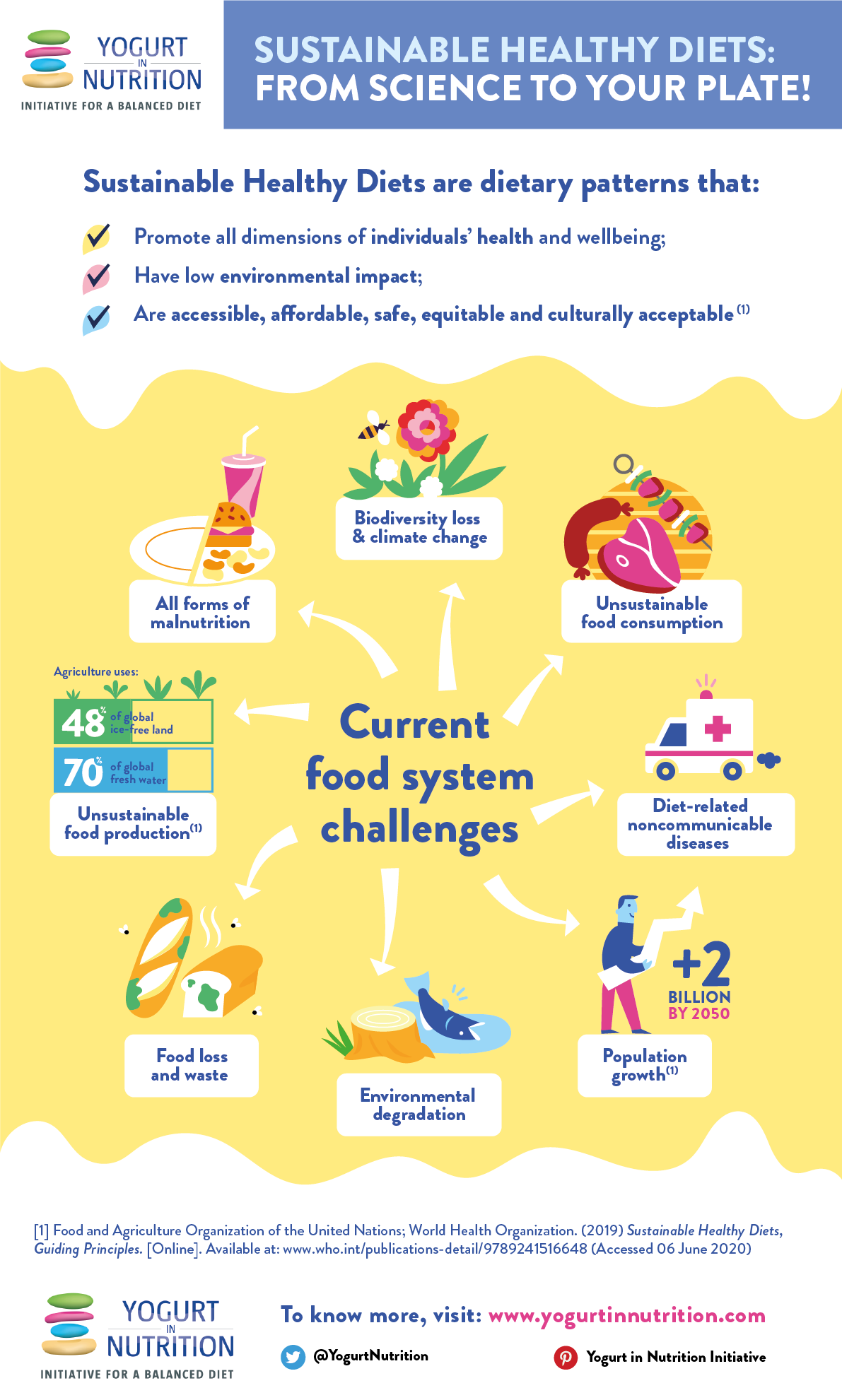
Vegetarianism has significant environmental benefits. Animal agriculture is a major contributor to greenhouse gas emissions, water pollution, and deforestation. By choosing a plant-based diet, Hindus help reduce their carbon footprint and protect the planet. Vegetarian diets require less land and water per calorie than meat-based diets, making them more sustainable for a growing global population.
Health Benefits
Numerous studies have shown that vegetarian diets offer various health benefits. Vegetarians tend to have lower risks of chronic diseases such as heart disease, stroke, type 2 diabetes, and some types of cancer. Plant-based foods are rich in fiber, vitamins, minerals, and antioxidants, providing essential nutrients for optimal health.
Influence on Indian Culture
Vegetarianism has deeply influenced Indian culture, with many traditional dishes being plant-based. Vegetarian restaurants are widely available throughout the country, catering to the large population of vegetarians. Furthermore, Hindu festivals often feature meatless feasts, reinforcing the importance of vegetarianism within the community.
Conclusion
The connection between Hinduism and vegetarianism is rooted in religious beliefs and has significant implications for environmental sustainability and human health. By embracing a vegetarian lifestyle, Hindus not only follow their religious principles but also contribute to a healthier and more sustainable planet. Vegetarianism remains a vital part of Hindu culture, providing both spiritual fulfillment and practical benefits for individuals and the environment alike.## Hinduism And Vegetarianism: A Sustainable Food Choice For A Healthy Planet
Executive Summary
Hinduism is a religion that has deep roots in vegetarianism. The practice of abstaining from meat consumption is based on the belief in ahimsa, or non-violence towards all living beings. This article explores the connection between Hinduism and vegetarianism, highlighting the environmental, health, and spiritual benefits of a plant-based diet.

Introduction
Hinduism is one of the world’s oldest religions, with a rich history and diverse practices. Vegetarianism holds a central place in Hinduism, with many Hindus choosing to abstain from meat consumption for religious, ethical, and environmental reasons. This article delves into the interconnectedness of Hinduism and vegetarianism, examining the benefits of a plant-based diet for both individuals and the planet.
FAQs
1. Why do Hindus practice vegetarianism?
Hindus practice vegetarianism primarily due to the concept of ahimsa, which emphasizes non-violence and compassion towards all creatures. They believe that consuming animals involves violence and harm, which goes against their religious principles.
2. Is vegetarianism mandatory in Hinduism?
No, vegetarianism is not strictly mandatory in Hinduism. While many Hindus choose to adopt a vegetarian diet, others may consume meat occasionally or under certain circumstances. The level of adherence to vegetarianism varies among different Hindu sects and individuals.
3. What are the benefits of a vegetarian diet?
A vegetarian diet offers numerous health benefits, including reduced risk of heart disease, stroke, type 2 diabetes, and certain types of cancer. It is also typically lower in saturated fat and cholesterol than a meat-based diet.
Subtopics
1. Environmental Sustainability
- Vegetarianism reduces greenhouse gas emissions associated with animal agriculture, which is a major contributor to climate change.
- Animal agriculture uses vast amounts of land, water, and energy, putting a strain on natural resources.
- Plant-based diets require less land, water, and energy to produce, making them more sustainable for the planet.
2. Health and Nutrition
- Vegetarian diets are rich in fruits, vegetables, and whole grains, providing essential vitamins, minerals, and fiber.
- Studies show that vegetarians tend to have lower rates of obesity, cardiovascular disease, and certain chronic diseases.
- Vegetarianism can help promote a healthy weight and improve overall health and well-being.
3. Ethical Considerations
- Vegetarianism aligns with the Hindu principle of ahimsa, which extends compassion to all living beings.
- Animals raised for food often endure inhumane living conditions and are subjected to suffering and slaughter.
- By choosing a vegetarian diet, Hindus demonstrate their commitment to non-violence and respect for animals.
4. Spiritual Growth
- Hinduism believes that the consumption of meat can hinder spiritual progress and create negative karmic attachments.
- A vegetarian diet is seen as a way to purify the body and mind, promoting spiritual awareness and connection.
- Vegetarianism can facilitate a deeper connection with nature and foster a sense of unity with all living creatures.
5. Cultural Heritage
- Vegetarianism has been an integral part of Hindu culture for centuries.
- It is reflected in Hindu festivals, rituals, and dietary practices.
- Vegetarianism plays a significant role in shaping the cultural identity of many Hindu communities.
Conclusion
Hinduism and vegetarianism are deeply intertwined, with a shared commitment to non-violence, environmental sustainability, and inner purity. A plant-based diet offers numerous benefits for both individuals and the planet, reducing greenhouse gas emissions, promoting health and well-being, aligning with ethical principles, facilitating spiritual growth, and preserving cultural heritage. By embracing vegetarianism, Hindus not only follow their religious beliefs but also make a positive contribution to a more sustainable and compassionate world.
Keyword Tags
- Hinduism
- Vegetarianism
- Ahimsa
- Environmental sustainability
- Ethical eating