The Bhakti Movement: Stories of Love and Devotion in Hinduism
The Bhakti movement, which originated in India in the 7th century CE, was a significant religious movement characterized by the emphasis on love, devotion, and direct communion with a personal deity. It played a pivotal role in shaping Hinduism and leaving an enduring legacy in Indian culture.
Origins and Background:
The Bhakti movement emerged as a reaction to the complex rituals and hierarchical structures of traditional Hinduism. It sought to make spirituality accessible to all individuals, regardless of their caste or social status. The movement was influenced by various philosophical traditions, including Vaishnavism (devotion to Vishnu), Shaivism (devotion to Shiva), and Shaktism (devotion to the goddess Shakti).
Key Beliefs and Practices:
- Personal Devotion: Bhakti emphasized the importance of direct and intimate devotion to a chosen deity.
- Love and Surrender: Devotees expressed their love and surrender to their deity through devotional songs, prayers, and rituals.
- Emotional Expression: Bhakti encouraged the open expression of emotions, such as love, joy, and longing, in devotional practices.
- Equality and Accessibility: The movement challenged social hierarchies and promoted the idea that all individuals were equal in the eyes of God.
Important Figures and Saints:
- Nayanmars and Alwars: These were Tamil saints who composed devotional hymns and songs, known as “bhajans.”
- Ramanuja: A Vaishnava philosopher who developed the concept of “Vishishtadvaita,” which emphasized the unity and interdependence of God and creation.
- Madhva: Another Vaishnava philosopher who believed in the doctrine of “Dvaita,” which emphasized the separate existence of God and the soul.
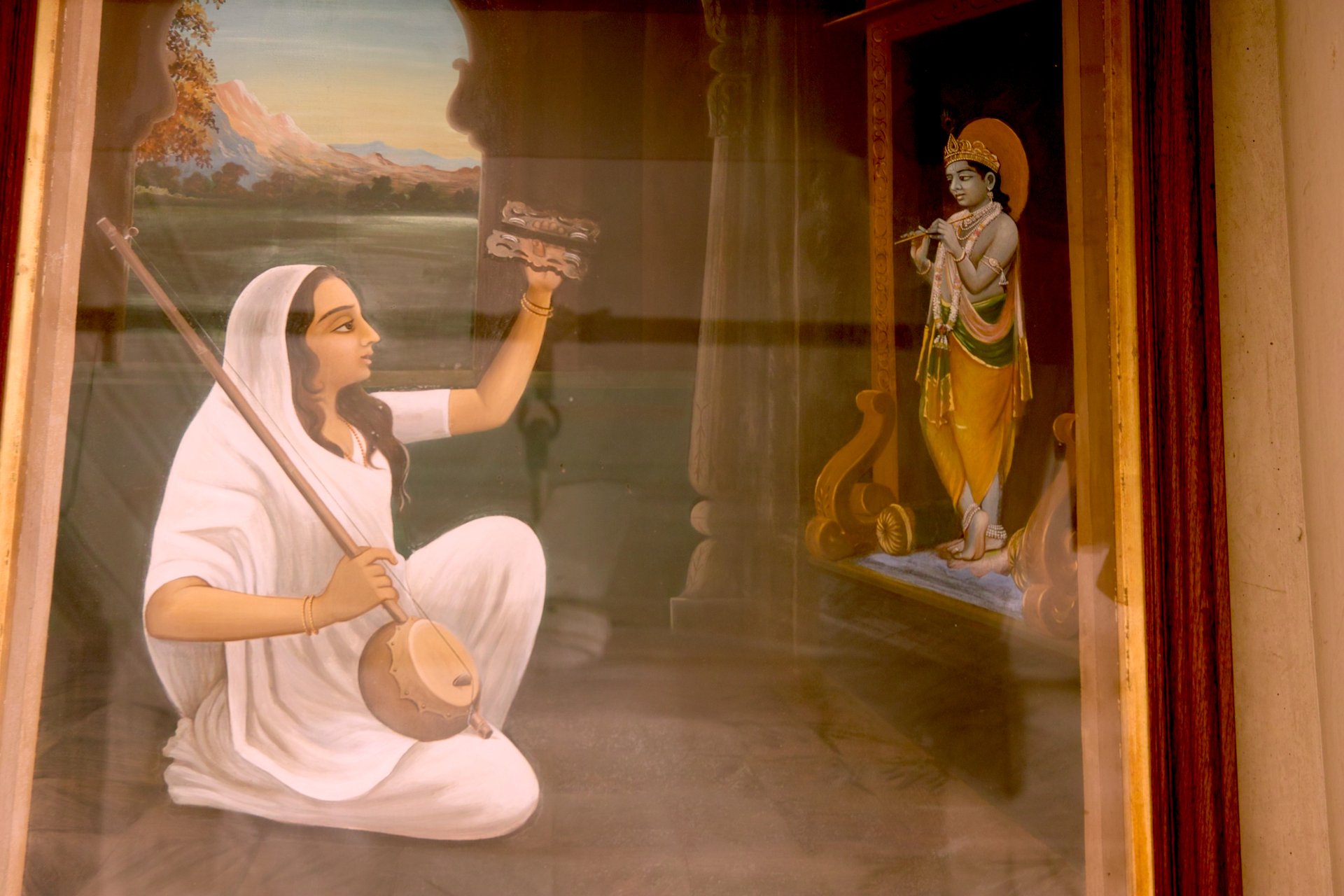
- Mirabai: A 16th-century princess who was known for her intense devotion to Lord Krishna.
Impact and Legacy:
- Spread of Hinduism: The Bhakti movement played a crucial role in the spread of Hinduism beyond India, particularly to Southeast Asia and Nepal.
- Devotional Literature: Bhakti saints produced a vast body of devotional literature, including hymns, poems, and songs, which became an essential part of Hindu religious expression.
- Social Reform: The movement challenged caste and gender inequalities and promoted the idea of social equality.
- Influence on Modern Hinduism: The Bhakti movement’s emphasis on personal devotion and emotional expression has influenced modern Hinduism, including contemporary devotional practices and the popularity of devotional music.
Stories of Love and Devotion:
The Bhakti movement produced numerous stories that illustrate the power of love and devotion. Here are two such stories:
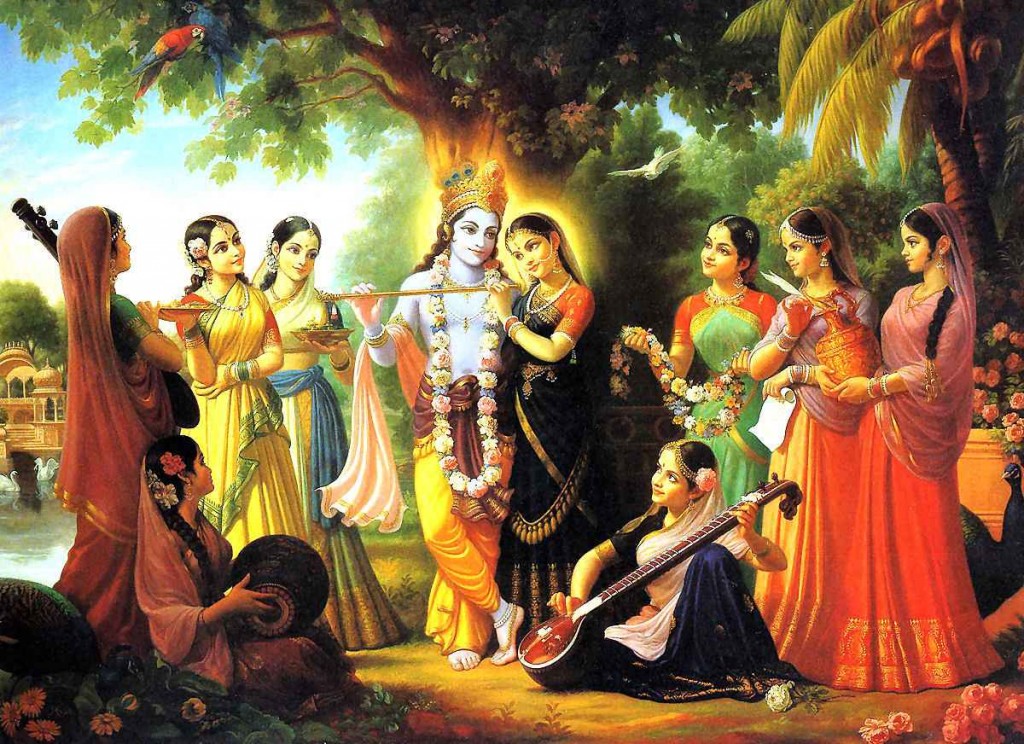
- Nanda and Yashoda: This story revolves around the devotion of Nanda and Yashoda, the foster parents of Lord Krishna. Their love and care for Krishna became a symbol of the purest and most selfless love.
- Mirabai and Lord Krishna: Mirabai, a princess from Rajasthan, was a staunch devotee of Lord Krishna. Despite societal pressure and family opposition, she remained unwavering in her devotion, leading to miraculous events and divine experiences.
Through its emphasis on love, devotion, and personal communion with God, the Bhakti movement left an enduring legacy in Hinduism, inspiring generations of followers to seek spiritual fulfillment and a deeper connection with the divine.## The Bhakti Movement: Stories Of Love And Devotion In Hinduism
Executive Summary
The Bhakti movement, a significant religious movement that originated in medieval India, emphasized devotion, love, and personal connection with a chosen deity. It challenged the prevalent caste system and complex rituals of the time, advocating for egalitarianism and accessibility in spiritual practices. This article explores the history, beliefs, and key figures of the Bhakti movement, shedding light on its profound impact on Hinduism and Indian society.
Introduction
The Bhakti movement emerged in the 7th century CE as a response to the perceived rigidity and inaccessibility of established religious practices. It rejected the strict adherence to the Vedas and the caste system, instead emphasizing personal devotion and direct communion with God. The movement gained momentum over the centuries, spreading across the Indian subcontinent and influencing various aspects of religious, social, and cultural life.
FAQs
Q: What is the core belief of the Bhakti movement?
A: The Bhakti movement believes in the power of love and devotion as the primary means to attain spiritual enlightenment and connect with God.
Q: How did the Bhakti movement impact Indian society?
A: It challenged the caste system, promoted egalitarianism, and encouraged the use of local languages in religious practices, making spirituality more accessible to ordinary people.
Q: Who are some of the notable figures associated with the Bhakti movement?
A: Prominent saints and reformers such as Ramananda, Chaitanya Mahaprabhu, Mirabai, Tukaram, and Kabir played significant roles in shaping the movement.
Subtopics
Theological Beliefs
- Devotion (Bhakti): The central tenet of the Bhakti movement, emphasizing a profound love and devotion to a chosen deity.
- Personal Communion: Encourages a direct and intimate relationship with God, bypassing complex rituals and intermediaries.
- Renunciation of Worldly Desires: Advocates for detachment from material possessions and desires, fostering a focus on spiritual pursuits.
- Unity of All Beings: Emphasizes the underlying unity and interconnectedness of all creatures, regardless of caste or social status.
Social Impact
- Challenge to Caste System: Criticized the hierarchical nature of the caste system, promoting equality and access to spiritual practices for all.
- Use of Local Languages: Encouraged the use of regional languages in religious texts and practices, making them accessible to ordinary people.
- Influence on Indian Culture: Shaped devotional music, poetry, and literature, leaving a lasting impact on Indian cultural expression.
Historical Development
- Early Origins: Traced back to the early saints and philosophers of the 7th century, such as Nayanars and Alvars.
- Spread and Expansion: Gained prominence during the 12th-15th centuries, with the teachings of Ramananda and other saints reaching across India.
- Influence on Sikhism: Influenced the development of the Sikh religion, founded by Guru Nanak, who incorporated elements of Bhakti philosophy.
Key Figures
- Ramananda: A 14th-century saint who emphasized the unity of all religions and initiated disciples from various castes.
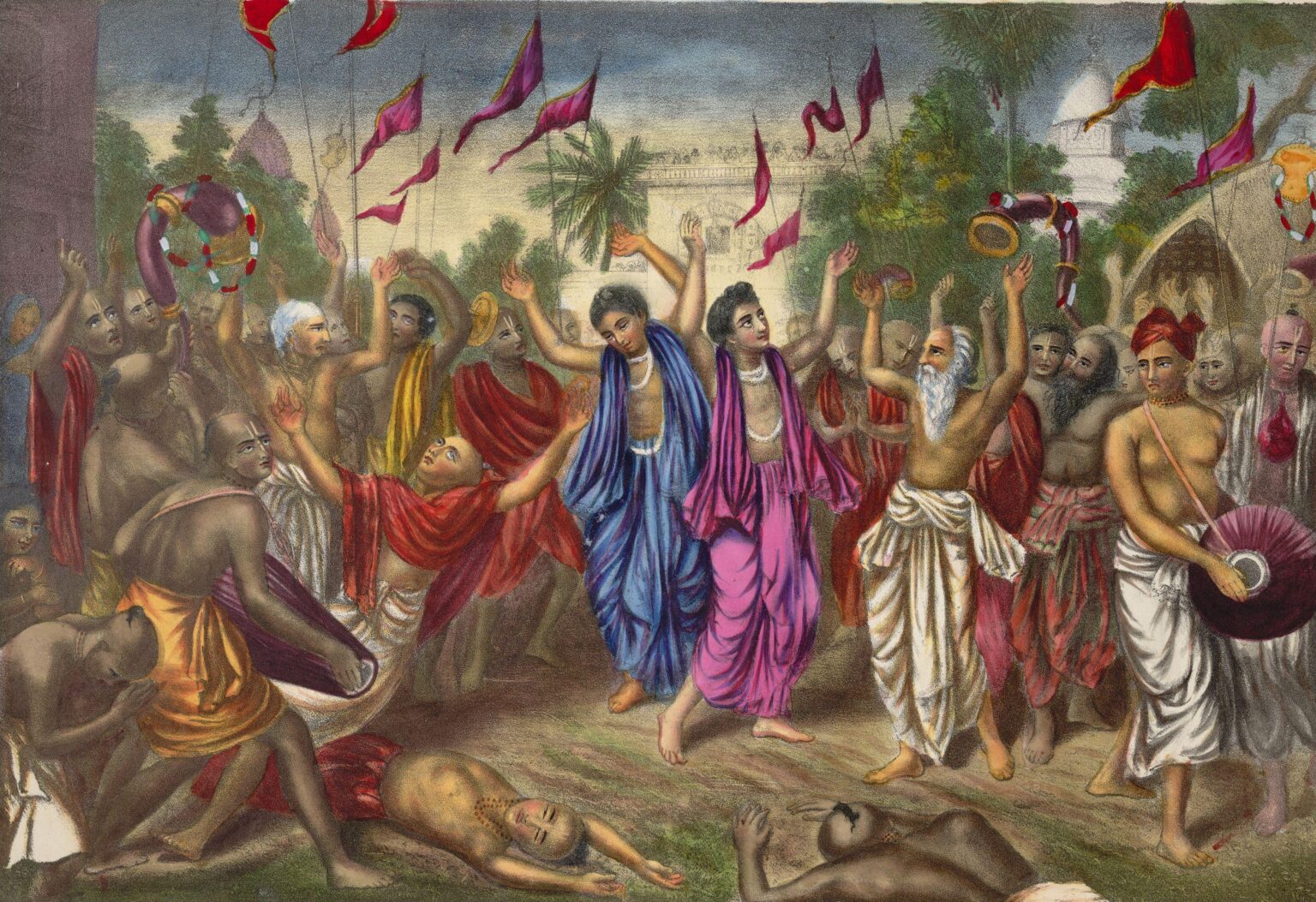
- Chaitanya Mahaprabhu: A 16th-century saint who popularized the chanting of the Hare Krishna mantra and the practice of ecstatic dancing.
- Mirabai: A 16th-century princess known for her intense devotion to Krishna and her devotional poetry.
- Tukaram: A 17th-century saint who wrote over 4,000 devotional poems and challenged social injustices.
- Kabir: A 15th-century mystic and poet who criticized religious dogma and advocated for a path beyond caste and creed.
Conclusion
The Bhakti movement played a transformative role in the history of Hinduism and Indian society. Its emphasis on love, devotion, and social equality left an enduring legacy. The movement’s teachings continue to inspire and guide countless individuals, reminding them of the power of love and the boundless possibilities for spiritual connection.
Keyword Tags
- Bhakti Movement
- Hinduism
- Devotion
- Love
- Social Impact
- Historical Development
- Ramananda
- Chaitanya Mahaprabhu
- Mirabai
- Tukaram
- Kabir