Artistic Traditions: Unveiling the Tapestry of Cultural Heritage
In the realm of human expression, where creativity intertwines with history, artistic traditions stand as testaments to the rich tapestry of human ingenuity. They are the threads that weave together the fabric of our collective identity, connecting us to our past and illuminating the path forward.
Exploring the Artistic Traditions of India: A Journey of Cultural Immersion
India, a land steeped in ancient wisdom and vibrant diversity, boasts a kaleidoscope of artistic traditions that have captivated the world for centuries. From the intricate dance forms of Bharatnatyam to the vibrant paintings of the Mithila school, Indian art encompasses a vast spectrum of mediums and expressions.
1. The Allure of Indian Classical Dance: A Graceful Symphony of Movement
Classical Indian dance forms, such as Bharatnatyam, Kathak, and Kuchipudi, are renowned for their intricate footwork, expressive gestures, and captivating storytelling. These dances are not merely performances but a profound articulation of cultural heritage, reflecting the myths, legends, and spiritual beliefs of ancient India.
2. The Colors of India: Vibrant Paintings that Paint a Tapestry of Life
Indian paintings, spanning various schools and styles, are a symphony of colors, lines, and textures. From the miniature paintings of the Mughal era to the vibrant folk art of Warli, each artwork tells a unique story of the Indian soul.
3. The Sculptures of India: Stone Whispers of a Bygone Era
Indian sculpture is a testament to the artistry and technical prowess of Indian artisans. From the colossal statues carved into the rock-cut temples of Ajanta to the intricate bronze idols of the Chola dynasty, Indian sculptures capture the essence of human emotion and spirituality.
4. Indian Architecture: A Symphony of Form and Function
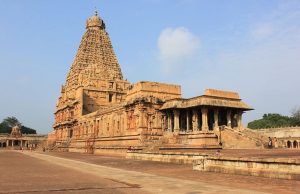
Indian architecture is a harmonious blend of aesthetics, functionality, and cultural symbolism. From the majestic temples of Khajuraho to the opulent palaces of Jaipur, Indian buildings showcase the ingenuity and architectural prowess of ancient India.
The Significance of Preserving Artistic Traditions: A Journey through Time
Artistic traditions are not mere relics of the past; they are living, breathing expressions of our cultural identity. Preserving these traditions is crucial for several reasons:
1. Historical Continuity: Connecting the Past to the Present
Artistic traditions provide a tangible link to our ancestors, allowing us to understand their beliefs, values, and aspirations. Through art, we can glimpse into the lives of those who came before us.
2. Cultural Diversity: Celebrating the Tapestry of Human Ingenuity
Artistic traditions contribute to the tapestry of human diversity, showcasing the unique expressions of different cultures and communities. By appreciating and preserving these traditions, we foster respect and understanding among people.
3. Economic and Social Impact: Nurturing Creativity and Community
Artistic traditions provide livelihoods for artisans, musicians, and dancers, contributing to the economic well-being of communities. They also strengthen social bonds, fostering a sense of belonging and pride.
4. Inspiration for Innovation: Fueling Artistic Evolution
Artistic traditions serve as a source of inspiration for contemporary artists and designers. By studying and reinterpreting traditional forms, artists can innovate and push the boundaries of creativity.
Conclusion: The Legacy of Artistic Traditions
Artistic traditions are the footprints of our cultural journey, connecting us to our past and inspiring our future. By embracing, preserving, and celebrating these traditions, we not only safeguard our heritage but also nurture our collective creativity and foster a sense of unity and purpose.
Secondary Keywords:
- Cultural Heritage
- Indian Art
- Indian Dance
- Indian Painting
- Indian Architecture