Bhakti – The Path of Devotion in Hinduism
Have you ever wondered about the true meaning of life and the ultimate goal of human existence? In the ancient traditions of Hinduism, the concept of moksha, or liberation from the cycle of rebirth, holds a central place. And among the four main paths to moksha, Bhakti stands out as a profound and transformative approach.
Understanding Bhakti
Bhakti is a Sanskrit word that translates to “devotion” or “love.” In the context of Hinduism, it refers to a deep and unwavering devotion to a personal god or goddess. Bhakti is not mere worship or ritualistic observance; it encompasses the entire spectrum of one’s being, permeating every thought, word, and action.
The Bhakti Path
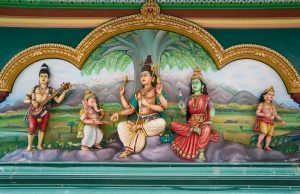
The path of Bhakti is characterized by intense love and devotion to a chosen deity. This deity may be an incarnation of the divine, such as Lord Rama or Lord Krishna, or a specific form of the divine, such as Devi or Shiva. Through devotion, the practitioner seeks to establish a personal relationship with their chosen deity, offering prayers, chanting hymns, and performing rituals.
The ultimate goal of Bhakti is to transcend the ego and experience union with the divine. This state of oneness is known as Bhava, and it is characterized by a complete surrender to the will of God.
The Four Pillars of Bhakti
The path of Bhakti is supported by four main pillars:
- Shraddha: Faith and unwavering belief in the divine.
- Prema: Unconditional love and devotion to God.
- Bhakti: Engaged practice of devotion, including rituals and worship.
- Atmasamarpanam: Surrender of the ego and complete submission to the divine will.
Benefits of Bhakti
Engaging in Bhakti offers numerous benefits for the practitioner:
- Deepens spiritual connection and understanding.
- Cultivates love and compassion for all beings.
- Promotes inner peace and contentment.
- Purifies the mind and heart, leading to a state of bliss.
- Provides a sense of purpose and meaning in life.
- Can lead to the ultimate goal of moksha, liberation from the cycle of rebirth.
Forms of Bhakti
Bhakti can manifest in various forms, depending on the individual’s temperament and beliefs. Some common forms include:
- Japa Yoga: Repetition of divine names or mantras.
- Kirtan: Devotional singing and chanting.
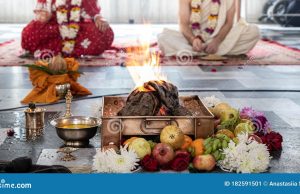
- Arati: Ritualistic offering of light to the deity.
- Seva: Selfless service to others, often performed in the name of the deity.
- Puja: Worship and offering to the deity through specific rituals.
Conclusion
Bhakti, the path of devotion, offers a profound and transformative way to connect with the divine and attain spiritual liberation. Through intense love and unwavering surrender, practitioners seek to transcend the limitations of the ego and experience the ultimate union with God. Whether you are a seasoned spiritual seeker or simply curious about the nature of devotion, the path of Bhakti holds immense potential for deepening your spiritual journey and discovering the true meaning of life.
Secondary Keywords
Moksha, Hinduism, Karma, Jnana, Raja Yoga