====== Karma and Dharma ======
Karma and Dharma: The Path to Liberation
Introduction
In the tapestry of life, our actions weave the threads that determine our destiny. This concept of cause and effect is known as karma, a fundamental principle in Hinduism and Buddhism. Karma is not simply about punishment or reward but rather about the consequences of our choices, both positive and negative.
Understanding Karma
Karma refers to the intentional actions we perform and the consequences they create. It is not about blind fate but rather about the law of action and reaction. Every thought, word, and deed leaves an imprint on our karmic account, shaping our present and future experiences.
Types of Karma
Sanchita Karma: Accumulated karma from previous lives that determines our current circumstances.
Prarabdha Karma: The portion of sanchita karma that we are currently experiencing.
Kriyamana Karma: New karma we create in the present moment.
Dharma
Dharma is a Sanskrit term often translated as “righteousness” or “duty.” It encompasses our ethical obligations, moral responsibilities, and the path of righteousness. Dharma guides us in making choices that align with our true nature and lead to spiritual growth.
The Interplay of Karma and Dharma
Karma and dharma are interconnected. Our actions (karma) determine our dharma, and our dharma guides our actions. By adhering to our dharma, we can mitigate the negative consequences of our past actions and create a more positive future.
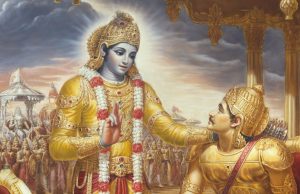
The Wisdom of the Bhagavad Gita
The Bhagavad Gita is an ancient Indian scripture that offers profound insights into karma and dharma. It teaches that our actions should be selfless, performed without attachment to the fruits of our labor. By understanding the principles of karma and dharma, we can transcend the cycle of birth and death and attain spiritual liberation.
Benefits of Following Karma and Dharma
Inner Peace: Living in alignment with karma and dharma brings inner peace and contentment.
Positive Relationships: Our actions shape our relationships with others, leading to harmonious connections.
Spiritual Growth: By adhering to our dharma, we open ourselves to spiritual awakening and enlightenment.
Conclusion
Karma and dharma are powerful forces that shape our lives. By understanding their principles, we can consciously create a better future for ourselves and others. The wisdom of the Bhagavad Gita provides a timeless guide to navigating the path of karma and dharma, leading us towards a life of purpose, meaning, and liberation.
Secondary Keywords
Karma, Dharma, Bhagavad Gita, Righteousness, Duty