====== Aum: A Gateway To Self-realization And Enlightenment ======
Sacred Syllable: A Profound Journey into Self-Discovery
In the realm of spiritual traditions, the sacred syllable holds immense significance, offering a transformative path toward self-realization and enlightenment. Among the most revered of these syllables is “Aum,” a primordial sound believed to encapsulate the essence of the universe.
Unveiling the Meaning of Aum
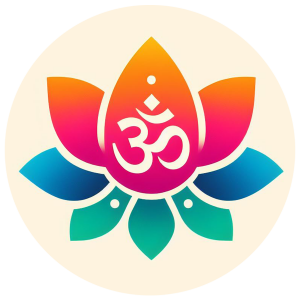
Aum, often represented as “ॐ,” is composed of three distinct sounds: “a,” “u,” and “m.” Each of these sounds carries a profound meaning:
- “a”: Symbolizes creation, the beginning of all things.
- “u”: Represents preservation, the nurturing and sustaining force.
- “m”: Embodies dissolution, the return to the source.
Together, these sounds form a complete cycle of existence, encompassing the entire journey from birth to death and beyond.
The Power of Chanting Aum
Chanting Aum is a sacred practice that has been passed down through generations. It is believed to have numerous benefits, including:
- Calming the Mind: The rhythmic repetition of Aum helps to quiet the mind, reducing stress and anxiety.
- Promoting Concentration: Chanting Aum can enhance focus and concentration, making it an ideal practice for meditation.
- Awakening Spiritual Energy: Aum is believed to activate the kundalini energy, leading to a deeper connection with the divine.
- Facilitating Self-Realization: Through regular chanting, Aum can help individuals connect with their true selves and realize their inner potential.
Aum as a Symbol of Enlightenment
Beyond its physical and mental effects, Aum holds profound spiritual significance. In many traditions, it is considered a symbol of enlightenment, representing the ultimate realization of the unity between oneself and the universe. When chanted with devotion and understanding, Aum can lead to a profound shift in consciousness, allowing individuals to experience the fullness of their being.
Other Sacred Syllables
While Aum is perhaps the most well-known sacred syllable, there are numerous others that hold similar power and meaning. Some notable examples include:
- Om: A variation of Aum, often used in Hindu and Buddhist traditions.
- Amen: A sacred word used in Christianity, Judaism, and Islam, signifying affirmation and acceptance.
- Hallelujah: An exclamation of praise and gratitude, commonly used in Jewish and Christian worship.
- Om Mani Padme Hum: A mantra in Tibetan Buddhism, meaning “The jewel is in the lotus.”
- L’chaim: A Hebrew phrase meaning “To life,” often used as a toast or blessing.
Integrating Sacred Syllables into Your Practice
Sacred syllables can be incorporated into your spiritual practice in various ways. Here are a few suggestions:
- Chant Aum or other sacred syllables during meditation to deepen your connection with the divine.
- Use sacred syllables as affirmations to reinforce positive qualities and intentions.
- Incorporate sacred syllables into your yoga or tai chi practice to enhance your energy flow.
- Write or draw sacred syllables as a form of artistic expression and spiritual exploration.
Embark on Your Sacred Journey
Exploring the sacred syllable is a profound and transformative journey that can lead to self-realization, enlightenment, and a deeper connection with the universe. Whether through chanting, meditation, or other practices, embracing the power of sacred syllables can unlock hidden potential and guide you toward a life of greater meaning and fulfillment.
Secondary Keywords:
Sacred syllable, Aum, Enlightenment, Self-realization, Chanting, Mantra