Sanskrit: The Sacred Language of Hinduism
Sanskrit, an ancient Indo-Aryan language, holds immense significance in Hinduism. It is the language of sacred texts, rituals, and mantras, connecting devotees to the divine. Delve into the rich history, significance, and enduring influence of Sanskrit in Hinduism.
History of Sanskrit
Sanskrit emerged around 1500-1200 BCE from Proto-Indo-Aryan, a branch of the Indo-European language family. It was primarily used by the priestly class, the Brahmins, to compose and preserve religious texts. Over time, Sanskrit became the language of scholarship, philosophy, and literature in ancient India.
Significance in Hinduism
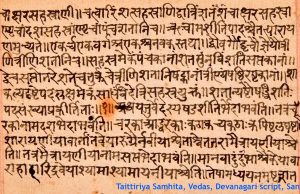
Sacred Language: Sanskrit is considered the “deva bhasha,” the language of the gods. It is believed that the Vedas, the most sacred texts of Hinduism, were revealed to ancient sages in Sanskrit. The language itself is imbued with divine power, and its recitation and study are considered sacred acts.
Vedas: The Vedas, composed in Sanskrit, are the oldest and most revered scriptures in Hinduism. They contain hymns, rituals, and philosophical teachings that form the foundation of Hindu beliefs.
Upanishads: The Upanishads, philosophical treatises attached to the Vedas, delve into the nature of reality, the soul, and the ultimate goal of life. They are known for their profound insights and spiritual wisdom.
Puranas: The Puranas, a vast collection of mythological stories and legends, were written in Sanskrit. They provide insights into Hindu deities, their adventures, and the creation and history of the universe.
Mantras: Mantras, sacred utterances or verses, play a significant role in Hindu rituals and spiritual practices. They are typically recited in Sanskrit and are believed to possess spiritual power and healing properties.
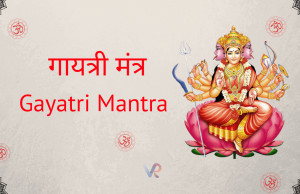
Mantram Gayatri
One of the most famous and revered mantras in Hinduism is the Gayatri Mantra. It is a praise to the Sun god, Savitri, and is traditionally recited at sunrise and sunset. The mantra is considered a powerful tool for spiritual purification and enlightenment.
Enduring Influence
Sanskrit continues to play a vital role in Hinduism today. It is used in religious rituals, ceremonies, and prayers. Scholars and theologians study Sanskrit texts to deepen their understanding of Hindu philosophy and spirituality. The language also inspires contemporary art, literature, and music, ensuring its enduring legacy.
Conclusion
Sanskrit, the sacred language of Hinduism, has shaped the faith and culture of India for centuries. Its rich history, profound significance, and enduring influence make it an essential aspect of understanding the depth and beauty of this ancient religion.
Secondary Keywords
- Vedic Sanskrit
- Classical Sanskrit
- Hindu scriptures
- Sacred Sanskrit mantras
- Indian languages