
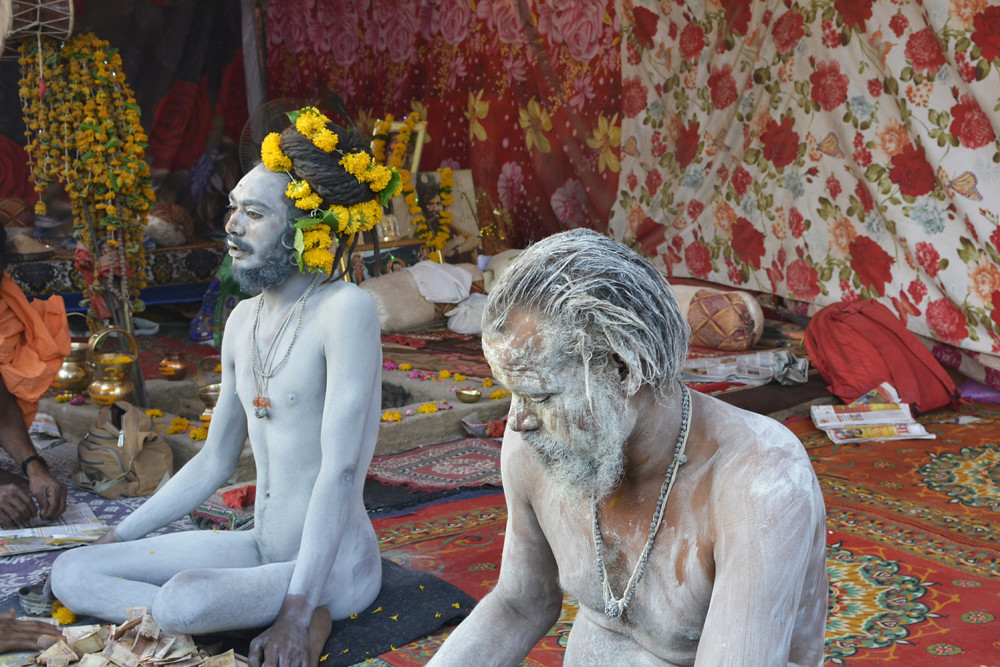
The Himalayan landscape, with its towering peaks, pristine glaciers, and lush valleys, has long been a spiritual haven. This is the land where the Naga Sadhus, a fascinating and enigmatic group of Hindu ascetics, roam freely.
The Naga Sadhus, often referred to as “naked” or “fire” Sadhus, are known for their striking ochre robes, long matted hair, and the striking tilak markings they wear on their foreheads. Their lifestyle is one of intense devotion and asceticism, often characterized by extreme physical practices, rituals, and a profound connection with nature.
Origins and History: Tracing the Roots of the Naga Sadhus
The origins of the Naga Sadhus can be traced back to ancient Hindu scriptures, particularly to Shaivism, the worship of the Hindu deity Shiva. They are believed to be followers of the deity Vishwanath, another name for Shiva, who is often depicted as an ascetic.
The Naga Sadhus have been revered for centuries as men who have renounced worldly possessions and pursuits to dedicate themselves to spiritual enlightenment. Their practices are often linked to Tantric traditions, which emphasize the use of ritual and meditation to access higher states of consciousness.
Lifestyle and Practices: A Life of Asceticism and Devotion
The Naga Sadhus embrace a life of self-denial and rigorous practices, aimed at transcending physical and mental limitations. Their practices include:
- Yoga and Meditation: Naga Sadhus are known for their mastery of yoga postures and meditation techniques, which they use to purify the body and mind.
- Fire Rituals: Fire plays a significant role in their rituals, often representing the purifying power of Shiva.
- Extreme Endurance: They often engage in extreme physical practices, including long periods of fasting, exposure to harsh elements, and the use of fire.
- Pilgrimage: Naga Sadhus are often found on pilgrimage, traveling to sacred sites across India, particularly to the Himalayas. Learn more about Himalayan Yoga
The Significance of the Himalayas: A Sacred Landscape of Spiritual Pursuit
The Himalayas, with their majestic peaks and rugged terrain, hold a special significance in Hindu mythology and spirituality. They are often referred to as the abode of gods, and many sacred rivers and temples are located in this region.
For the Naga Sadhus, the Himalayas represent a sacred landscape where they can connect with the divine and transcend the limitations of the physical world. Their spiritual practices are deeply intertwined with the natural environment, as they strive to find enlightenment in the presence of nature’s grandeur.
The Kumbh Mela and the Naga Sadhus: A Gathering of Devotees
One of the most significant gatherings of Hindu devotees is the Kumbh Mela, a massive religious festival held in India every twelve years. The Kumbh Mela is a pilgrimage site where millions of people come together to bathe in sacred rivers and engage in spiritual practices.
The Naga Sadhus are a prominent presence at the Kumbh Mela, often participating in elaborate rituals and processions. Their presence adds a unique and mystical element to this already grand celebration of faith.
The Controversies Surrounding the Naga Sadhus: Debates on Modernity and Tradition
While the Naga Sadhus have been revered for centuries, their practices and beliefs have also sparked debate. Some argue that their practices are archaic and outdated, while others view them as a vital part of India’s cultural heritage.
One of the most significant debates concerns the use of drugs, such as cannabis, in their rituals. Some proponents argue that these substances help them achieve altered states of consciousness and deepen their spiritual connection. However, others criticize the use of drugs, seeing it as a form of indulgence rather than a genuine spiritual practice.
Respect and Understanding: A Call for Empathy and Appreciation
Despite the controversies surrounding the Naga Sadhus, it’s essential to approach them with respect and understanding. Their practices and beliefs are deeply rooted in ancient Hindu traditions, and they represent a unique and fascinating aspect of India’s cultural landscape.
Rather than judging their practices, we should attempt to understand the motivations behind their spiritual pursuits. Their dedication to asceticism, their profound connection with nature, and their commitment to finding enlightenment deserve our respect.
The Enduring Legacy of the Naga Sadhus
The Naga Sadhus, with their austere lifestyle and unwavering devotion, remain a captivating enigma. Their presence in the Himalayas continues to inspire awe and wonder in those who encounter them. They are a reminder that spirituality can take many forms, and that the pursuit of enlightenment is a journey of self-discovery and transformation.
Despite the controversies surrounding their practices, the Naga Sadhus continue to hold a special place in the hearts and minds of many. They are a testament to the enduring power of faith and the enduring legacy of ancient traditions.