The Elephant in Hinduism
The elephant, with its towering presence and gentle nature, holds a revered position in Hinduism. From ancient scriptures to modern-day rituals, elephants are integral to Hindu mythology, symbolism, and religious practices. Here’s an exploration of the elephant’s role in Hinduism:
Ganesha: The Elephant-Headed God
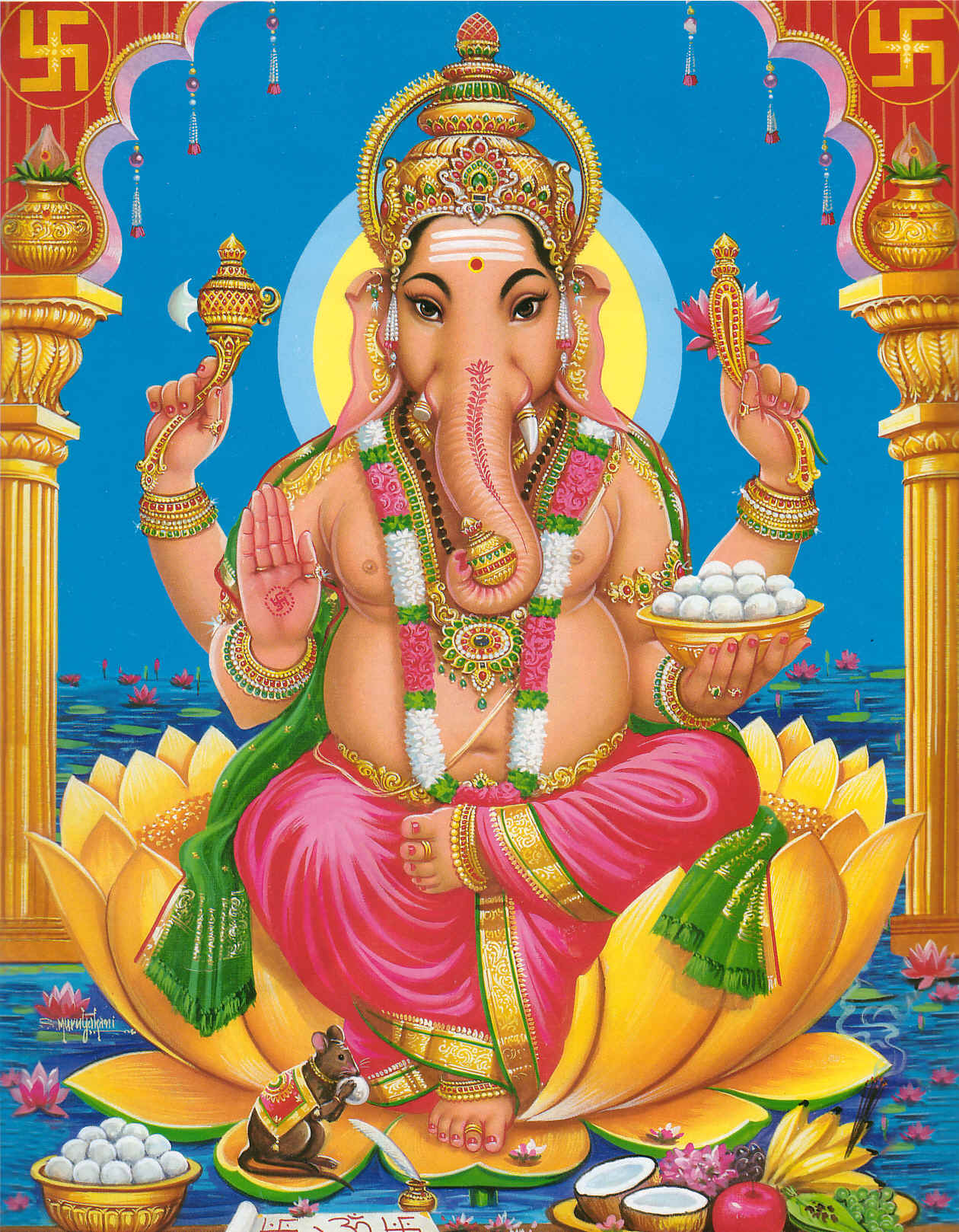
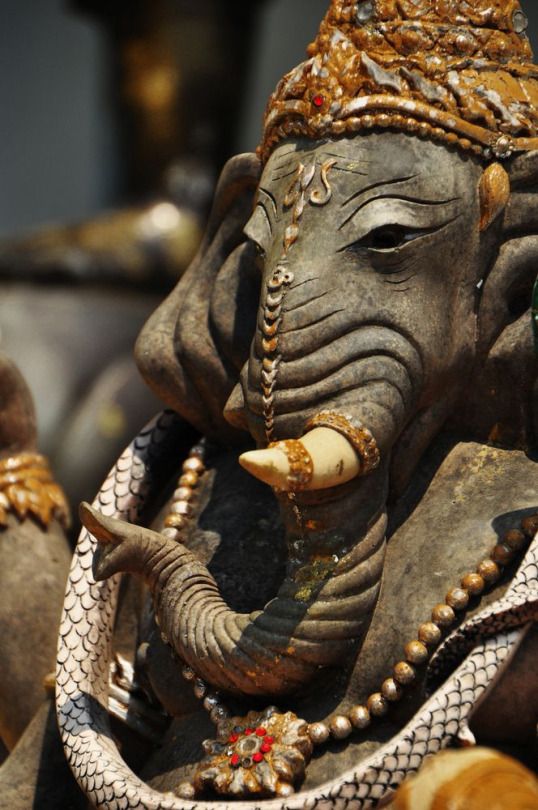
One of the most beloved and widely worshipped deities in Hinduism is Ganesha, the elephant-headed god. Legends narrate how Ganesha’s head was replaced by that of an elephant after his father Shiva accidentally beheaded him. Ganesha is known as the Remover of Obstacles, the patron of arts and sciences, and the bringer of prosperity and wisdom. His wide belly, large ears, and single tusk are iconic symbols of this benevolent god.
Airavata: Indra’s Divine Elephant
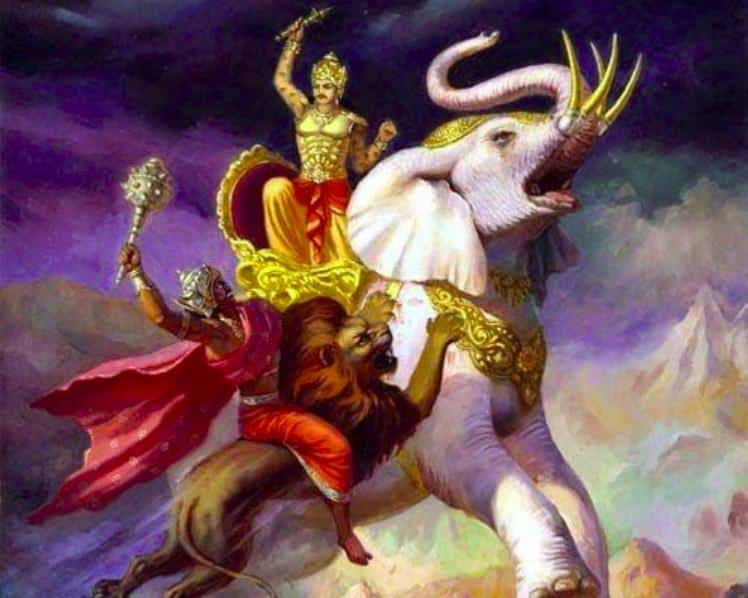
Airavata, a magnificent white elephant with four tusks, is the sacred mount of Indra, the king of the gods. It is said to have emerged from the churning of the cosmic ocean during the creation of the universe. Airavata represents strength, majesty, and intelligence. Depictions of Airavata often adorn Hindu temples and palaces.
Symbolic Significance
Elephants symbolize wisdom, strength, stability, and prosperity in Hinduism. Their large size and intelligence have made them revered as symbols of royalty and power. In addition, elephants are considered auspicious animals, and their presence is believed to bring blessings and good fortune.
Religious Practices
Elephants are held in high regard in various Hindu religious practices. The worship of Ganesha is particularly popular, with his devotees offering prayers, food, and flowers. Elephants are also used in religious processions and festivals, where they are adorned with colorful decorations and carry sacred objects.
Cultural Legacy
The elephant’s presence extends beyond religious practices into the cultural realm of Hinduism. In Indian art, literature, and dance, elephants feature prominently. They are often depicted as symbols of strength, wisdom, and auspiciousness. In some parts of India, elephants are still revered in folk traditions and local festivals.
Conservation and Significance
In recent times, the importance of elephant conservation has gained prominence in Hinduism. The decline in elephant populations due to poaching and habitat loss has raised awareness about the need to protect these gentle giants. Many Hindu organizations and individuals are actively involved in elephant conservation initiatives, recognizing the animal’s sacred status and its vital role in the ecosystem.
Conclusion
The elephant holds a profound place in Hinduism, both as a symbol and as a revered animal. From the beloved Ganesha to the majestic Airavata, elephants embody wisdom, strength, stability, and auspiciousness. Their presence in Hindu mythology, religious practices, and cultural heritage reflects the deep connection between Hinduism and the natural world. As protectors of these gentle giants, Hindus continue to play a vital role in ensuring the preservation of elephants for generations to come.## The Role Of The Elephant In Hinduism: From Ganesha To Airavata
Executive Summary
The elephant holds a significant place in Hindu mythology and symbolism, representing wisdom, strength, and auspiciousness. From the revered deity Ganesha to the majestic mount of Indra, Airavata, the elephant is deeply entwined with Hindu beliefs and practices. This article explores the multifaceted role of the elephant in Hinduism, delving into its mythological origins, symbolic meanings, and cultural significance.
Introduction
In the tapestry of Hindu mythology, the elephant occupies a prominent position, embodying divine attributes and serving as a symbol of strength, prosperity, and wisdom. From the beloved elephant-headed god Ganesha to the formidable mount of Indra, Airavata, elephants have played an integral role in shaping Hindu beliefs and practices. This article aims to shed light on the significance of the elephant in Hinduism, examining its mythological origins, symbolic meanings, and cultural impact.
FAQs
-
What is the significance of Ganesha in Hinduism?
Ganesha, the elephant-headed god, is revered as the remover of obstacles and the patron of beginnings. He is worshipped before any significant undertaking, seeking his blessings for success and prosperity. -
What role does Airavata play in Hindu mythology?
Airavata, the majestic white elephant, is the mount of Indra, the king of the gods. He represents strength, power, and the ability to overcome obstacles. -
How is the elephant associated with wisdom in Hinduism?
The elephant’s large head and keen intelligence have made it a symbol of wisdom and knowledge. In Hindu mythology, the elephant is associated with the god of wisdom, Brihaspati.
Mythological Origins
Ganesha: In Hindu mythology, Ganesha’s origins are traced to the goddess Parvati. She created Ganesha from clay as a playful companion, and Shiva, her husband, blessed the child with the head of an elephant, granting him immense wisdom and the power to remove obstacles.
Airavata: Airavata was born during the churning of the ocean of milk, along with other divine beings and objects. He was claimed by Indra, who made him his mount and the guardian of the four directions.
Symbolic Meanings
Strength and Power: The elephant’s immense size and strength have made it a symbol of both physical and spiritual power. It represents the ability to overcome obstacles and achieve victory.
Auspiciousness: Elephants are considered highly auspicious in Hinduism. Their presence is believed to bring good luck and prosperity. They are often used in ceremonial processions and religious festivals.
Wisdom and Knowledge: The elephant’s large head and keen intelligence have led to its association with wisdom and knowledge. It symbolizes the ability to discern truth, understand complex concepts, and make sound decisions.
**Cultural Significance
Artistic Depictions: Elephants are commonly depicted in Hindu art and sculpture. Ganesha is often portrayed with an elephant’s head and a plump human body, while Airavata is depicted as a majestic white elephant with multiple trunks.
Religious Festivals: Elephants play a significant role in Hindu festivals. During the festival of Ganesh Chaturthi, devotees worship Ganesha and make offerings of sweets and flowers. In the festival of Indra, Airavata is celebrated as the mount of Indra and is adorned with colorful decorations.
Symbol of Kingship: In ancient India, the elephant was associated with royalty and kingship. Kings often rode elephants in grand processions, symbolizing their power and authority.
Conclusion
The elephant holds a profound significance in Hinduism, embodying divine attributes and representing wisdom, strength, and auspiciousness. From the beloved Ganesha to the majestic Airavata, elephants have played an integral role in shaping Hindu beliefs and practices. Their presence in Hindu mythology, symbolism, and cultural traditions reflects the deep reverence and admiration accorded to these magnificent creatures. Understanding the role of the elephant in Hinduism provides a deeper insight into the rich tapestry of this ancient and vibrant religion.
Keyword Tags
- Hindu mythology
- Elephant symbolism
- Ganesha
- Airavata
- Wisdom
- Strength
- Auspiciousness