
The Hindu Concept Of Kama: Understanding Love, Desire, And Sensuality
Executive Summary
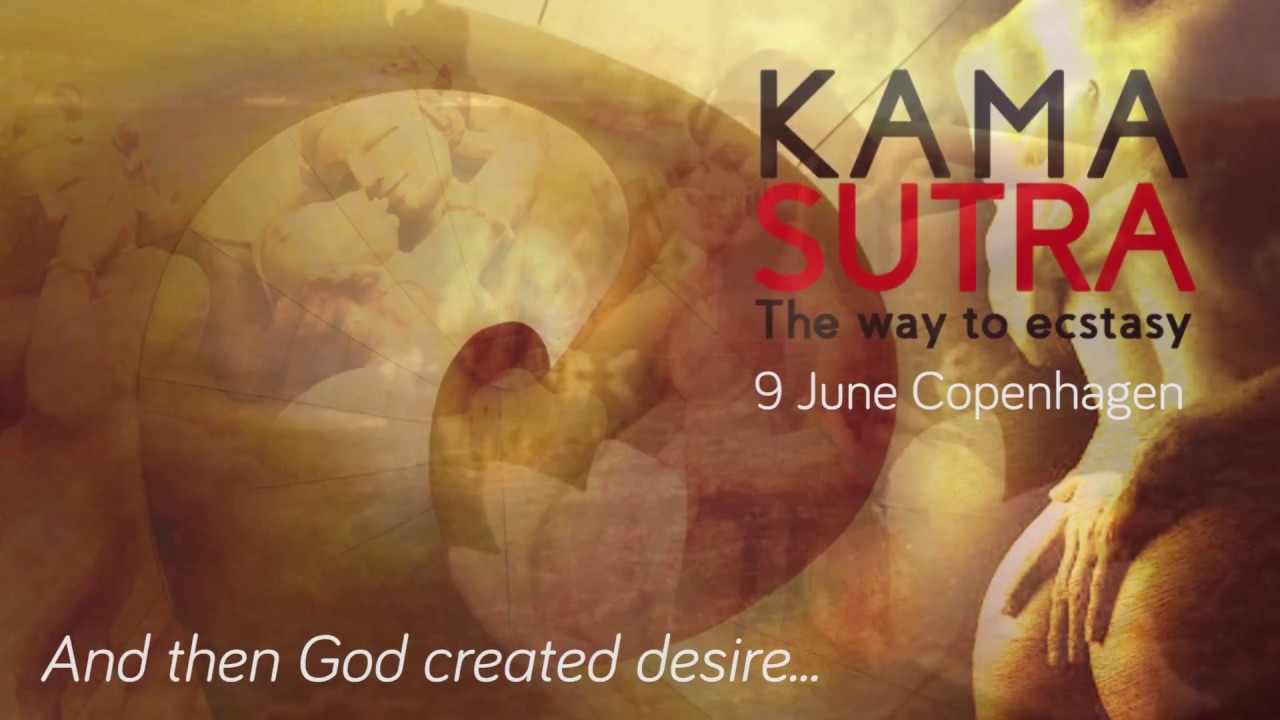
Kama is a multifaceted concept in Hinduism that encapsulates love, desire, and sensuality. It is considered one of the four primary goals of human life, alongside dharma (righteousness), artha (wealth), and moksha (liberation). This article explores the Hindu understanding of kama, its various aspects, and how it contributes to a harmonious and fulfilling life.
Introduction
Kama is often portrayed as the god of love and desire, depicted with a bow and arrow, ready to pierce hearts and ignite passions. However, the Hindu concept of kama goes beyond romantic love and physical pleasure. It encompasses the entire spectrum of human emotions, from the most sensual to the most spiritual.
FAQs
Q: Is kama inherently sinful or immoral?
A: No, kama is not inherently sinful or immoral. It is a natural and essential part of human experience. However, like any other aspect of life, it must be balanced and not pursued in excess.
Q: How does kama relate to other goals of life?
A: Kama is considered complementary to the other three goals of human life (dharma, artha, and moksha). While dharma provides the moral framework, artha secures material well-being, and moksha leads to spiritual liberation, kama adds joy, fulfillment, and a sense of wholeness to life.
Q: Is it possible to achieve moksha while pursuing kama?
A: Yes, it is possible to reconcile kama with the pursuit of moksha. When kama is experienced in moderation and within the bounds of morality, it can become a source of pleasure and vitality that supports spiritual growth.
Subtopics and Key Points
Types of Kama
- Raga: Romantic or erotic love between partners
- Prema: Pure and selfless love, often associated with divine devotion
- Kama: Physical desire and sensual pleasure
- Artha: Material wealth and possessions
- Dharma: Righteousness and ethical conduct
The Four Padas of Kama
- Svabhava: One’s natural inclination or desires
- Vihaya: Sexual expression in a controlled and ethical manner
- Pravriti: Propagation of species through procreation
- Nirodha: Cessation of desire, leading to spiritual liberation
Kama and Dharma
- Kama should be pursued in accordance with dharma (righteousness).
- Dharma provides the ethical guidelines for experiencing kama without causing harm to oneself or others.
- Balanced pursuit of kama within the bounds of dharma leads to harmony and fulfillment.
Kama and the Senses
- Kama is primarily experienced through the senses.
- Sense gratification can provide pleasure and joy, but it should not become an obsession.
- Moderation and control of the senses are essential for maintaining balance in life.
Kama and Spirituality
- Kama can be a path to spiritual growth when experienced in a mindful and non-attached way.
- Through kama, we can learn about our true nature and cultivate a deep connection to the divine.
- Pure love, devotion, and selfless service are expressions of kama that lead to spiritual liberation.
Conclusion
Kama is an integral part of human nature and a fundamental aspect of Hindu philosophy. By understanding the different types of kama, its relationship to other goals of life, and its potential for both pleasure and spiritual growth, we can cultivate a healthy and balanced approach to this multifaceted concept. Embracing kama with wisdom and moderation allows us to experience the fullness of life and contribute to the well-being of both ourselves and others.
Keyword Tags
- Hindu philosophy
- Kama
- Love
- Desire
- Sensuality
- Dharma
- Spirituality