
The Significance of Guru Purnima: Celebrating the Importance of Spiritual Teachers
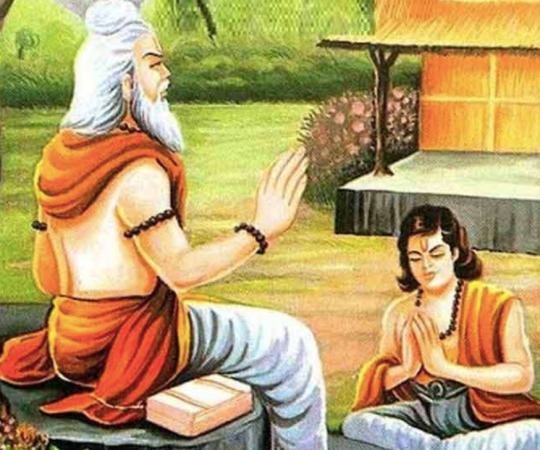
Guru Purnima, a revered festival in the Hindu tradition, is celebrated on the full moon day of Ashadha (June-July) to commemorate the profound role of spiritual teachers (gurus) in one’s spiritual journey. It is a time to express gratitude for the wisdom, guidance, and mentorship provided by gurus, who are considered as embodiments of divinity and dispellers of darkness.
The term “guru” is derived from Sanskrit, meaning “remover of darkness.” Gurus are believed to be divine beings who illuminate the path towards enlightenment by imparting spiritual knowledge and guiding their disciples towards self-realization. They are not merely teachers of religion or philosophy but are revered as guides who help individuals transcend their limitations and connect with their true inner selves.
Origins and Significance:
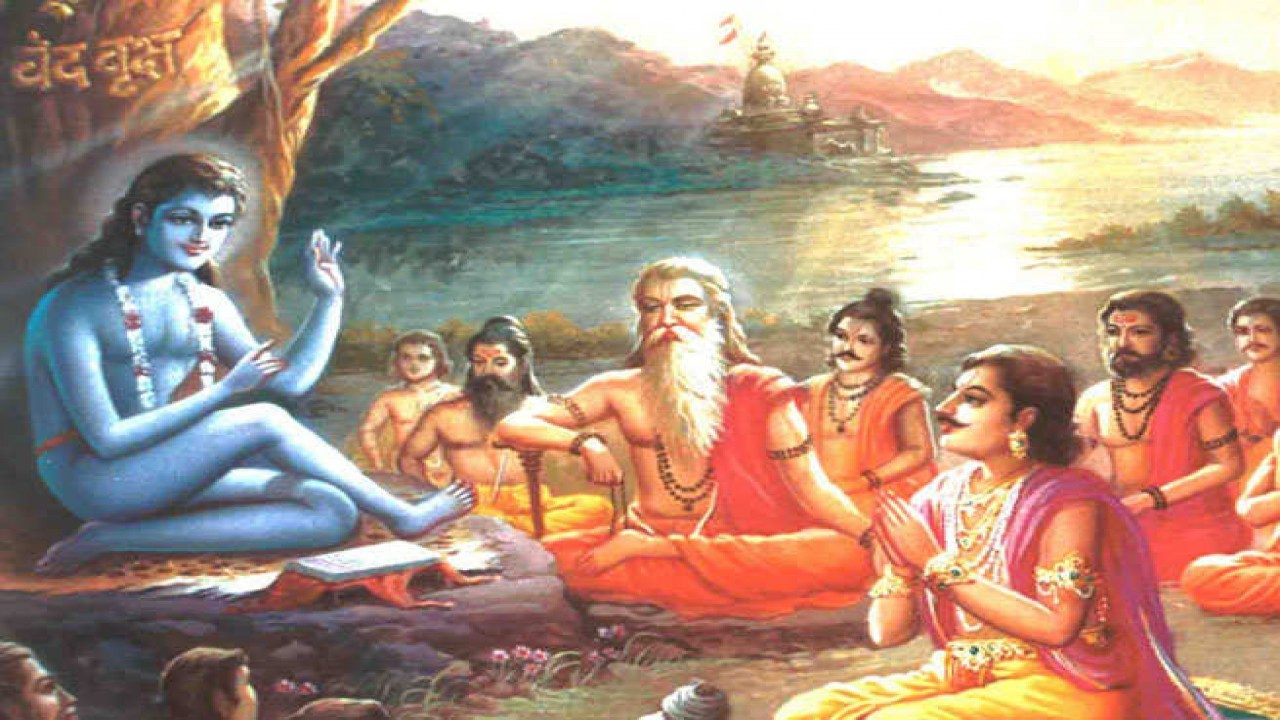
Guru Purnima traces its origins to the legendary sage Vyasa, who is credited with compiling the Vedas, the ancient Hindu scriptures. According to tradition, on this day, Vyasa completed his monumental task and his disciples paid their respects by offering him fruits and flowers. Over time, this practice evolved into the annual celebration of Guru Purnima.
The festival holds immense significance for spiritual seekers and disciples from all walks of life. It is a time for introspection, meditation, and the renewal of one’s commitment to their spiritual path. Devotees express their gratitude to their gurus and seek their blessings for continued guidance and wisdom.
Rituals and Observances:
On Guru Purnima, devotees typically engage in various rituals and observances to honor their teachers:
- Paduka Puja: Disciples worship the symbolic slippers (padukas) of their gurus as a symbol of their reverence and respect.
- Puja and Arati: Devotees offer prayers and perform arati, a ritual of waving lighted lamps, to their gurus or to images representing them.
- Guru Charitra: The stories of exemplary gurus and their teachings are read and recited to inspire and motivate spiritual seekers.
- Pada Puja: Disciples wash and massage the feet of their gurus as a gesture of humility and servitude.
- Darshan: Devotees seek the blessing of their gurus by receiving their darshan, which means seeing the divine in them.
Benefits of Honoring Gurus:
Honoring spiritual teachers on Guru Purnima is believed to bring numerous benefits to individuals, including:
- Increased wisdom and spiritual knowledge
- Enhanced self-awareness and self-realization
- Purification of mind and body
- Removal of obstacles and challenges
- Protection from negative influences
- A deepened connection with the divine
Conclusion:
Guru Purnima is a significant festival that celebrates the profound role of spiritual teachers in guiding individuals towards enlightenment. By honoring their gurus, devotees express their gratitude for the wisdom, guidance, and love they receive. The rituals and observances associated with this festival serve to inspire, motivate, and deepen the connection between spiritual seekers and their mentors. Through the grace of their gurus, individuals can transcend their limitations and experience the ultimate realization of self-realization and divine connection.## The Significance Of Guru Purnima: Celebrating The Importance Of Spiritual Teachers
Executive Summary
Guru Purnima, an auspicious day celebrated in July, holds immense significance within the spiritual traditions of Hinduism, Buddhism, and Sikhism. It is a day dedicated to honoring and expressing gratitude towards spiritual teachers, known as gurus. This article delves into the profound meaning of Guru Purnima, exploring its historical origins, sacred rituals, and the transformative role of spiritual teachers in guiding individuals towards spiritual enlightenment.
Introduction
Guru Purnima, also known as Vyasa Purnima, marks the full moon day in the month of Ashadha, which typically falls in July. The festival is believed to have originated during the time of the great sage Vyasa, who is revered as the author of the sacred Hindu epic, the Mahabharata. Guru Purnima is a day when individuals pay homage to their spiritual teachers, acknowledging their invaluable guidance and wisdom that illuminate the path towards self-realization and liberation.
FAQs
1. What is the significance of Guru Purnima?
Guru Purnima is a day dedicated to honoring and expressing gratitude towards spiritual teachers, who play a vital role in guiding individuals on their spiritual journey.
2. Why is Guru Purnima celebrated on a full moon?
The full moon is considered a sacred and auspicious time in many spiritual traditions, and it is believed that the energy of the full moon amplifies the power of spiritual practices and rituals.
3. What are some common ways to celebrate Guru Purnima?
Traditionally, Guru Purnima is celebrated by offering prayers, performing rituals, and expressing gratitude to one’s spiritual teacher. Individuals may also engage in meditation, chanting, and other spiritual practices to honor the occasion.
Subtopics
The Role of Gurus in Spiritual Traditions
Gurus, or spiritual teachers, hold a profound position in various spiritual traditions. They are seen as enlightened beings who have realized the ultimate truth and possess the knowledge and wisdom to guide others along the path of spiritual evolution. Gurus play a pivotal role in:
- Imparting Spiritual Knowledge: Gurus transmit spiritual teachings, philosophies, and practices to their disciples, helping them to understand the nature of reality, the purpose of human existence, and the path to liberation.
- Providing Guidance and Support: Gurus offer personalized guidance and support to their disciples, helping them to navigate the challenges and obstacles that arise on the spiritual path.
- Empowering Disciples: Gurus empower their disciples by teaching them spiritual techniques and practices that enable them to connect with their inner wisdom and experience spiritual growth.
- Inspiring and Motivating: Gurus serve as role models and sources of inspiration, motivating their disciples to strive for spiritual excellence and to embody the qualities of compassion, wisdom, and love.
Historical Origins of Guru Purnima
Guru Purnima has its origins in ancient India. It is believed that the festival was first celebrated by Vyasa, the revered sage who compiled the Mahabharata and other sacred texts. Vyasa chose the full moon day in the month of Ashadha to pay homage to his guru, Rishi Ved Vyasa. Over time, the festival evolved into a day of universal significance, where individuals honored their spiritual teachers and expressed gratitude for their guidance.
Sacred Rituals and Practices
Guru Purnima is celebrated with various sacred rituals and practices:
- Guru Puja: The central ritual of Guru Purnima is Guru Puja, where individuals offer prayers, flowers, and other offerings to their spiritual teachers, expressing their devotion and gratitude.
- Chanting and Meditation: Devotees engage in chanting mantras and performing meditation practices to honor the occasion and to connect with the divine energy of their gurus.
- Sacred Bathing: Many individuals take a ritual bath in holy rivers or sacred lakes, symbolizing purification and the washing away of impurities.
- Vedic Recitations: Vedic scholars recite sacred hymns and scriptures, invoking the blessings of the divine and honoring the lineage of spiritual teachers.
The Transformative Power of Spiritual Teachers
Spiritual teachers play a transformative role in the lives of their disciples:
- Awakening Inner Wisdom: Gurus help individuals to awaken their inner wisdom and to realize their true potential for spiritual growth and development.
- Inspiring Self-Transformation: Through their teachings and guidance, gurus inspire their disciples to make positive changes in their lives and to embark on a journey of self-transformation.
- Facilitating Enlightenment: The ultimate goal of a spiritual teacher is to guide their disciples towards the realization of enlightenment, the ultimate state of liberation and divine connection.
- Establishing a Spiritual Lineage: Spiritual teachers establish a lineage of wisdom and knowledge, passing on their teachings and practices to future generations.
Celebrating Guru Purnima in the Modern World
In the modern world, Guru Purnima continues to be celebrated with great devotion and enthusiasm. Individuals from all walks of life come together to honor their spiritual teachers and to reflect on the significance of their guidance. Guru Purnima serves as a reminder of the importance of spiritual wisdom, the transformative power of spiritual practices, and the profound impact that spiritual teachers have on our lives.
Conclusion
Guru Purnima is a festival that celebrates the invaluable role of spiritual teachers in guiding individuals towards self-realization and ultimate liberation. It is a day to pause, reflect, and express gratitude for the wisdom, guidance, and support that gurus provide. By honoring our spiritual teachers, we not only acknowledge their contributions but also reaffirm our commitment to the path of spiritual growth and enlightenment.
Keyword Tags
- Guru Purnima
- Spiritual Teachers
- Hinduism
- Buddhism
- Sikhism