
The Hindu Concept of Tapas: Cultivating Self-Discipline and Spiritual Austerity
Tapas, originating from the Sanskrit root “tap,” meaning “to burn,” is a profound concept in Hinduism that encompasses self-discipline, austerity, and purification. It is a path of rigorous practices aimed at cultivating inner strength, purifying the mind and body, and ultimately transcending earthly desires.
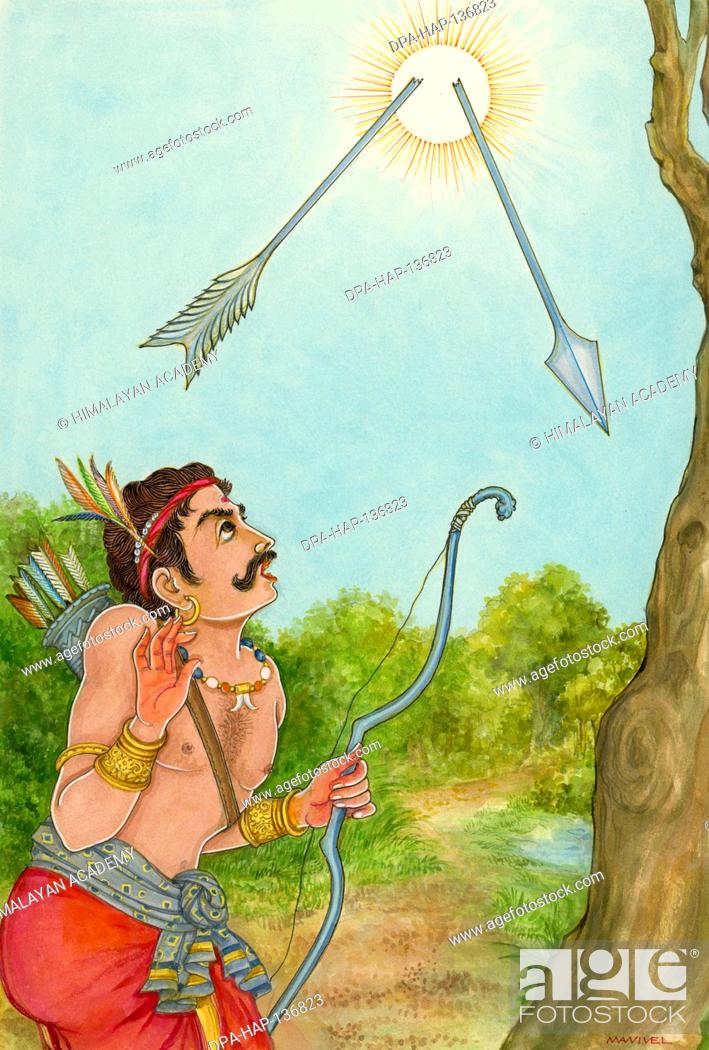
Etymology and Significance

The word “tapas” has a wide range of meanings, including heat, penance, self-sacrifice, and meditation. It is often translated as “austerity” but encompasses a broader spectrum of practices. Tapas is not simply about causing oneself physical pain or discomfort; rather, it is about transforming and refining the self through conscious effort and sacrifice.
Types of Tapas
In the Hindu tradition, tapas is classified into three main categories:
- Kaya Tapas (Physical Austerity): This involves subjecting the body to physical challenges, such as fasting, celibacy, and extreme postures.
- Vacha Tapas (Speech Austerity): This entails controlling one’s speech, abstaining from gossip, foul language, and dishonesty.
- Manas Tapas (Mental Austerity): This involves disciplining the mind, cultivating virtues, and controlling negative thoughts and desires.
Benefits of Tapas
Practicing tapas is believed to bring numerous benefits, including:
- Increased Self-Discipline: Tapas strengthens the will and promotes self-control, enabling practitioners to overcome distractions and temptations.
- Purification of the Body and Mind: Austerities purify the physical body from toxins and the mind from thoughts and emotions that obstruct spiritual growth.
- Cultivation of Virtues: Tapas helps to develop courage, patience, humility, and other positive qualities that are essential for spiritual advancement.
- Attainment of Spiritual Power: Through rigorous practice, tapas can lead to the acquisition of siddhis (supernatural powers) and the ability to control the senses.
- Moksha (Liberation): Ultimately, tapas is a means of breaking free from the cycle of birth and death and achieving moksha, the state of eternal bliss.
Practical Applications
Tapas can be incorporated into daily life in various ways:
- Regular Prayer and Meditation: Establishing a daily routine of prayer and meditation cultivates inner discipline and connection with the divine.
- Discipline in Diet: Observing dietary restrictions, such as fasting or following a vegetarian diet, purifies the body and promotes mental clarity.
- Control of the Senses: Practicing sense restraint by limiting exposure to excessive stimuli and avoiding harmful substances strengthens the mind.
- Charity and Service: Engaging in selfless acts of service to others purifies the heart and promotes compassion.
Conclusion
Tapas is a vital aspect of the Hindu spiritual tradition that encourages self-discipline, purification, and spiritual growth. By embracing austerities and challenging oneself, practitioners strive to overcome their limitations, develop inner strength, and ultimately realize the highest goal of moksha. Tapas is not a quick or easy path, but it is a transformative journey that leads to profound personal and spiritual transformation.## The Hindu Concept Of Tapas: Cultivating Self-discipline And Spiritual Austerity
Executive Summary
Tapas, a central concept in Hinduism, emphasizes self-discipline, austerity, and intense spiritual practices to purify the mind, body, and spirit. This ancient practice has profound implications for personal growth and spiritual evolution. By embracing the principles of Tapas, individuals can cultivate inner strength, develop higher awareness, and attain spiritual liberation.
Introduction
Tapas, meaning “heat” or “ardor,” is a fundamental concept in Hinduism that encompasses a wide range of spiritual practices aimed at purification, transformation, and spiritual enlightenment. It involves rigorous self-discipline, austerity, and intense physical, mental, and emotional exercises designed to purify the mind, body, and spirit, leading to a deeper connection with the divine.
FAQ
-
Q: What are the benefits of practicing Tapas?
-
A: Tapas helps individuals cultivate self-discipline, develop inner strength, purify their minds and bodies, experience higher awareness, and connect deeply with the divine.
-
Q: How can Tapas be practiced?
-
A: Tapas can be practiced through various methods, including physical austerities (e.g., fasting, celibacy), mental exercises (e.g., meditation, study), and selfless service (e.g., charity, helping others).
-
Q: Is Tapas necessary for spiritual growth?
-
A: Tapas is considered an essential component of spiritual growth in Hinduism, as it helps individuals overcome obstacles, purify their karmas, and prepare for higher spiritual experiences.
Subtopics of Tapas
Physical Austerities
- Fasting: Abstinence from food for extended periods to discipline the body and mind.
- Celibacy: Refraining from sexual activity to conserve energy and focus on spiritual pursuits.
- Pilgrimage: Undertaking long and arduous journeys to sacred sites for spiritual purification.
- Extreme body postures: Holding uncomfortable positions for prolonged periods to develop endurance and mental strength.
- Exposure to extreme elements: Subjecting oneself to heat, cold, or other harsh conditions to test physical and mental limits.
Mental Exercises
- Meditation: Practicing deep concentration and introspection to calm the mind and access higher levels of consciousness.
- Study of sacred texts: Reading and contemplating religious scriptures to gain spiritual knowledge and insights.
- Chanting of mantras: Repetitive chanting of sacred sounds to purify the mind and connect with the divine.
- Visualization: Guided meditation techniques that involve visualizing deities, symbols, or spiritual concepts to deepen spiritual experiences.
- Self-inquiry: Introspective questioning and contemplation to explore one’s true nature and purpose.
Selfless Service
- Charity: Giving to those in need without expecting anything in return to cultivate compassion and detachment.
- Helping others: Volunteering time and resources to assist those in difficulty, fostering empathy and service to humanity.
- Environmental stewardship: Caring for the natural world and promoting sustainability to demonstrate respect for all beings.
- Animal welfare: Showing compassion and empathy towards animals, recognizing their inherent value and sacredness.
- Preserving tradition: Maintaining cultural and religious traditions that promote spiritual well-being and societal harmony.
Conclusion
Tapas is a profound spiritual practice that has been central to Hinduism for centuries. By embracing the principles of self-discipline, austerity, and intense spiritual practices, individuals can purify their minds, bodies, and spirits, cultivate inner strength, develop higher awareness, and experience a deeper connection with the divine. Through the practice of Tapas, we can transcend limitations, overcome obstacles, and evolve spiritually towards a state of enlightenment and liberation.
Keyword Tags
- Tapas
- Hinduism
- Self-Discipline
- Spiritual Austerity
- Spiritual Growth