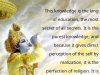
Living A Balanced Life: Lessons From The Bhagavad Gita
The Bhagavad Gita is an ancient Indian scripture that is part of the epic poem Mahabharata. It is a dialogue between the warrior Arjuna and the god Krishna, and it contains teachings on a wide range of topics, including dharma, karma, and the nature of the self.
In the Gita, Krishna tells Arjuna that the key to a successful and fulfilling life is to live in balance. This means balancing the different aspects of our lives, such as our work, relationships, and spiritual growth. When we are in balance, we are able to live in harmony with ourselves and with the world around us.
There are many different ways to achieve balance in our lives. Some people find that it helps to practice yoga or meditation. Others find that it helps to spend time in nature or to connect with their loved ones. Whatever we choose to do, the important thing is to find something that helps us to feel grounded and centered.
When we are in balance, we are better able to handle the challenges that life throws our way. We are less likely to get stressed or overwhelmed, and we are more likely to be able to find solutions to our problems. We are also more likely to be happy and fulfilled, and to live a long and healthy life.
Here are some specific lessons from the Bhagavad Gita that can help us to live a more balanced life:
- Do your duty. The Gita teaches us that we have a duty to perform our work in the world. This does not mean that we should work ourselves to the bone, but it does mean that we should do our best to contribute to the world in a positive way.
- Be attached to the outcome of your actions. The Gita teaches us that we should not be attached to the outcome of our actions. This does not mean that we should not care about the results of our actions, but it does mean that we should not let our happiness or unhappiness depend on them.
- Be equanimous. The Gita teaches us that we should be equanimous in the face of both good and bad fortune. This does not mean that we should not experience emotions, but it does mean that we should not let our emotions control us.
- Remember your true self. The Gita teaches us that we are all divine beings. We are not our bodies or our minds, but we are eternal souls. When we remember our true self, we are able to live a more balanced and fulfilling life.
Living a balanced life is not always easy, but it is worth it. When we are in balance, we are able to live in harmony with ourselves and with the world around us. We are less likely to get stressed or overwhelmed, and we are more likely to be happy and fulfilled.## Living A Balanced Life: Lessons From The Bhagavad Gita
Executive Summary
The Bhagavad Gita is an ancient Indian scripture that offers profound wisdom on how to live a balanced and fulfilling life. This article explores key lessons from the Bhagavad Gita that can help individuals navigate the complexities of life, achieve inner peace, and live a life of purpose.
Introduction
In today’s fast-paced world, achieving a sense of balance and well-being can be a daunting task. The Bhagavad Gita, a timeless spiritual text, provides invaluable guidance on how to live a life that is both meaningful and fulfilling. Through its teachings on duty, detachment, and self-realization, the Bhagavad Gita offers a roadmap for living a balanced and harmonious life.
FAQs
-
What is the central message of the Bhagavad Gita?
The Bhagavad Gita teaches us to perform our duties without attachment to the outcome, while cultivating inner peace and equanimity.
-
How can the Bhagavad Gita help me achieve a balanced life?
The Bhagavad Gita provides guidance on how to navigate our responsibilities, relationships, and inner struggles, helping us to find equilibrium amidst life’s challenges.
-
Is the Bhagavad Gita only relevant to Hindus?
While rooted in Hindu tradition, the principles of the Bhagavad Gita transcend religious boundaries and offer universal lessons for all who seek a more balanced and meaningful life.
Top Subtopics
1. Duty and Detachment (Karma Yoga)
- Definition: Karma Yoga refers to the practice of performing one’s duties selflessly, without expecting rewards or being attached to the outcomes.
- Key Points:
- Focus on the actions, not the results.
- Act with integrity and excellence, even in difficult situations.
- Surrender the fruits of our labor to a higher power.
2. Renunciation and Attachment (Bhakti Yoga)
- Definition: Bhakti Yoga emphasizes the path of devotion and surrender to God or a divine being.
- Key Points:
- Cultivate love and devotion towards a higher power.
- Let go of material desires and attachments.
- Find solace and meaning in spiritual practices.
3. Knowledge and Wisdom (Jnana Yoga)
- Definition: Jnana Yoga focuses on acquiring wisdom and understanding the true nature of reality.
- Key Points:
- Seek knowledge through study, introspection, and self-inquiry.
- Discern between the real and the unreal.
- Cultivate a clear and unbiased mind.
4. Mindfulness and Equanimity (Raja Yoga)
- Definition: Raja Yoga is the practice of controlling the mind and achieving a state of inner balance and harmony.
- Key Points:
- Practice meditation and mindfulness techniques.
- Develop mental discipline and focus.
- Respond to life’s challenges with equanimity.
5. Self-Realization and Enlightenment
- Definition: Self-realization is the ultimate goal of the Bhagavad Gita, where individuals recognize their true identity as part of a divine whole.
- Key Points:
- Transcend the limitations of the ego.
- Experience a profound connection with all beings.
- Live a life of purpose and fulfillment.
Conclusion
The Bhagavad Gita is a treasure trove of wisdom that offers a path to living a balanced and harmonious life. By embracing its teachings on duty, detachment, and self-realization, individuals can navigate life’s challenges with grace, cultivate inner peace, and live a life that is both meaningful and fulfilling. May the lessons from the Bhagavad Gita guide us on our journey towards a more balanced and enlightened existence.
Keyword Tags
- Bhagavad Gita
- Balanced Life
- Karma Yoga
- Mindfulness
- Self-Realization