Achieving Liberation: Understanding the Concept of Moksha in Hinduism
Moksha, a Sanskrit term often translated as “liberation,” is a central concept in Hinduism. It refers to the ultimate goal of the human soul, a state of freedom from the cycle of birth, death, and rebirth (samsara).
Definition of Moksha
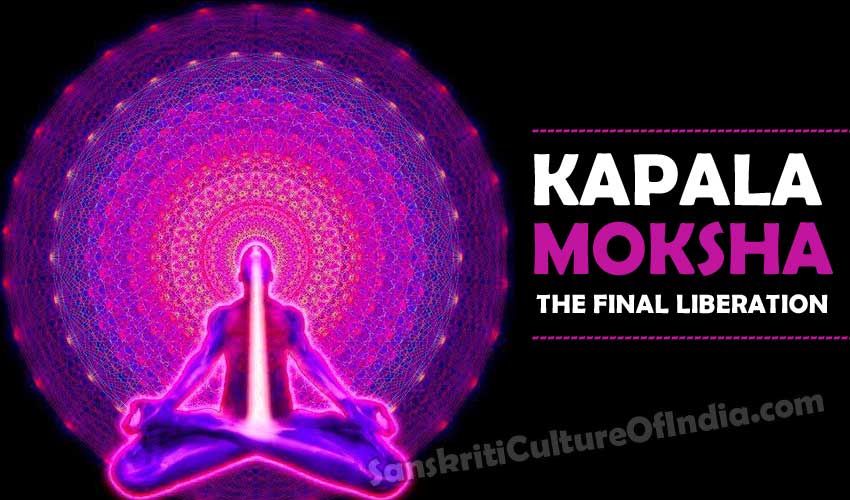
Moksha is the complete emancipation of the individual soul (jiva) from the limitations of the physical world and from the cycle of reincarnation. It is the realization of the true nature of the soul, which is inherently divine and connected to the ultimate reality (Brahman).
Paths to Moksha
Various paths or disciplines (yogas) lead to moksha. The three main paths are:
- Jnana Yoga (Path of Knowledge): Seeking knowledge and understanding of the true nature of reality through study, contemplation, and self-inquiry.
- Bhakti Yoga (Path of Devotion): Cultivating love and devotion to a deity or divine being, seeking union with the divine through worship and surrender.
- Karma Yoga (Path of Action): Performing actions without attachment to the fruits of labor, focusing on selfless service and ethical living.
Characteristics of Moksha
- Freedom from Samsara: Liberation from the cycle of birth, death, and rebirth.
- Realization of the Self: Recognition of the true nature of the soul as divine and eternal.
- Union with Brahman: The ultimate state of unity with the impersonal ultimate reality.
- Bliss and Contentment: A state of perfect happiness and fulfillment, free from suffering and attachments.
- Omniscience: The ability to know all things, as the soul transcends its limited perception.
Importance of Moksha
Moksha is considered the supreme goal of human life in Hinduism. It is believed that all suffering and imperfections experienced in life are due to the soul’s attachment to the material world and its ego. By achieving moksha, the soul breaks free from these limitations and experiences lasting happiness and peace.
Attainment of Moksha
While the path to moksha is challenging, it is not impossible. Through consistent practice of the yogas, purifying the mind and actions, and surrendering to the divine, individuals can strive towards liberation. The journey may take many lifetimes, but the ultimate goal is worth the effort.
In conclusion, moksha is the ultimate goal of Hinduism, a state of liberation from the cycle of reincarnation and union with the divine. Through the paths of knowledge, devotion, and action, individuals can strive to achieve this ultimate freedom and attain lasting happiness and peace.## Achieving Liberation: Understanding The Concept Of Moksha In Hinduism
Executive Summary
Moksha, a profound concept in Hinduism, represents the ultimate goal of spiritual evolution. It is the liberation from the cycle of birth, death, and rebirth, leading to a state of eternal bliss and unity with the divine. This article explores the multifaceted dimensions of Moksha in Hinduism, examining its significance, pathways, and the transformative experiences it brings.
Introduction
Moksha, also known as liberation or enlightenment, lies at the heart of Hindu philosophy. It is the ultimate aim of every soul, a state of being where one transcends the limitations of the material world and attains a profound connection with the divine. Through various spiritual practices, seekers embark on a transformative journey to break free from the illusion of separation and realize their true nature.
FAQs
Q: What is the significance of Moksha in Hinduism?
A: Moksha is the ultimate goal of Hindu spiritual practices, leading to liberation from the cycle of rebirth and a state of eternal bliss.
Q: How can one achieve Moksha?
A: Moksha can be attained through various paths, including selfless acts (Karma Yoga), meditation (Raja Yoga), devotion (Bhakti Yoga), and knowledge (Jnana Yoga).
Q: What are the benefits of achieving Moksha?
A: Moksha brings liberation from suffering, a deep understanding of the self and the divine, and eternal peace and happiness.
Subtopics
Karma Yoga: The Path of Action
- Selfless service: Engaging in actions without attachment to personal rewards.
- Non-violence (Ahimsa): Treating all living beings with compassion and kindness.
- Disinterested work: Performing actions without seeking recognition or accolades.
- Offering of actions to God: Dedicating one’s efforts to the divine.
- Surrendering the fruits of labor: Releasing attachment to the outcomes of actions.
Raja Yoga: The Path of Meditation
- Concentration: Developing the ability to focus and maintain attention.
- Control of the senses: Restraining the senses from distracting stimuli.
- Withdrawal from the external world: Isolating oneself to deepen meditation practices.
- Samadhi: Achieving a state of deep meditation where the mind transcends duality.
- Oneness with the divine: Experiencing the unity of consciousness with the ultimate reality.
Bhakti Yoga: The Path of Devotion
- Surrender to God: Cultivating a deep love and devotion to a chosen deity.
- Religious practices: Engaging in rituals, prayers, and chanting to connect with the divine.
- Bhajan and Kirtan: Singing devotional songs to express love and devotion.
- Selfless acts in the name of God: Performing actions as an offering to the deity.
- Divine grace: Receiving blessings and guidance from the divine through devotion.
Jnana Yoga: The Path of Knowledge
- Self-inquiry: Introspection and reflection to understand one’s true nature.
- Study of scriptures: Gaining wisdom through the teachings of ancient sages.
- Discrimination between the real and the unreal: Distinguishing between the ephemeral world and the eternal self.
- Renunciation of attachments: Letting go of worldly possessions and desires.
- Realization of Brahman: The ultimate truth that the individual soul is one with the supreme consciousness.
Mukti: The Liberation Experience
- Freedom from suffering: Liberation from the pains and sorrows of the material world.
- Union with the divine: Realization of the oneness of the self with the ultimate reality.
- Loss of ego: Transcending the limitations and desires of the individual self.
- Eternal bliss and peace: Experiencing a state of unyielding tranquility and contentment.
- Living in the world with detachment: Continuing to participate in worldly activities without attachment.
Conclusion
Moksha represents the culmination of a spiritual seeker’s journey in Hinduism. It is a state of liberation, where the limitations of the material world dissolve, and the soul experiences a profound union with the divine. Through the diverse paths of selfless action, meditation, devotion, and knowledge, individuals can navigate the complexities of life and ultimately attain Moksha, the ultimate goal of spiritual evolution.
Keyword Tags
- Moksha
- Liberation
- Hinduism
- Karma Yoga
- Raja Yoga
- Bhakti Yoga
- Jnana Yoga
- Mukti