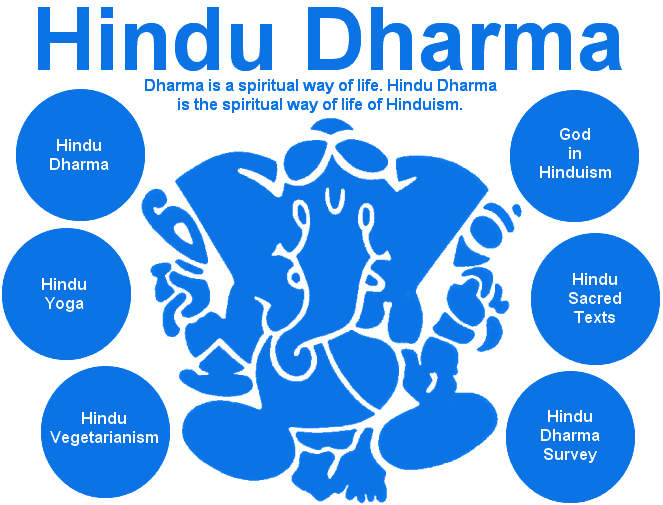
Hinduism and Dharma: Shaping Our Understanding of Life and the Universe
Introduction:
Hinduism, an ancient and multifaceted religion, encompasses a profound system of beliefs and practices that has profoundly influenced the lives of billions of people. Dharma, a central concept in Hinduism, provides a framework for understanding the universe and our place within it. This article delves into the intricate relationship between Hinduism and Dharma, exploring how they shape our perception of life and the cosmos.
The Nature of Hinduism:
Hinduism is a collection of diverse religious traditions and philosophical ideas that have evolved over millennia. It is characterized by the absence of a single founder or a fixed set of dogmas. Instead, it encompasses a wide range of beliefs, including the belief in multiple gods and goddesses, reincarnation, and the concept of Dharma.
Dharma as the Guiding Principle:
Dharma is a Sanskrit word that translates to “righteousness” or “duty.” In Hinduism, Dharma refers to the principles of right action and righteous living. It encompasses both individual and collective responsibilities and provides a moral framework for navigating life.
The Dharma of Individuals:
For individuals, Dharma encompasses their duties towards themselves, their family, their community, and the environment. It includes ethical principles such as honesty, non-violence (ahimsa), compassion, and self-control. Dharma guides individuals towards fulfilling their potential and living a meaningful life.
The Dharma of Society:
Dharma also extends to society as a whole. It defines the roles and responsibilities of different social groups, ensuring the well-being and harmony of the community. Dharma promotes social justice, economic equity, and environmental sustainability.
Dharma and the Universe:
Hinduism views the universe as an interconnected web of life, where every being has a role to play. Dharma governs the cosmic order and ensures the balance and stability of the universe. Through its actions and intentions, each individual can contribute to the harmony and well-being of the entire cosmos.
Dharma and Karma:
The concept of Karma is closely linked to Dharma. Karma refers to the consequences of an individual’s actions, which can shape their future circumstances. Dharma provides the ethical foundation for actions, ensuring that they are in accordance with right conduct. By following Dharma, individuals can accumulate positive Karma and progress towards spiritual enlightenment.
The Path of Dharma:
Hinduism teaches that the path of Dharma is not always easy. It requires constant effort, self-discipline, and moral courage. However, by adhering to Dharma, individuals can lead a fulfilling life, free from suffering and anxiety. It is a path that leads to the ultimate goal of spiritual liberation and unity with the divine.
Conclusion:
Hinduism and Dharma provide a comprehensive and profound framework for understanding the nature of life and the universe. Dharma acts as the guiding principle for both individuals and society, shaping our ethical choices, social interactions, and relationship with the cosmic order. By following the path of Dharma, we can live a meaningful life, contribute to the well-being of others, and ultimately achieve the highest spiritual goals. Hinduism’s emphasis on Dharma continues to inspire and guide billions of people around the world, offering a path to enlightenment and harmony amidst the complexities of human existence.## Hinduism And Dharma: How They Shape Our Understanding Of Life And The Universe
Executive Summary
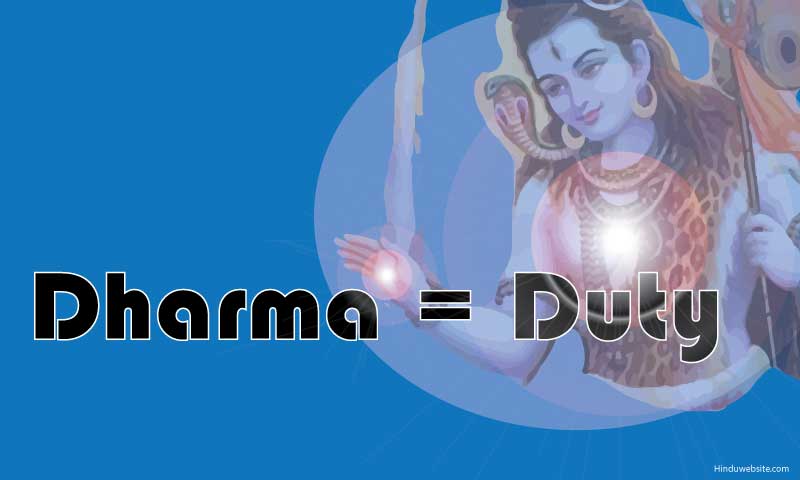
Hinduism is the world’s third-largest religion and one of the oldest, with a rich and complex history. Dharma, one of its key concepts, refers to the cosmic order and the righteous path that individuals must follow to live in harmony with the universe. This article explores the interconnectedness of Hinduism and Dharma and how they shape our understanding of life, the universe, and our place within it.
Introduction
Hinduism is a multifaceted religion that encompasses a vast array of beliefs, practices, and philosophies. At its core, Hinduism seeks to understand the nature of reality and provide guidance for individuals to achieve liberation from the cycle of rebirth. Dharma is an essential concept in Hinduism that forms the foundation for ethical living and righteous action.
FAQs
- What is Hinduism?
Hinduism is a collection of religious and philosophical traditions that originated in the Indian subcontinent. It is characterized by a belief in multiple gods and goddesses, the concept of reincarnation, and the importance of dharma. - What is Dharma?
Dharma is a Sanskrit word that means “righteousness” or “cosmic order.” It encompasses the moral principles and duties that individuals must follow to live in harmony with the universe. - How are Hinduism and Dharma connected?
Dharma is an integral part of Hinduism. It guides individuals in their actions and helps them to understand their place in the universe. Hinduism provides a framework for understanding dharma and its implications for human life.
1. The Nature of Reality
Hinduism posits that reality is fundamentally divine and interconnected. The universe is seen as a manifestation of Brahman, the ultimate reality or God. Dharma is the principle that governs the workings of the universe and maintains its balance and harmony.
- Brahman: The ultimate reality and the source of all existence.
- Maya: The illusion that separates individuals from the divine.
- Karma: The law of cause and effect that determines the consequences of one’s actions.
- Samsara: The cycle of birth, death, and rebirth.
- Moksha: Liberation from the cycle of rebirth and union with the divine.
2. The Purpose of Human Life
According to Hinduism, the purpose of human life is to seek liberation from the cycle of rebirth (samsara) and achieve moksha, a state of eternal bliss and unity with Brahman. Dharma plays a crucial role in this process.
- Self-Realization: Dharma helps individuals to recognize their true nature as part of the divine.
- Ethical Conduct: By following dharma, individuals create positive karma that leads to spiritual growth and liberation.
- Spiritual Practices: Hinduism offers various spiritual practices, such as meditation and yoga, that support the path to moksha.
- Duty and Responsibility: Dharma defines the duties and responsibilities that individuals have to themselves, others, and the natural world.
- Detachment: Dharma teaches individuals to detach from material possessions and desires and focus on spiritual development.
3. The Path to Dharma
Hinduism provides a range of practices and teachings to guide individuals on the path of dharma. These include:
- Karma Yoga: The practice of selfless action and duty without attachment to the fruits of one’s labor.
- Bhakti Yoga: The path of devotion to a particular god or goddess.
- Jnana Yoga: The way of knowledge and understanding of the true nature of reality.
- Raja Yoga: The practice of mind control and meditation to achieve spiritual enlightenment.
- Hatha Yoga: The physical practices of yoga that prepare the body and mind for spiritual advancement.
4. The Social Implications of Dharma
Dharma extends beyond individual morality to shape social structures and relationships. The concept of varna, or social class, is based on the idea that individuals have different roles and duties in society.
- Varna: The four main social classes in Hinduism: Brahmins (priests), Kshatriyas (warriors), Vaishyas (merchants), and Shudras (laborers).
- Caste: A more rigid system of social stratification based on varna and occupation.
- Ashrama: The four stages of life: student, householder, forest dweller, and renunciate.
- Respect for Nature: Dharma emphasizes the importance of respecting and protecting the natural world as a manifestation of the divine.
- Compassion and Non-Violence: Dharma promotes compassion and non-violence towards all living beings.
5. Dharma in the Modern World
In the contemporary world, the principles of dharma continue to offer guidance for individuals seeking meaning and purpose in life.
- Ethical Living: Dharma provides a moral compass for ethical decision-making and responsible actions.
- Spiritual Seeking: Dharma encourages individuals to explore their spiritual nature and find inner peace.
- Social Justice: Dharma inspires individuals to work towards social justice and equality.
- Environmental Consciousness: Dharma teaches the importance of environmental consciousness and protecting the planet.
- Interfaith Dialogue: Dharma promotes interfaith dialogue and understanding among different religions.
Conclusion
Hinduism and Dharma are deeply interconnected and provide a comprehensive framework for understanding the nature of reality, the purpose of human life, and our place within the universe. By following the principles of dharma, individuals can strive to live a life of virtue, cultivate spiritual growth, and contribute to the well-being of society and the planet. The teachings of Hinduism and Dharma continue to inspire individuals worldwide and offer valuable insights for navigating the complexities of modern life.
Keyword Tags
- Hinduism
- Dharma
- Karma
- Moksha
- Yoga