
Dharma and Spirituality in Hinduism: A Journey Towards Inner Peace
Introduction:
Hinduism, an ancient and multifaceted religion, holds dharma and spirituality as central pillars. Dharma encompasses ethical principles, duties, and obligations, while spirituality represents the quest for connection with the divine and inner peace. This essay explores the integral role of dharma and spirituality in Hinduism, highlighting their transformative power in guiding individuals towards a harmonious and fulfilling life.
Dharma: The Guiding Principles of Right Action:
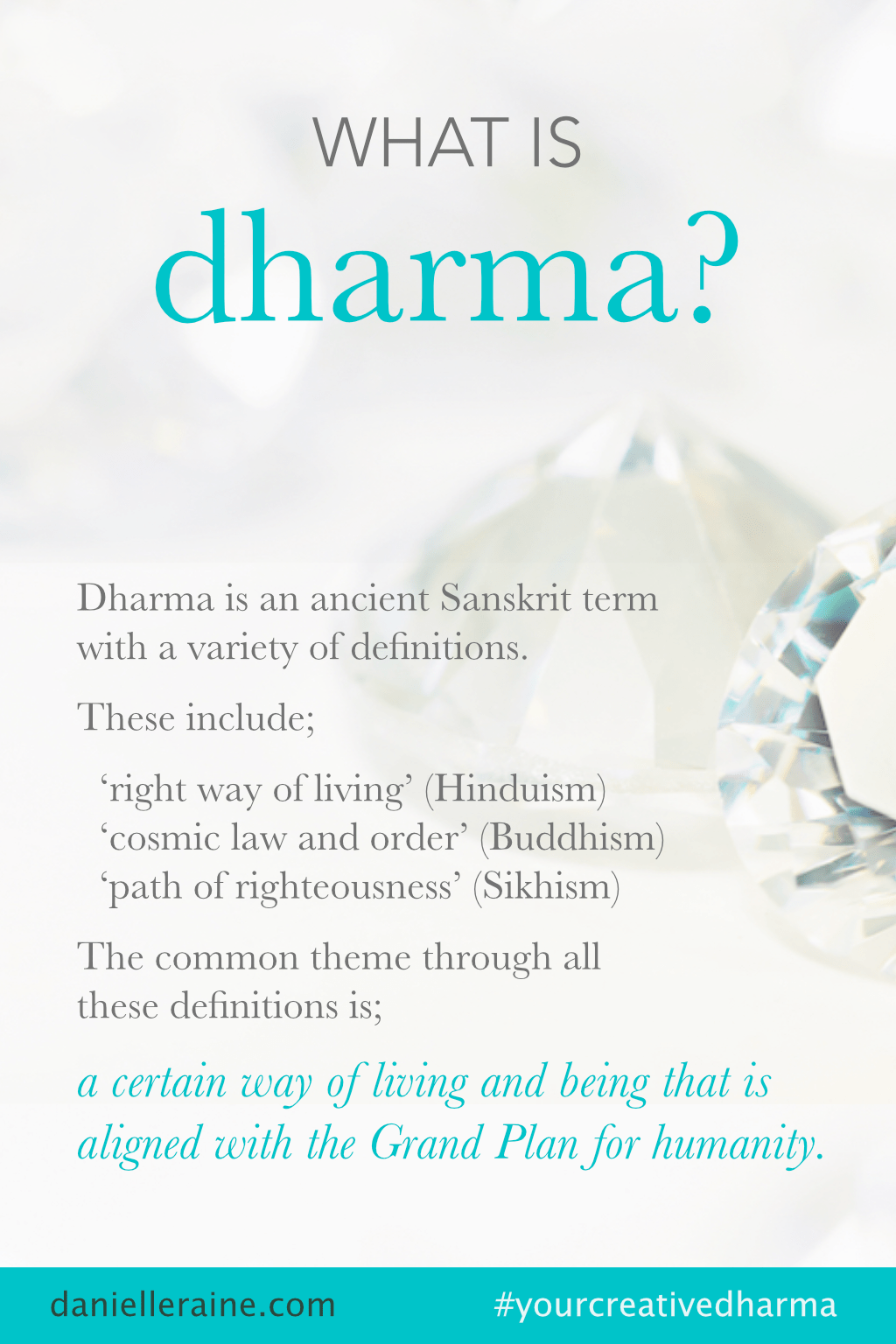
Dharma is the fundamental concept in Hinduism that defines the righteous path for individuals. It encompasses the duties and responsibilities one owes to oneself, others, and the environment. Dharma is not merely a set of rules but rather a dynamic and evolving understanding of what is considered right and virtuous.
By adhering to dharma, Hindus strive to live in balance and harmony with the laws of nature and society. It involves fulfilling one’s obligations to family, society, and the pursuit of knowledge. Dharma also encompasses ethical principles such as truthfulness, non-violence, compassion, and self-discipline.
Spirituality: The Quest for Inner Peace and Connection:
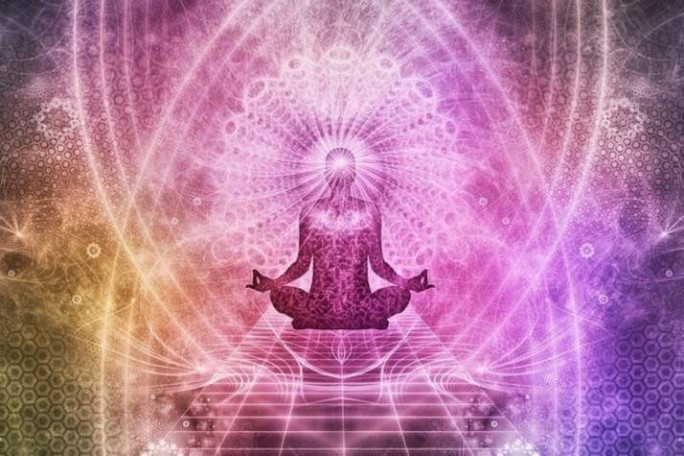
Spirituality in Hinduism is a personal and experiential journey that aims to connect individuals with the divine. It involves a wide range of practices, including meditation, yoga, chanting, and spiritual disciplines. Through these practices, Hindus seek to purify their minds, cultivate inner peace, and develop a deeper understanding of their own nature and the world around them.
The ultimate goal of spiritual practice is to realize the unity of all things and to experience the divine within oneself and others. This realization leads to a profound sense of peace, contentment, and liberation from worldly attachment.
The Interplay of Dharma and Spirituality:
Dharma and spirituality are inextricably linked in Hinduism. Dharma provides the ethical and behavioral framework within which spiritual practices unfold. By adhering to dharma, individuals create a conducive environment for spiritual growth. Conversely, spirituality deepens the understanding of dharma and reinforces its principles.
The pursuit of spirituality without ethical grounding can lead to escapism or self-indulgence. Conversely, adhering to dharma without spiritual development may become merely a mechanical observance of rules. By harmonizing dharma and spirituality, Hindus strive to live a balanced and meaningful life.
The Journey Towards Inner Peace:
The journey towards inner peace through dharma and spirituality involves several key steps:
- Ethical Living: Adhering to dharma by practicing truthfulness, non-violence, compassion, and self-discipline creates a foundation for inner peace.
- Cultivating Awareness: Meditation, yoga, and other spiritual practices help individuals become more aware of their thoughts, emotions, and actions. This heightened awareness allows for greater control and a deeper connection with oneself.
- Developing Discernment: Spiritual practice cultivates discernment, enabling individuals to distinguish between right and wrong, permanent and impermanent, and the essential and the trivial.
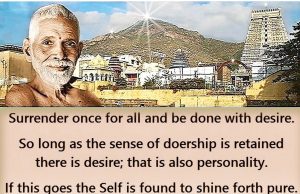
- Surrendering to the Divine: The culmination of the spiritual journey is surrender to the divine. This involves recognizing the interconnectedness of all things and relinquishing the ego’s attachments and desires.
Conclusion:
Dharma and spirituality are indispensable components of Hinduism, guiding individuals towards a harmonious and fulfilling life. By adhering to dharma, Hindus navigate their worldly obligations with integrity and compassion. Through spiritual practices, they cultivate inner peace, develop a deeper connection with the divine, and ultimately find liberation from the cycle of birth and rebirth. The journey of dharma and spirituality is an ongoing one that leads to an ever-deepening understanding of oneself, the world, and the ultimate nature of reality.## Dharma And Spirituality In Hinduism: A Journey Towards Inner Peace
Executive Summary
Hinduism, an ancient and enduring faith, places great emphasis on the concepts of dharma and spirituality as pathways to inner peace and self-realization. This article explores the profound significance of dharma and spirituality in Hinduism, examining their multifaceted nature and their transformative potential for individuals seeking a deeper connection with themselves and the universe.
Introduction
Hinduism, with its rich tapestry of beliefs and practices, has for centuries guided countless individuals in their spiritual quests. At the core of this ancient tradition lies dharma, a multifaceted concept that encompasses both ethical principles and one’s duty to society, and spirituality, a profound journey of self-discovery and connection with the divine.
Frequently Asked Questions
Q: What is the meaning of dharma in Hinduism?
A: Dharma is a complex concept that encompasses religious and ethical duties, righteous conduct, and one’s moral obligations to oneself, others, and the world. It serves as a guiding principle for personal behavior and social harmony.
Q: How does spirituality manifest in Hinduism?
A: Spirituality in Hinduism encompasses a diverse range of practices, including meditation, yoga, pilgrimage, and devotion to deities. These practices aim to cultivate self-awareness, inner peace, and a connection to the divine, ultimately leading to spiritual liberation.
Q: What are the benefits of embracing dharma and spirituality in Hinduism?
A: Embracing dharma and spirituality in Hinduism can bring numerous benefits, including:
- Enhanced ethical and moral conduct: Dharma provides a framework for righteous behavior, guiding individuals towards a virtuous and fulfilling life.
- Improved self-awareness and inner peace: Spirituality fosters self-reflection and contemplation, leading to a deeper understanding of oneself and a heightened sense of tranquility.
- A sense of purpose and belonging: Hinduism offers a sense of purpose and belonging through its beliefs in reincarnation and the interconnectedness of all beings.
Subtopics
The Nature of Dharma
- Ethical Guidelines: Dharma encompasses a code of ethical conduct that guides individuals in their daily actions, relationships, and interactions with the world.
- Social Obligations: Dharma includes duties and responsibilities towards society, promoting harmony, cooperation, and the well-being of all.
- Personal Growth: Dharma also involves personal development, encouraging individuals to strive for self-improvement, self-discipline, and a virtuous life.
- Spiritual Significance: Dharma has a profound spiritual significance, as it is believed to shape one’s karma and determine their path in life.
Paths of Spirituality
- Bhakti Yoga (Devotion): This path involves devotion to a chosen deity, cultivating love, surrender, and a deep personal connection with the divine.
- Karma Yoga (Action): This path emphasizes selfless action and service, performed without attachment to outcomes, as a means of spiritual purification and selflessness.
- Jnana Yoga (Knowledge): This path seeks knowledge and understanding of the true nature of reality, through study, contemplation, and meditation.
- Raja Yoga (Meditation): This path focuses on controlling the mind and cultivating inner stillness, concentration, and spiritual insight.
The Goal of Moksha
- Liberation: Moksha is the ultimate goal of spiritual practice in Hinduism, representing liberation from the cycle of birth, death, and rebirth.
- Union with the Divine: Moksha involves a profound realization of the interconnectedness of all beings and the ultimate unity with the divine.
- Attainment of Wisdom and Peace: Moksha brings about a state of unwavering wisdom, inner peace, and liberation from desires and attachments.
- Permanent Bliss: Moksha is described as a state of eternal happiness and bliss, free from suffering and limitations.
The Role of Karma
- Actions and Consequences: Karma refers to the law of cause and effect, where one’s actions have consequences that shape their destiny.
- Dharma and Karma: Dharma provides guidelines for ethical conduct, which in turn influences one’s karma and the quality of their future life.
- Free Will and Responsibility: Hinduism emphasizes the importance of free will and personal responsibility, as individuals are ultimately responsible for their actions and their consequences.
- Spiritual Evolution: Karma serves as a tool for spiritual evolution, helping individuals learn from their past actions and progress towards moksha.
The Importance of Rituals
- Sacred Ceremonies: Rituals in Hinduism include daily worship, festivals, and life-cycle ceremonies, which connect individuals with the divine and reinforce dharma.
- Symbolic Meaning: Rituals have profound symbolic meanings, representing spiritual concepts and conveying wisdom through symbolic actions and objects.
- Community and Connection: Rituals foster a sense of community and belonging, uniting individuals in shared beliefs and practices.
- Personal Transformation: Rituals can facilitate personal transformation, allowing individuals to embody spiritual principles and cultivate inner peace.
Conclusion
Dharma and spirituality are integral components of Hinduism, providing a comprehensive framework for ethical living, spiritual growth, and the pursuit of inner peace. Embracing dharma and spirituality can empower individuals to navigate the complexities of life, connect with their true selves, and ultimately attain moksha, the ultimate goal of spiritual liberation. Through ethical conduct, selfless service, self-discovery, and connection with the divine, Hinduism offers a path towards a fulfilling and meaningful life.
Keyword Tags
- Dharma
- Spirituality
- Hinduism
- Moksha
- Karma