Karma Yoga: The Path of Action to Attain Moksha
Karma Yoga is a path of spiritual development that emphasizes selfless action. The goal of Karma Yoga is to attain moksha, or liberation from the cycle of birth and death.
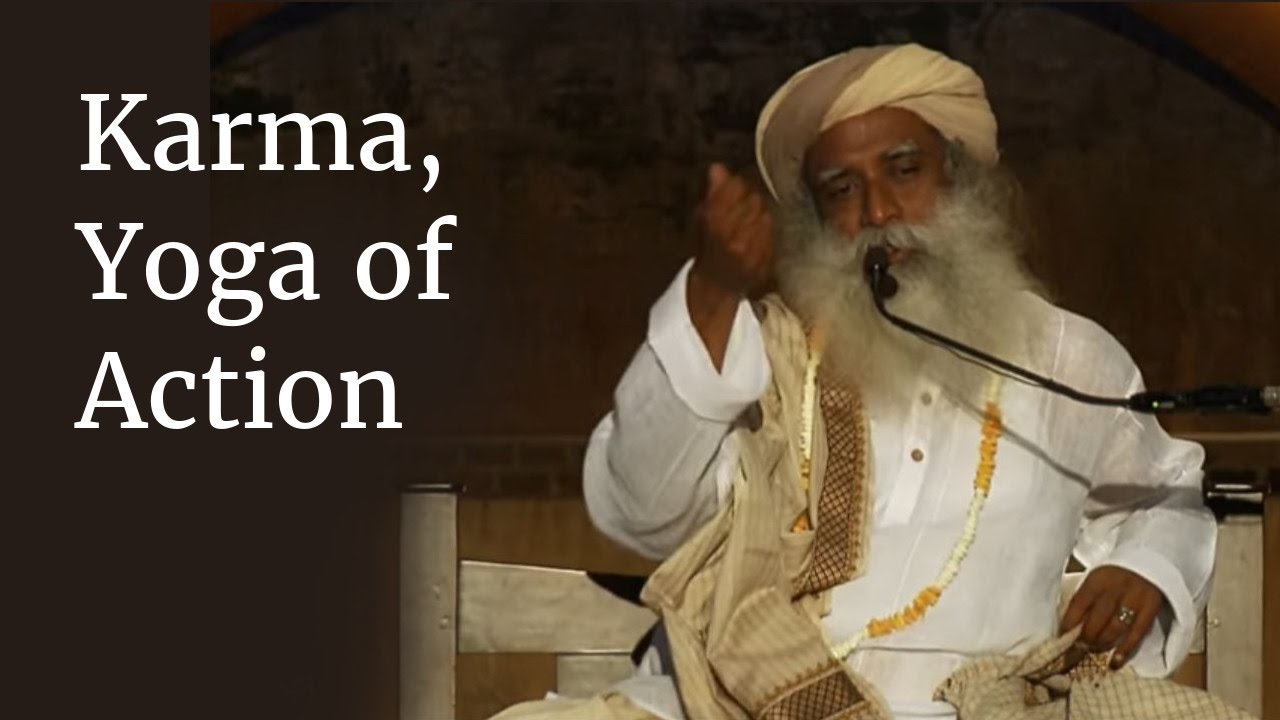
Karma Yoga is based on the belief that the actions we perform have consequences. These consequences can be positive or negative, depending on the nature of our actions. If we perform selfless actions, we will create positive karma, which will lead to happiness and liberation. If we perform selfish actions, we will create negative karma, which will lead to suffering and bondage.
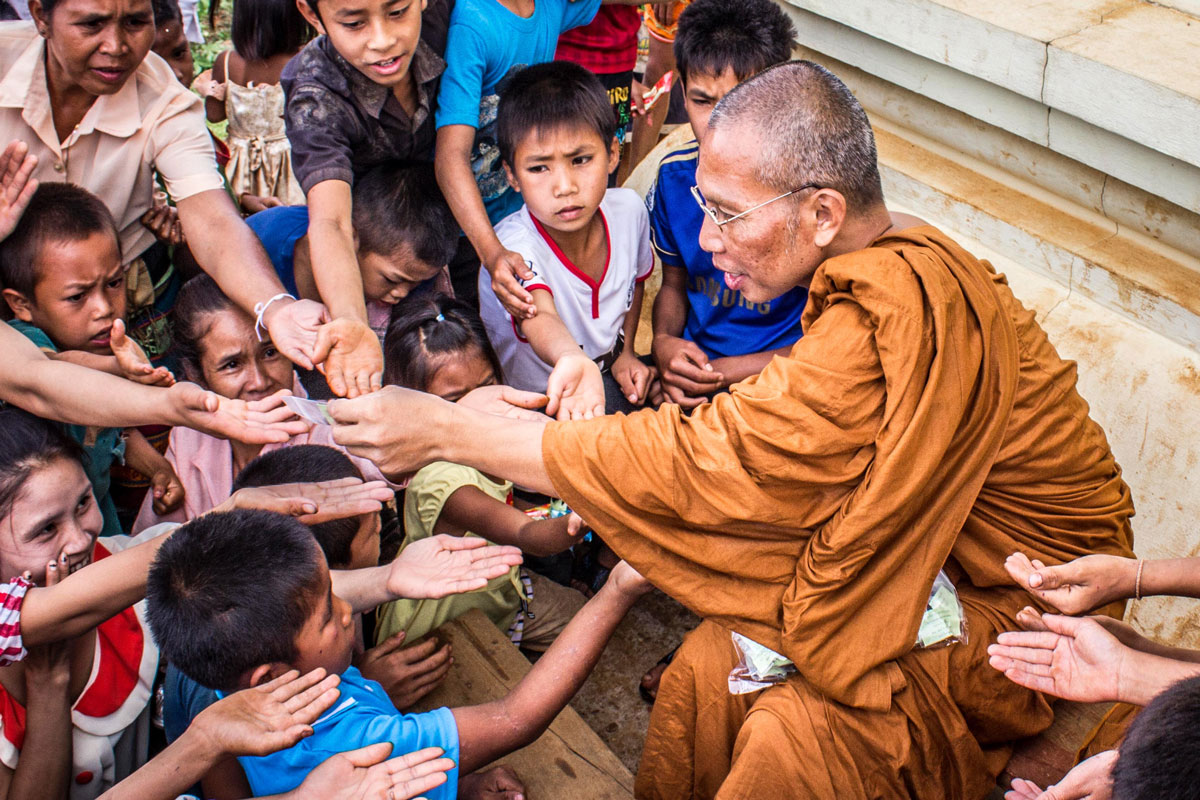
The key to Karma Yoga is to perform actions without attachment to the fruits of our labor. This means that we should not act with the expectation of reward or recognition. We should simply act because it is the right thing to do.
When we perform actions without attachment, we are able to transcend the ego and experience our true nature. We realize that we are not the doer of our actions, but rather a witness to them. This realization leads to a deep sense of peace and contentment.
Karma Yoga can be practiced in all aspects of our lives. We can practice it at work, at home, and in our relationships with others. By performing selfless actions, we can help to create a more just and compassionate world.
Here are some tips for practicing Karma Yoga:
- Act without attachment to the fruits of your labor.
- Do your work with excellence, but do not be attached to the outcome.
- Offer your actions to God or to the universe.
- Renounce the fruits of your actions.
- Be content with whatever comes your way.
Karma Yoga is a challenging path, but it is also a rewarding one. By practicing Karma Yoga, we can learn to live a life of purpose and meaning. We can also help to create a better world for ourselves and for others.## Karma Yoga: The Path Of Action To Attain Moksha
Executive Summary
Karma Yoga, one of the four main paths of Yoga, emphasizes the importance of selfless action in the pursuit of spiritual liberation. By engaging in selfless service without attachment to the fruits of one’s labor, individuals can purify their minds, cultivate detachment, and ultimately attain moksha. This article explores the principles and practices of Karma Yoga, providing a comprehensive understanding of its role in the journey of self-realization.
Introduction
In the realm of spirituality, Karma Yoga stands as a profound path to spiritual liberation, emphasizing the transformative power of action. Unlike other forms of Yoga, which focus on meditation or physical postures, Karma Yoga places utmost importance on the selfless performance of one’s duties. Through selfless service, individuals can purify their minds, cultivate detachment, and ultimately transcend the limitations of ego and attachment.
FAQs
-
What is the significance of selfless action in Karma Yoga?
Selfless action lies at the core of Karma Yoga. By performing actions without any attachment to the outcome or desire for personal gain, individuals can purify their minds and break free from the cycle of karma. -
How does Karma Yoga lead to moksha?
By engaging in selfless service, individuals gradually cultivate detachment from the fruits of their labor and the ego-driven desires that bind them to the material world. This detachment leads to inner purification and ultimately paves the way for moksha, the state of liberation from the cycle of birth and death. -
Can Karma Yoga be practiced in all aspects of life?
Yes, Karma Yoga is not limited to specific religious or spiritual practices. It can be incorporated into all aspects of life, from daily chores to professional responsibilities. By approaching every action with an attitude of selfless service, individuals can transform mundane activities into opportunities for spiritual growth.
The Pillars of Karma Yoga
Nishkama Karma
- Meaning: Action without attachment to the fruits of labor
- Key Points:
- Focus on the act itself, not the outcome
- Renounce the desire for praise or recognition
- Perform actions with a pure and selfless intention
Karmaphala Tyaga
- Meaning: Renunciation of the fruits of action
- Key Points:
- Detach from the desire for personal gain or benefit
- Accept both favorable and unfavorable outcomes with equanimity
- See the fruits of one’s labor as a blessing to be shared
Buddhi Yoga
- Meaning: Integration of intellect and action
- Key Points:
- Discern between right and wrong actions
- Act with wisdom and understanding
- Align actions with one’s higher purpose
Samatva Yoga
- Meaning: Equality and balance in all actions
- Key Points:
- Treat all beings with respect and compassion
- Perform actions without discrimination or prejudice
- Cultivate inner peace and equanimity
Atmanivedana
- Meaning: Surrender of the self to the divine
- Key Points:
- Offer the fruits of one’s actions to the divine
- Trust in the divine’s guidance and protection
- Dedicate all actions to the realization of the ultimate truth
Conclusion
Karma Yoga provides a clear and practical path to spiritual liberation. By engaging in selfless action, cultivating detachment, and surrendering the fruits of one’s labor to the divine, individuals can purify their minds, break free from the cycle of karma, and attain the ultimate goal of moksha. The principles of Karma Yoga are timeless and universal, offering a transformative path for all who seek inner peace, freedom, and spiritual enlightenment.
Keyword Tags
- Karma Yoga
- Selfless action
- Moksha
- Dharma
- Spiritual liberation