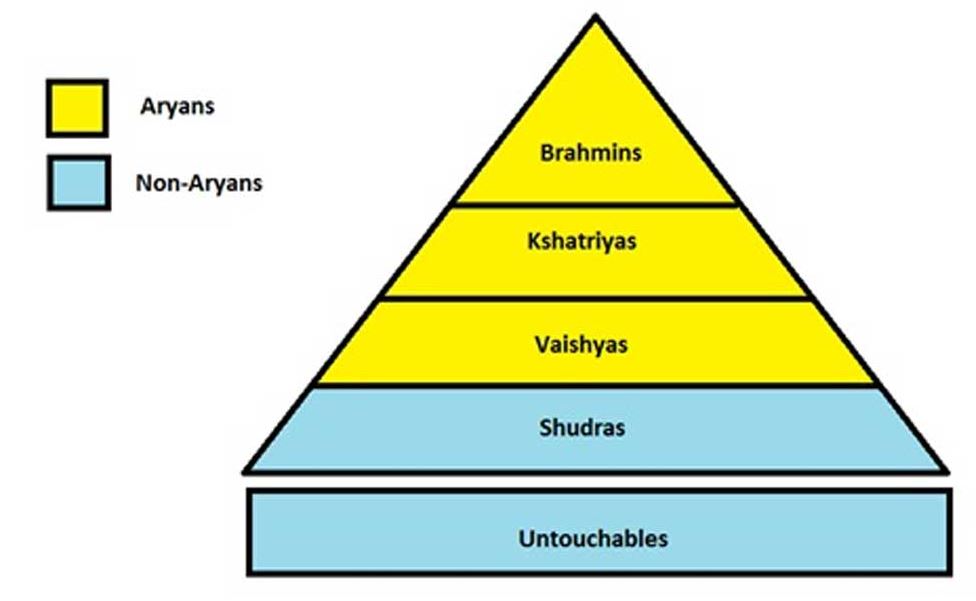
The Caste System and Hindu Beliefs about Reincarnation
The caste system is a social stratification system that is based on birth into a particular social group. It is believed that people are born into a particular caste based on their karma from previous lives. The caste system is closely linked to the Hindu belief in reincarnation, which holds that after death, a person’s soul is reborn into a new body.
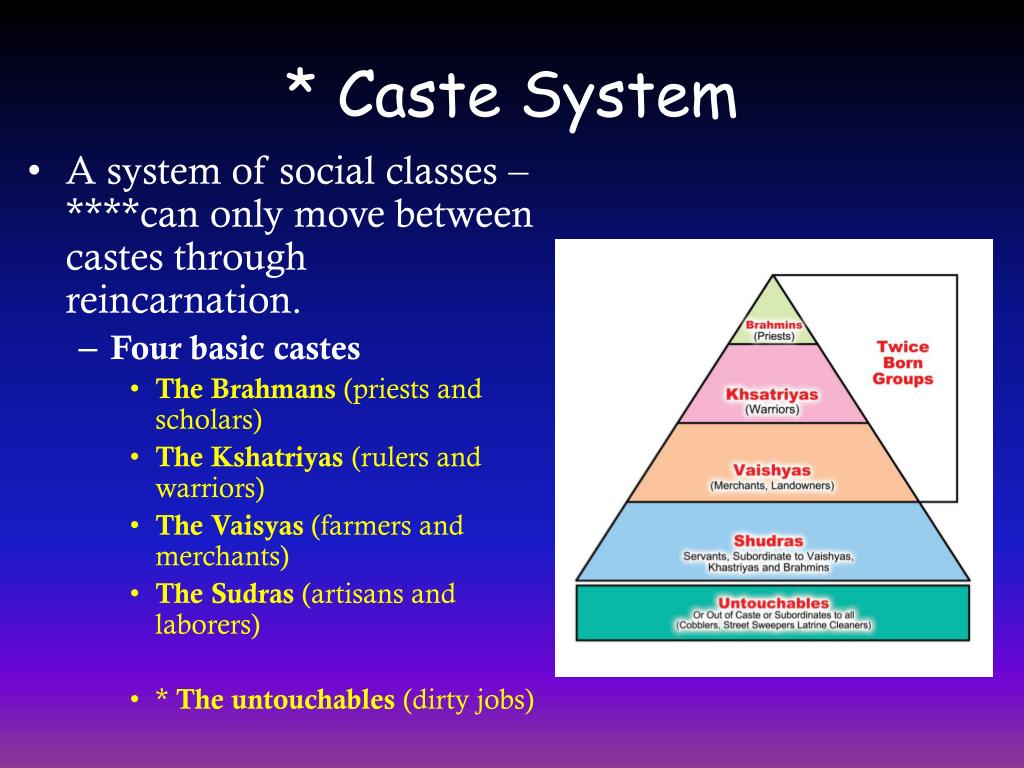
According to Hindu beliefs, the caste into which a person is born is determined by their karma from previous lives. Good karma leads to birth into a higher caste, while bad karma leads to birth into a lower caste. The caste system is therefore seen as a way of rewarding or punishing people for their actions in previous lives.
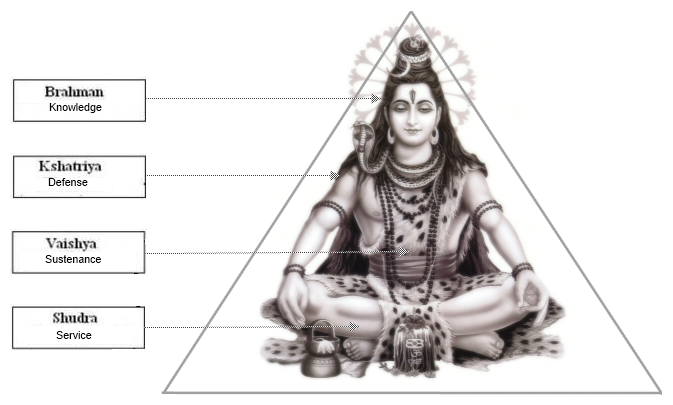
The caste system has a significant impact on Hindu beliefs about reincarnation. For example, it is believed that people who are born into a higher caste have accumulated more good karma in previous lives, and therefore have a better chance of being reborn into a higher caste in their next life. Conversely, people who are born into a lower caste are believed to have accumulated more bad karma, and therefore have a lower chance of being reborn into a higher caste in their next life.
The caste system also affects the way that Hindus view their relationship with other people. Hindus believe that they should treat people from other castes with respect, regardless of their own caste. However, they also believe that it is important to maintain the boundaries between different castes. This is because they believe that inter-caste marriage and other forms of social interaction between people from different castes can lead to bad karma.
The caste system is a complex and controversial issue. Some Hindus believe that it is a divine system that is necessary for the maintenance of social order. Others believe that it is an oppressive system that should be abolished. Regardless of one’s views on the caste system, it is clear that it has a significant impact on Hindu beliefs about reincarnation.## How The Caste System Shapes Hindu Beliefs About Reincarnation
Executive Summary
The caste system is a social stratification system that has been in place in India for centuries. It divides people into five main castes, each with its own set of rights and privileges. The caste system has a significant impact on Hindu beliefs about reincarnation, as it determines which caste a person will be born into in their next life.
Introduction
Hinduism is a religion that believes in reincarnation, the idea that the soul is reborn into a new body after death. The caste system plays a major role in determining which caste a person will be born into in their next life. This is because the caste system is believed to be determined by the karma of a person’s past lives.
FAQ
1. What is the caste system?
The caste system is a social stratification system that has been in place in India for centuries. It divides people into five main castes, each with its own set of rights and privileges. The caste system is based on the belief that people are born into a particular caste based on their karma from past lives.
2. How does the caste system affect reincarnation?
The caste system affects reincarnation by determining which caste a person will be born into in their next life. This is because the caste system is believed to be determined by the karma of a person’s past lives.
3. Can a person change their caste in their next life?
It is possible for a person to change their caste in their next life. This can happen if they accumulate good karma in their current life.
Subtopics
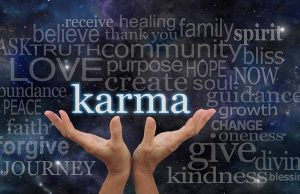
Karma
Karma is a Sanskrit word that means “action”. It refers to the consequences of a person’s actions, both good and bad. Karma is believed to determine a person’s caste in their next life.
- Good karma can lead to a person being born into a higher caste.
- Bad karma can lead to a person being born into a lower caste.
- The law of karma states that a person will reap what they sow.
Dharma
Dharma is a Sanskrit word that means “duty”. It refers to the responsibilities that a person has to their caste and to society as a whole. Dharma is also believed to determine a person’s caste in their next life.
- Fulfilling one’s dharma can lead to a person being born into a higher caste.
- Neglecting one’s dharma can lead to a person being born into a lower caste.
- The path of dharma is the path to enlightenment.
Moksha
Moksha is a Sanskrit word that means “liberation”. It refers to the goal of Hinduism, which is to achieve liberation from the cycle of reincarnation. Moksha can be achieved through a variety of means, including:
- Yoga
- Meditation
- Devotion
Caste and Reincarnation
The caste system has a significant impact on Hindu beliefs about reincarnation. This is because the caste system determines which caste a person will be born into in their next life. The caste system is believed to be determined by the karma of a person’s past lives.
- A person born into a higher caste will have more opportunities to accumulate good karma and achieve moksha.
- A person born into a lower caste will have fewer opportunities to accumulate good karma and achieve moksha.
- It is possible for a person to change their caste in their next life by accumulating good karma in their current life.
Conclusion
The caste system is a complex and controversial issue. It has a significant impact on Hindu beliefs about reincarnation and on Indian society as a whole. While the caste system has been criticized for its discriminatory nature, it is also important to understand its religious significance.
Keyword Tags
- Caste system
- Reincarnation
- Karma
- Dharma
- Moksha