Journey Beyond Mortal Life: Understanding the Hindu Perspective on Death and the Afterlife
In the vast tapestry of human experience, death occupies a profound and enigmatic void. While its inevitability looms large, the mystery surrounding what lies beyond has captivated the imaginations of civilizations across time. In the Hindu tradition, death is not merely a physical end but a transformative passage, a journey that transcends the boundaries of the mortal realm.
The Cycle of Samsara and Karma
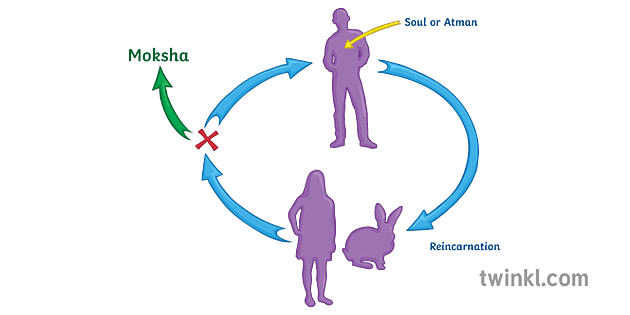
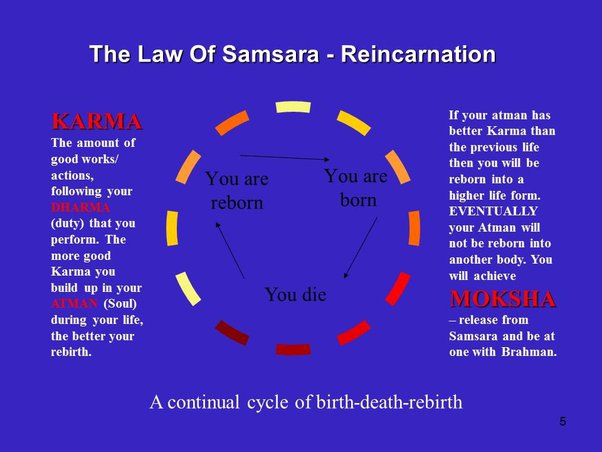
According to Hindu beliefs, life is a continuous cycle of birth, death, and rebirth known as samsara. This cycle is driven by the law of karma, which posits that every action, thought, and deed has consequences that shape our current and future lives.
The Three Lokas
The Hindu cosmos is divided into three realms or lokas:
- Bhu Loka: The Earthly realm where mortals reside.
- Bhuvar Loka: The Intermediate realm, where the deceased temporarily dwell.
- Svarga Loka: The Heavenly realm, where the righteous find temporary respite.
Death and the Soul’s Journey
Upon physical death, the soul (atman) embarks on a journey through the three lokas.
- Antyesti: The funeral rites, which purify the body and ensure the soul’s safe passage.
- Bhuvar Loka: The soul resides in Bhuvar Loka for a period of time, during which it reflects on its past life and begins to shed its earthly attachments.
- Pitru Loka: The realm of the ancestors, where the soul may receive offerings from loved ones.
- Yama’s Court: After a period in Pitru Loka, the soul faces Yama, the Lord of Death. Yama judges the soul’s actions and determines its future destiny.
Swarga and Naraka: Temporary Rewards and Punishments
Based on Yama’s judgment, the soul may be sent to either Swarga or Naraka.
- Swarga: A heavenly realm where the righteous experience pleasure and contentment. However, this is not a permanent abode, as the effects of good karma eventually become exhausted.
- Naraka: A hellish realm where the wicked face punishment for their sins. Like Swarga, Naraka is also temporary, and the soul eventually returns to the cycle of samsara.
Moksha: Liberation from Samsara
The ultimate goal of the Hindu journey is moksha, liberation from the cycle of birth and death. This can be achieved through a life of righteous conduct, spiritual practices, and the development of wisdom.
- Jnana Yoga: The path of knowledge, emphasizing the realization of the true nature of the self and the ultimate reality.
- Bhakti Yoga: The path of devotion, where unwavering love and surrender to a deity leads to spiritual purification.
- Karma Yoga: The path of selfless action, where performing one’s duties without attachment to the fruits of labor leads to spiritual growth.
Conclusion
In the Hindu perspective, death is not an end but a transition, a journey that nurtures the soul’s transformation and ultimately leads to liberation from the cycle of samsara. Through the law of karma, the choices we make in this life shape our destiny in the afterlife. By embracing the principles of ahimsa (non-violence), honesty, and compassion, we can navigate the journey beyond mortal life with grace and hope.## Journey Beyond Mortal Life: Understanding The Hindu Perspective On Death And The Afterlife
Executive Summary
The Hindu perspective on death and the afterlife is a complex and nuanced one that has evolved over centuries. Hindus believe that death is a natural part of the cycle of life, and that the soul is immortal. After death, the soul embarks on a journey through various realms, ultimately seeking to achieve moksha, or liberation from the cycle of rebirth.
Introduction
Death is an inevitable part of life, and it is something that people of all cultures and religions have had to grapple with. The Hindu religion has a very specific perspective on death and the afterlife, which is based on the belief that the soul is immortal. This belief is reflected in the Hindu concept of reincarnation, which holds that the soul is reborn into a new body after death. The journey of the soul after death is a complex one, and it is one that is filled with both challenges and opportunities.
FAQs
- What happens to the soul after death?
After death, the soul embarks on a journey through various realms. The first realm is called Yama Loka, which is the realm of the dead. Here, the soul is judged by Yama, the god of death. The soul is then sent to one of four destinations: Svarga (heaven), Naraka (hell), Pitriloka (the realm of the ancestors), or Bhuloka (the earth).
- What is moksha?
Moksha is the ultimate goal of the soul’s journey. It is a state of liberation from the cycle of rebirth. Moksha can be achieved through a variety of means, including meditation, yoga, and selfless service.
- What happens if I don’t achieve moksha?
If a soul does not achieve moksha, it will be reborn into a new body. The type of body that the soul is reborn into will be determined by the karma that the soul has accumulated in its previous life.
Subtopics
1. Death and the Soul
- The soul is immortal and indestructible.
- The soul transmigrates from one body to another after death.
- The type of body that the soul is reborn into is determined by the karma that the soul has accumulated in its previous life.
2. The Journey of the Soul After Death
- After death, the soul travels to Yama Loka, the realm of the dead.
- Here, the soul is judged by Yama, the god of death.
- The soul is then sent to one of four destinations: Svarga (heaven), Naraka (hell), Pitriloka (the realm of the ancestors), or Bhuloka (the earth).
3. Moksha
- Moksha is the ultimate goal of the soul’s journey.
- It is a state of liberation from the cycle of rebirth.
- Moksha can be achieved through a variety of means, including meditation, yoga, and selfless service.
4. Karma and Reincarnation
- Karma is the law of cause and effect.
- The actions that a person performs in one life will determine the type of body that they are reborn into in their next life.
- Reincarnation is the process of being reborn into a new body after death.
5. The Hindu Funeral
- The Hindu funeral is a complex and elaborate ritual.
- The funeral is designed to help the soul transition from the physical world to the spiritual world.
- The funeral typically includes a number of rituals, such as bathing the body, offering food to the deceased, and performing a puja (worship ceremony).
Conclusion
The Hindu perspective on death and the afterlife is a complex and nuanced one. It is a belief system that has evolved over centuries, and it is one that continues to offer comfort and hope to people today.