Enhancing Relationships Through Vedic Astrology: Discovering Compatibility And Harmony
Introduction
Vedic astrology, an ancient Indian astrological system, offers profound insights into human nature and relationships. By analyzing the positions of the planets, stars, and other celestial bodies at the time of birth, Vedic astrology can reveal the inherent strengths, weaknesses, and dynamics within any relationship.
.jpeg?itok=Ym4WAWdk)
Compatibility Analysis
1. Lagna and Navamsa:
The Lagna (Ascendant) and Navamsa (9th divisional chart) provide key insights into the overall compatibility between two individuals. Similar Lagnas and Navamsas indicate harmonious relationships, while significant differences may suggest challenges.
2. Dasha and Antardasha:
The Dasha and Antardasha periods, which describe the planetary influences on an individual’s life, can also shed light on relationship compatibility. Favorable planetary combinations during these periods can strengthen the bond, while challenging combinations may indicate potential conflicts.
3. Synastry:
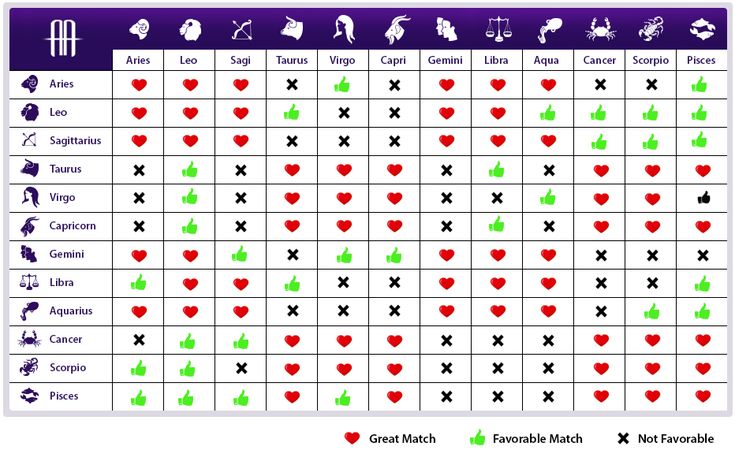
Synastry involves comparing the birth charts of two individuals to identify areas of compatibility and potential challenges. By analyzing the aspects formed between their planets, astrologers can determine the nature of their interactions, communication styles, and emotional connections.
Harmony and Balance
1. Planetary Combinations:
Specific planetary combinations, known as Yogas, indicate harmony and balance within a relationship. For example, the “Raja Yoga” suggests a strong mutual understanding and support, while the “Shukra Yoga” promotes love, affection, and pleasure.
2. Nakshatra Harmony:
Nakshatras, or lunar mansions, have distinct characteristics that can impact relationship dynamics. Compatible Nakshatras create a harmonious bond, while conflicting Nakshatras may require conscious effort to overcome challenges.
3. Dosha Balancing:
Vedic astrology recognizes three Doshas (constitutional forces): Vata, Pitta, and Kapha. Analyzing the Doshas of both individuals can help identify areas of imbalance that may affect the relationship. Balancing these Doshas through lifestyle adjustments and remedies can promote harmony and understanding.
Benefits of Relationship Analysis
1. Enhanced Understanding:
Vedic astrology provides a deeper understanding of the motivations, needs, and challenges of both partners. This awareness can foster empathy and a more compassionate approach to resolving conflicts.
2. Improved Communication:
By identifying areas of potential misunderstandings, Vedic astrology can facilitate effective communication strategies. Understanding each other’s communication styles and preferences can prevent misunderstandings and strengthen the bond.
3. Conflict Resolution:
Vedic astrology can identify potential areas of conflict and provide astrological remedies to mitigate them. By addressing these challenges proactively, couples can develop healthy coping mechanisms and maintain a balanced relationship.
Conclusion
Vedic astrology offers valuable insights into the compatibility, harmony, and dynamics within relationships. By understanding the planetary influences and inherent characteristics of both individuals, couples can harness the power of astrology to enhance their connection, overcome challenges, and create a lasting and fulfilling bond.## Enhancing Relationships Through Vedic Astrology: Discovering Compatibility And Harmony
Executive Summary
Vedic astrology, a holistic approach to understanding cosmic influences on human life, offers profound insights into interpersonal relationships. It reveals compatibility and areas of growth to cultivate harmony and foster enduring bonds. By analyzing birth charts, astrologers can unravel the astrological factors that shape our relationships.
Introduction
In the tapestry of life, relationships play a pivotal role in shaping our experiences. Vedic astrology provides a powerful tool to comprehend the astrological influences that govern our interpersonal connections. By delving into the complexities of our birth charts, we can uncover the cosmic patterns that shape our interactions, strengths, and areas for growth.
FAQs
1. What is Vedic astrology?
Vedic astrology, rooted in ancient Indian traditions, is a celestial science that explores the influence of planetary movements on human lives. It interprets the positions and relationships of planets, signs, and constellations to provide valuable insights into personality, relationships, and life events.
2. How can Vedic astrology help relationships?
Vedic astrology offers a deeper understanding of the astrological compatibility between individuals. It identifies the harmonious and conflicting aspects of birth charts, revealing areas of strength and challenge within relationships. By understanding these celestial influences, couples can cultivate greater awareness, empathy, and strategies to navigate potential obstacles.
3. Is Vedic astrology accurate?
Vedic astrology has been practiced for centuries with countless individuals attesting to its accuracy. It is based on the premise that the planetary positions at the time of our birth influence our lives. While not an exact science, Vedic astrology provides valuable insights and guidance to help us understand ourselves and our relationships better.
Top Subtopics
1. Birth Charts: The Celestial Blueprint
Our birth charts, or natal charts, are like celestial maps that depict the positions of planets, signs, and constellations at the moment of our birth. Vedic astrology interprets these charts to understand our core personality traits, strengths, weaknesses, and relationship dynamics.
- Ascendant (Rising Sign): The zodiac sign on the eastern horizon at birth, representing our outward appearance and first impressions.
- Moon Sign: The zodiac sign occupied by the Moon at birth, revealing our emotional nature, instincts, and subconscious patterns.
- Venus and Mars: The planets of love and passion, respectively, play a significant role in determining our romantic and sexual compatibility.
2. Planetary Aspects: Celestial Harmonies and Challenges
Planetary aspects refer to the geometric angles formed between planets in our birth charts. These aspects can be harmonious (e.g., trines, sextiles) or challenging (e.g., squares, oppositions), revealing the quality of interactions between planets.
- Conjunction: A tight alignment indicating a strong connection between planets, either positive or negative depending on the planets involved.
- Trine: A harmonious aspect that brings ease, support, and opportunities.
- Square: A challenging aspect that creates tension and obstacles, but also opportunities for growth.
3. Synastry: Unraveling Relationship Dynamics
Synastry, or comparative astrology, compares the birth charts of two individuals to analyze their astrological compatibility. It reveals areas of harmony, potential conflicts, and areas for growth within the relationship.
- Composite Chart: A blended birth chart that represents the energetic connection between two individuals in a romantic or close relationship.
- Davidsons’ Relationship Compatibility Method: A specialized technique that uses planetary aspects and signs to assess compatibility.
- Karmic Debts and Blessings: Vedic astrology identifies potential past life connections and karmic influences that shape present relationships.
4. Relationship Astrology: Navigating Love, Marriage, and Family
Relationship astrology provides insights into the astrological factors that influence our romantic relationships, marriage, and family dynamics. It helps us understand the challenges and opportunities we may encounter in different stages of our relationships.
- Mars-Venus Compatibility: Mars and Venus represent our masculine and feminine energies, respectively, and their compatibility indicates sexual chemistry and romantic attraction.
- Saturn Transits: Saturn’s transits can bring periods of challenges and lessons that test the strength of relationships.
- Nakshatras (Lunar Mansions): Vedic astrology uses nakshatras to determine the compatibility between individuals on a subtle energy level.
5. Healing and Transformation: Astrology as a Tool for Personal Growth
Vedic astrology can be a powerful tool for personal growth and healing within relationships. It helps us identify areas for improvement and provides guidance for cultivating healthier and more fulfilling connections.
- Retrograde Planets: Planets that appear to move backward indicate periods of introspection and opportunities for re-evaluating relationships.
- Eclipses: Eclipses symbolize major shifts and changes, often inviting us to let go of outdated patterns in our relationships.
- Astrological Remedies: Vedic astrology offers practical remedies, such as mantras, yantras, and gemstones, to mitigate challenging planetary influences.
Conclusion
Vedic astrology offers an invaluable perspective on the complexities of human relationships. By analyzing the celestial influences at play, we can gain a deeper understanding of our compatibility with others, fostering stronger, more harmonious, and fulfilling bonds. Whether you are seeking to improve your current relationship or navigate the path of love and marriage, Vedic astrology provides a roadmap for personal growth and relationship enrichment.
Keyword Tags
- Vedic Astrology
- Relationship Compatibility
- Birth Chart Analysis
- Synastry
- Vedic Astrology Remedies