
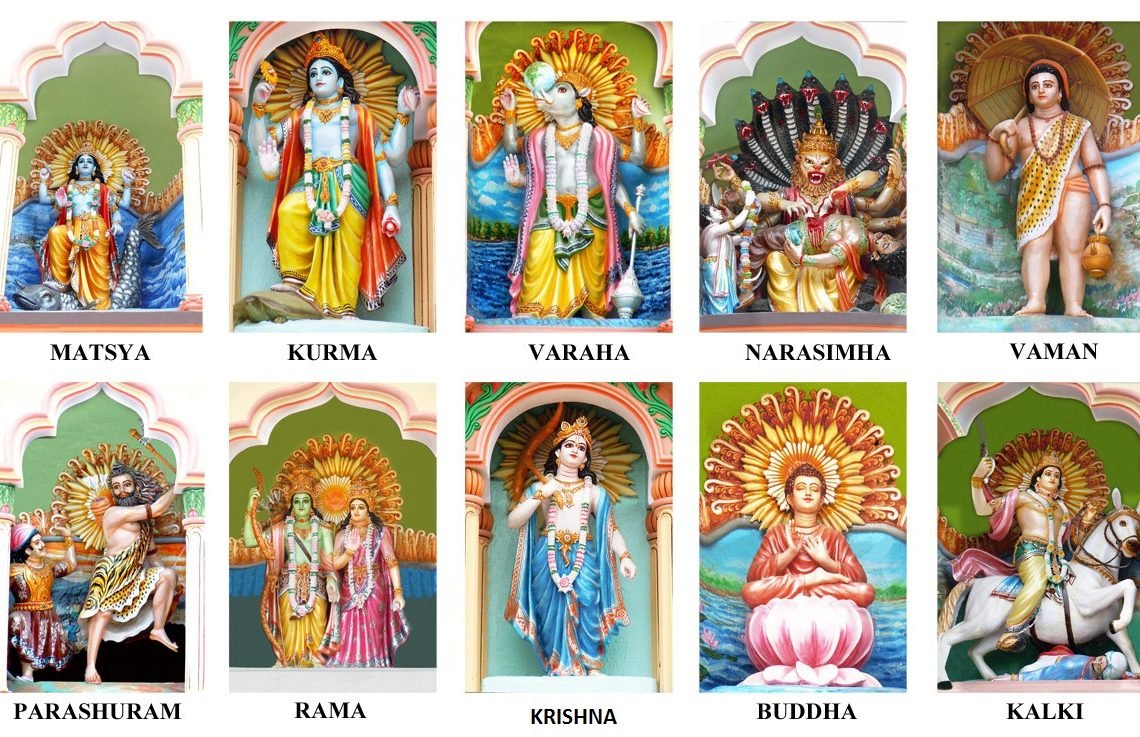
Title: Unlocking Enlightenment: Buddha as an Avatar of Lord Vishnu
Introduction:

The concept of Buddha as an avatar of Lord Vishnu is a multifaceted and thought-provoking idea that has been debated and explored for centuries in the realms of spirituality and Hinduism. In this article, we will delve into the various aspects and interpretations of this concept, examining its historical, theological, and philosophical underpinnings.
Historical Context:
The idea of Buddha as an avatar of Vishnu first emerged around the 5th century CE, during the Gupta period of Indian history. At this time, the Bhagavata Purana, a revered Hindu scripture, was composed and included a narrative that identified Buddha as the 24th incarnation of Vishnu. This concept gained wider acceptance in later centuries, particularly during the medieval period, when Hindu scholars and theologians sought to reconcile the teachings of Buddhism with the existing Hindu pantheon.
Theological Perspectives:
From a theological standpoint, the concept of Buddha as an avatar of Vishnu is based on the belief that Vishnu is the supreme deity who manifests in different forms to guide humanity. According to this view, Buddha’s teachings and actions were a manifestation of Vishnu’s divine purpose and were intended to lead people toward spiritual liberation. This perspective emphasizes the unity and inclusivity of Hinduism, recognizing Buddha as a manifestation of the same divine essence that is present in all beings.
Philosophical Interpretations:
Philosophical interpretations of Buddha as an avatar of Vishnu vary widely. Some scholars argue that this concept reflects a syncretic approach, where elements of Buddhism and Hinduism were blended to create a cohesive belief system. Others suggest that it represents a philosophical reconciliation, where the teachings of Buddha were seen as complementary to the broader framework of Hindu thought. Additionally, it could be seen as a way to accommodate Buddha within the existing Hindu cosmology, thereby ensuring the unity and harmony of the faith.
Historical Impact:
The concept of Buddha as an avatar of Vishnu has had a significant impact on the historical development of both Buddhism and Hinduism. It fostered a spirit of tolerance and mutual respect between the two traditions, allowing them to coexist and influence each other. Furthermore, it contributed to the development of new religious movements and sects that emphasized the synthesis of Buddhist and Hindu teachings.
Contemporary Relevance:
In contemporary times, the idea of Buddha as an avatar of Vishnu continues to resonate with many individuals who seek a deeper understanding of spirituality and the interconnectedness of religions. This concept offers a perspective that transcends sectarian boundaries and encourages a broader appreciation for the diversity of spiritual paths. It serves as a reminder that true enlightenment can be found through a harmonious integration of different traditions and perspectives.
Conclusion:
The concept of Buddha as an avatar of Lord Vishnu is a complex and multifaceted idea that has been interpreted and debated throughout history. It reflects the interconnectedness of spirituality and the philosophical quest for unity. By examining the historical, theological, and philosophical aspects of this concept, we gain a deeper appreciation for the rich tapestry of religious thought and the search for enlightenment within the human experience.## Unlocking Enlightenment: Buddha as an Avatar of Lord Vishnu
Executive Summary
This comprehensive article explores the intriguing relationship between Buddha and Lord Vishnu, delving into the theological underpinnings of this association and its profound implications for understanding the nature of enlightenment. Drawing upon ancient scriptures and scholarly interpretations, we uncover the historical, philosophical, and spiritual connections between these two revered figures.
Introduction
The Buddha, a central figure in Buddhism, is revered as a fully enlightened being. Lord Vishnu, a prominent deity in Hinduism, is considered the preserver and protector of the universe. The idea that Buddha may be an avatar of Lord Vishnu is a compelling concept that has captivated the minds of spiritual seekers for centuries.
FAQs
1. What is an avatar?
An avatar is a divine incarnation or manifestation of a deity, typically sent to Earth to restore balance and guide humanity.
2. What evidence suggests Buddha may be an avatar of Lord Vishnu?
Various scriptures, including the Bhagavata Purana and the Vishnu Purana, describe Buddha as an avatar of Lord Vishnu.
3. What are the implications of Buddha being an avatar of Lord Vishnu?
This association emphasizes the unity of all religions, recognizing Buddha’s teachings as a path to enlightenment within the broader Vedic tradition.
Subtopics
1. Historical Connections
- Ancient Vedic Texts: The Rig Veda mentions Vishnu as the “all-pervading spirit” and the “protector of the universe.”
- Mahabharata: The epic Mahabharata describes Buddha as an avatar of Vishnu who appeared to counter the influence of the demon Mara.
- Buddhist Texts: The Pali Canon contains references to Buddha being an incarnation of Vishnu, such as the Mahabodhi Jataka.
2. Philosophical Parallels
- Compassion and Love: Both Buddha and Lord Vishnu are known for their compassion, kindness, and love for all beings.
- Dharma and Righteousness: Buddha’s teachings emphasize the importance of dharma (righteousness), while Lord Vishnu is seen as the upholder of dharma.
- Unity and Oneness: The doctrine of non-duality in Buddhism aligns with Lord Vishnu’s role as the embodiment of the universe’s unity.
3. Yogic Practices
- Meditation and Contemplation: Buddha taught meditation as a means to achieve enlightenment, similar to Lord Vishnu’s meditative practices.
- Renunciation and Detachment: Both Buddha and Lord Vishnu renounced worldly possessions and attachments in pursuit of spiritual liberation.
- Austerity and Self-Discipline: Buddha’s asceticism and Lord Vishnu’s emphasis on self-restraint reflect the importance of discipline in spiritual growth.
4. Symbolic Representation
- Blue Skin: Buddha and Lord Vishnu are often depicted with blue skin, symbolizing their cosmic nature and eternal wisdom.
- Lotus Position: Buddha’s seated position on a lotus flower is reminiscent of Lord Vishnu’s resting on the cosmic serpent, Shesha.
- Chakra System: The chakras in yoga are associated with various deities, with the crown chakra representing Lord Vishnu and the third eye chakra representing Buddha.
5. Devotional Practices
- Worship and Adoration: Buddhists and Hindus alike often pay homage to Buddha and Lord Vishnu through prayers, offerings, and rituals.
- Mantras and Chants: Sacred mantras and chants dedicated to both figures are used for spiritual purification and devotion.
- Pilgrimages and Festivals: Pilgrimages to Buddhist and Hindu temples and shrines honor both Buddha and Lord Vishnu, celebrating their teachings and divine presence.
Conclusion
Exploring the relationship between Buddha and Lord Vishnu provides a transformative perspective on the nature of enlightenment. It reveals the interconnectedness of all religions, emphasizes the universal principles of compassion, righteousness, and unity, and offers practical guidance for spiritual seekers. Recognizing Buddha as an avatar of Lord Vishnu deepens our understanding of the divine and its manifold manifestations.
Keyword Tags
- Buddha
- Lord Vishnu
- Avatar
- Enlightenment
- Vedic Tradition