Advaita Vedanta: Bridging the Gap Between the Self and the Ultimate Reality
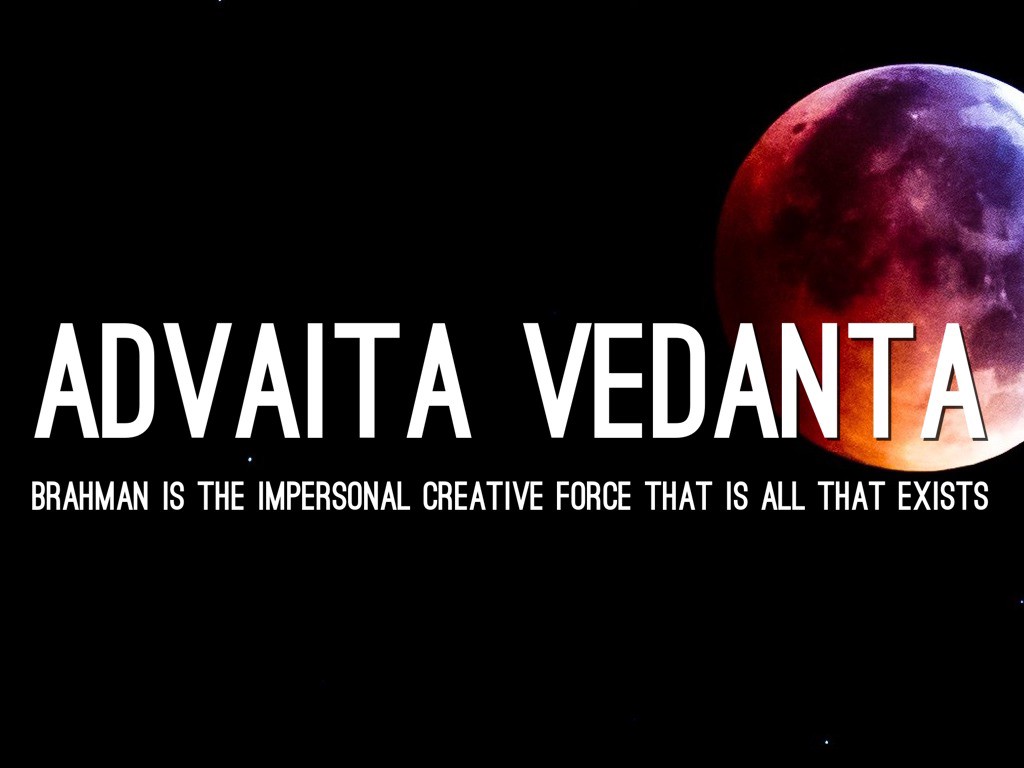
Advaita Vedanta is a school of Hindu philosophy that emphasizes the non-duality of the self and the ultimate reality, known as Brahman. According to Advaita Vedanta, the individual self, or Atman, is not separate from Brahman but is identical to it. This non-duality is often expressed in the famous phrase “Tat Tvam Asi,” which means “That Thou Art.”
The ultimate goal of Advaita Vedanta is to realize this non-duality and to experience the true nature of the self. This realization is known as moksha or liberation and is considered to be the highest state of human existence.
Key Concepts
There are several key concepts in Advaita Vedanta that help to explain the relationship between the self and Brahman:
- Maya: Maya is the illusion or veil that separates the individual self from Brahman. Maya creates the appearance of a separate world and a separate self, but in reality, there is only Brahman.
- Brahman: Brahman is the ultimate reality and the source of all existence. It is described as being infinite, unchanging, and all-pervading.
- Atman: Atman is the individual self or soul. Atman is not separate from Brahman but is identical to it.
- Jnana: Jnana is the knowledge of the non-duality of the self and Brahman. This knowledge is the key to moksha or liberation.
Practices
There are a number of practices that can help to lead to the realization of non-duality, including:
- Meditation: Meditation is a powerful tool for clearing the mind of distractions and experiencing the true nature of the self.
- Self-inquiry: Self-inquiry is the practice of questioning the nature of the self. This inquiry can help to reveal the true nature of the self and its relationship to Brahman.
- Devotion: Devotion to a personal God or deity can help to purify the heart and mind and lead to the realization of the non-duality of the self and Brahman.
Conclusion
Advaita Vedanta is a profound philosophy that offers a path to the realization of the true nature of the self and the ultimate reality. By understanding the key concepts of Advaita Vedanta and practicing various spiritual disciplines, it is possible to bridge the gap between the self and the ultimate reality and experience the true nature of existence.# Advaita Vedanta: Bridging The Gap Between The Self And The Ultimate Reality
Executive Summary
Advaita Vedanta is a profound philosophical tradition that explores the nature of reality and the relationship between the individual self and the ultimate reality, Brahman. This article delves into the key concepts, tenets, and transformative practices of Advaita Vedanta, illuminating its potential to guide us towards a deeper understanding of our true nature and the interconnectedness of all existence.
Introduction
Advaita Vedanta is a branch of Indian philosophy that originated from the Upanishads, ancient Sanskrit texts dating back to the 8th century BCE. Its central premise is the non-duality of Brahman, the ultimate reality, and Atman, the individual self. Advaita Vedanta seeks to transcend the illusion of separateness and reveal the fundamental unity of all things.
FAQs
- What is the ultimate goal of Advaita Vedanta? To realize the non-duality of the self and Brahman, leading to a state of liberation and boundless bliss.
- How does Advaita Vedanta differ from other Vedanta traditions? It emphasizes the non-difference between the self and Brahman, in contrast to other traditions that maintain a distinction.
- Is Advaita Vedanta compatible with modern science and spirituality? Yes, Advaita Vedanta’s teachings resonate with insights from both fields, offering a comprehensive understanding of the nature of existence.
Key Subtopics
Brahman: The Ultimate Reality
- Indescribable and Unknowable: Brahman transcends all human concepts and limitations, rendering it impossible to fully comprehend its nature.
- All-Pervading and Immanent: Brahman permeates everything, existing as the substratum and essence of all manifest reality.
- Non-Dual and Eternal: Brahman is not separate from the universe but rather the underlying unity and essence of all existence.
Atman: The Individual Self
- Identical to Brahman: Atman is not a separate entity but rather a reflection of Brahman within each individual.
- Beyond Ego and Limitations: The true self transcends the ego and its associated limitations, such as attachments, aversions, and fears.
- Pure Consciousness and Awareness: Atman is the essence of consciousness, the witness that observes all experiences without being affected by them.
Maya
- The Illusion of Separation: Maya is the cosmic illusion that creates the appearance of duality and separateness.
- Veiling the True Nature of Reality: Maya obscures our perception of the fundamental unity of Brahman.
- Overcoming Maya: Through self-inquiry and spiritual practices, we can transcend Maya and realize the non-dual nature of existence.
Avidya
- Ignorance of Our True Nature: Avidya is the root cause of suffering and the illusion of separateness.
- Mistaking the Body-Mind for the Self: Avidya leads us to identify with our physical and mental experiences, creating the false sense of self.
- Overcoming Avidya: Self-inquiry, meditation, and the teachings of enlightened masters can help us overcome avidya.
Liberation
- Moksha or Nirvana: Liberation is the ultimate goal of Advaita Vedanta, achieved when the illusion of duality dissolves and the individual realizes their non-dual nature.
- Transcending Suffering and Samsara: Liberation frees us from the cycle of birth, death, and suffering.
- Experiencing Unconditional Bliss: Liberation leads to a state of boundless joy and fulfillment, known as Sat-Chit-Ananda in Sanskrit.
Conclusion
Advaita Vedanta offers a profound path to self-realization and liberation by guiding us to transcend the illusion of duality and experience the non-dual nature of reality. Through its transformative teachings and spiritual practices, Advaita Vedanta empowers us to break free from the limitations of the ego, uncover our true nature, and experience the profound interconnectedness of all existence.
Keyword Tags
- Advaita Vedanta
- Non-Duality
- Brahman
- Atman
- Liberation