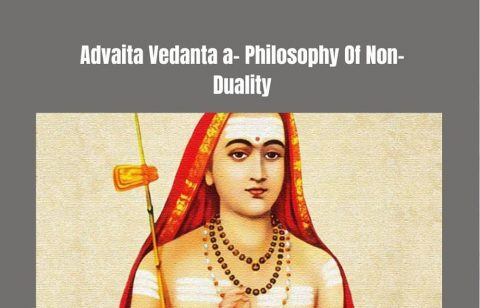
Advaita Vedanta: Integrating Spiritual Wisdom into Daily Life for Inner Peace and Fulfillment
Introduction:
Advaita Vedanta is a profound spiritual tradition that originated in ancient India, offering a comprehensive path to inner peace and fulfillment. Its teachings emphasize the unity of all existence and the interconnectedness of our individual consciousness with the ultimate reality, known as Brahman. By integrating the wisdom of Advaita Vedanta into our daily lives, we can cultivate a deep understanding of ourselves, our relationships, and the world around us, leading to lasting happiness and contentment.
Core Principles of Advaita Vedanta:
- Non-Duality (Advaita): The fundamental principle of Advaita Vedanta is the recognition that there is no ultimate separation between the individual self and Brahman. All existence is interconnected and ultimately one.
- Self-Realization: The goal of Advaita Vedanta is to experience this non-duality directly through self-inquiry and meditation. By realizing our true nature as Brahman, we transcend the limitations of our ego and attain lasting inner peace.
- Maya: Advaita Vedanta acknowledges that the world as we perceive it is an illusion (maya) created by our limited senses and mind.
- Karma and Reincarnation: Karma refers to the actions we perform and their consequences. Reincarnation is the belief that our current experiences are shaped by the actions of our past lives.
Integrating Advaita Wisdom into Daily Life:
- Practice Mindfulness: Pay attention to the present moment without judgment. Observe your thoughts, feelings, and actions with awareness.
- Cultivate Non-Attachment: Let go of excessive attachment to outcomes and desires. Embrace a sense of detachment while still engaging in the world.
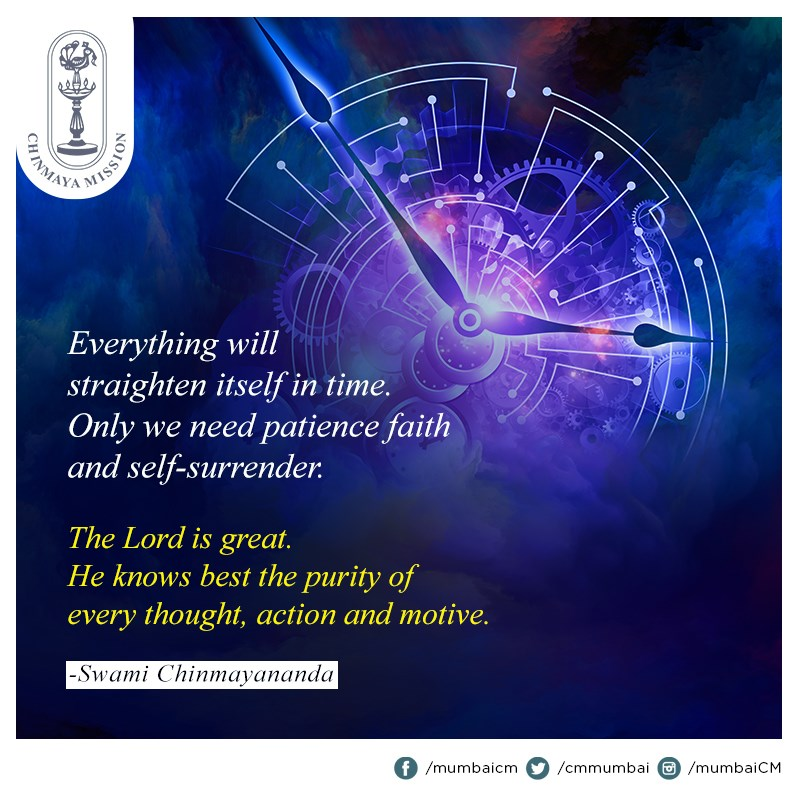
- Surrender to the Flow: Trust that everything happens for a reason and release the need to control outcomes. Allow life to unfold naturally.
- Practice Self-Inquiry: Ask yourself deep questions about your true nature and the nature of reality. Explore your identity beyond the limitations of your ego.
- Meditate Regularly: Meditation helps us quiet the mind and connect with our inner selves. Dedicate time each day to silent meditation.
- Live in Harmony with Nature: Recognize the interconnectedness of all living beings. Respect the environment and strive to live in balance with nature.
- Serve Others: Engage in selfless service without expecting anything in return. By helping others, we ultimately help ourselves.
- Embrace Diversity: Respect and appreciate the differences among people, cultures, and beliefs. Recognize that we are all part of the same interconnected whole.
- Live in the Present: Let go of the past and future, and focus on living in the present moment with a sense of gratitude and joy.
Benefits of Integrating Advaita Vedanta:
- Increased inner peace and tranquility
- Enhanced self-awareness and self-acceptance
- Expanded compassion and empathy for others
- Reduced stress and anxiety
- Greater clarity and decision-making ability
- A deeper understanding of life’s purpose and meaning
- Lasting fulfillment and contentment
Conclusion:
Advaita Vedanta offers a profound and transformative path to inner peace and fulfillment. By integrating its teachings into our daily lives through mindfulness, self-inquiry, meditation, and selfless service, we can transcend the limitations of our ego and experience the true nature of our being. As we embrace the wisdom of Advaita Vedanta, we cultivate a deeper understanding of ourselves, our relationships, and the world around us, ultimately leading to lasting happiness and contentment.## Advaita Vedanta: Integrating Spiritual Wisdom Into Daily Life For Inner Peace And Fulfillment
Executive Summary
Advaita Vedanta, a profound philosophy from ancient India, offers a transformative path to inner peace, fulfillment, and spiritual realization. This comprehensive guide explores the core principles of Advaita Vedanta, providing practical insights and techniques for integrating its wisdom into daily life.
Introduction
Advaita Vedanta, derived from the Sanskrit words “Advaita” (not two) and “Vedanta” (end of the Vedas), is a monistic philosophy that emphasizes the interconnectedness of all existence. Its central tenet is the realization of the non-dual nature of reality, where the individual self (Atman) is ultimately identical with the universal Self (Brahman). By understanding and applying the principles of Advaita Vedanta, we can transcend the limitations of our ego-driven existence and experience lasting joy, freedom, and purpose.
FAQs
- What is the purpose of Advaita Vedanta? To guide us towards the realization of our true nature, which is pure consciousness and bliss, and to liberate us from suffering and limitations.
- Who can benefit from Advaita Vedanta? Anyone seeking a deeper understanding of themselves, reality, and the meaning of life, regardless of their background or beliefs.
- How can I practice Advaita Vedanta in daily life? By cultivating self-awareness, practicing meditation, and embodying its principles in our thoughts, speech, and actions.
Subtopics
The Nature of Reality
- Brahman: The ultimate reality, the ground of all existence, which is infinite, eternal, and unchanging.
- Maya: The illusion that separates us from our true nature, creating the experience of duality and suffering.
- Atman: The individual self, which is essentially identical with Brahman, but obscured by ignorance.
- Anatta: The non-self nature of all phenomena, including the body, mind, and ego.
- Unity: The interconnectedness of all things, where everything is a manifestation of the one underlying reality.
The Path of Spiritual Realization
- Jnana Yoga: The path of knowledge, which involves study, reflection, and self-inquiry to understand the true nature of reality.
- Bhakti Yoga: The path of devotion, which involves cultivating love and surrender to a higher power or divine being.
- Karma Yoga: The path of selfless action, which involves performing our duties without attachment to the fruits of our labor.
- Raja Yoga: The path of meditation, which involves controlling the mind and cultivating inner stillness to experience our true nature.
- Samkhya Yoga: The path of discrimination, which involves separating the real from the unreal, the eternal from the transient.
The Fruits of Spiritual Realization
- Moksha: Liberation from the cycle of birth and death, suffering, and limitations.
- Self-realization: The profound realization of our true nature, which is pure consciousness and bliss.
- Inner Peace: A deep sense of serenity, contentment, and freedom from inner conflict.
- Empathy and Compassion: A heightened sense of interconnectedness and love for all beings.
- Purpose and Meaning: A clear understanding of our role in the grand scheme of things and a profound sense of purpose and fulfillment.
Conclusion
Advaita Vedanta is an invaluable roadmap for our spiritual journey, offering transformative wisdom that can guide us towards inner peace, fulfillment, and ultimately, the realization of our true nature. By embracing the principles of non-duality, self-awareness, and selfless action, we can transcend the limitations of our ego-driven existence and experience the boundless joy and freedom that lie within us all.
Keyword Tags
- Advaita Vedanta
- Spiritual Wisdom
- Inner Peace
- Fulfillment
- Self-Realization