Advaita Vedanta and the Philosophy of Non-Duality: Unlocking the Key to True Enlightenment
Introduction
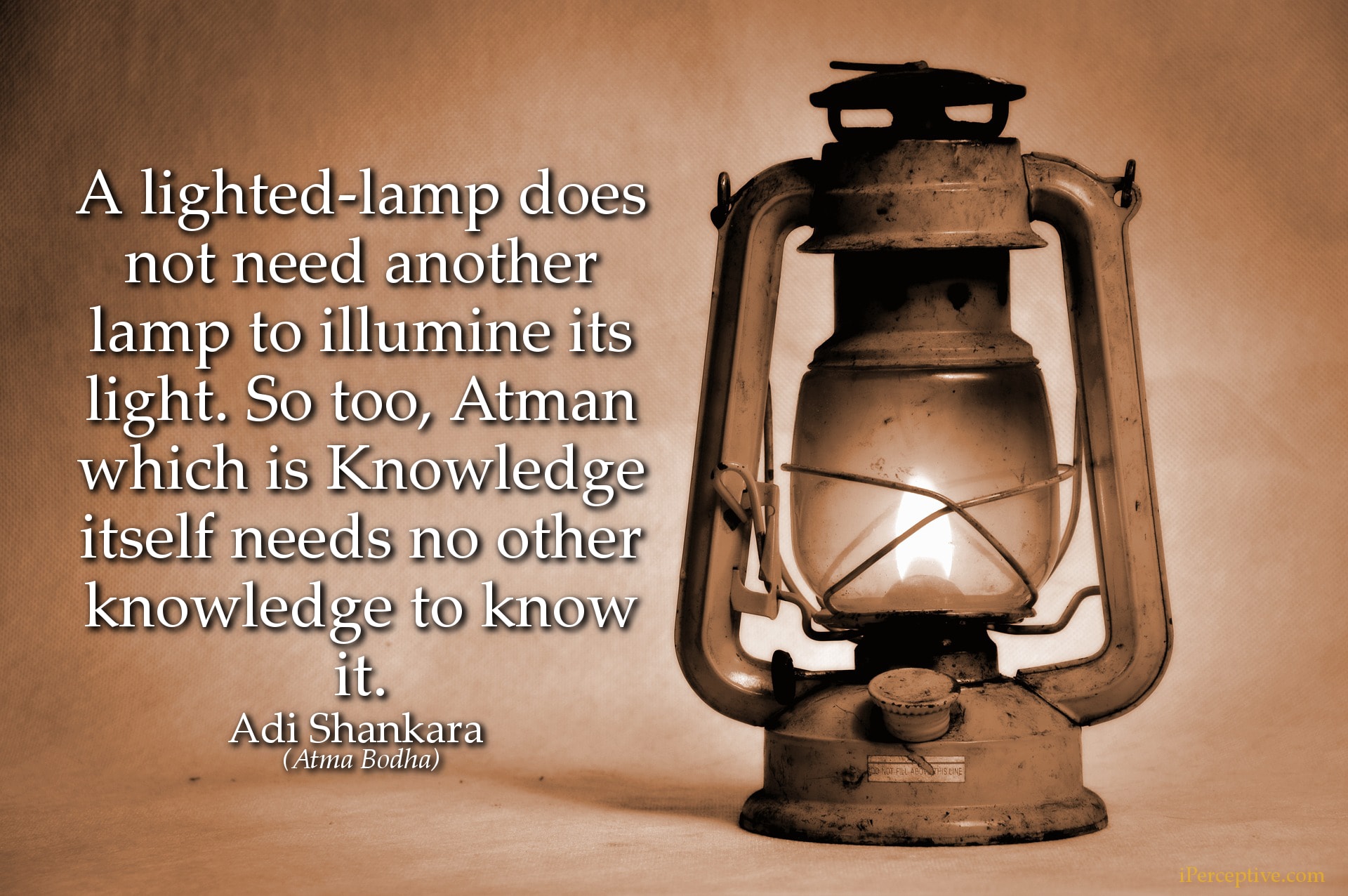
Advaita Vedanta, a profound school of thought within Hinduism, propounds the concept of non-duality, known as Advaita. This philosophy postulates the essential unity of all existence, dissolving the illusion of separateness between the individual self (Atman) and the universal consciousness (Brahman). By embracing this non-dualistic perspective, one embarks on a journey towards true enlightenment, transcending limited perceptions and realizing the boundless nature of reality.
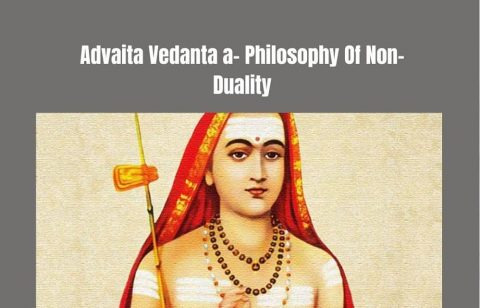
Non-Duality: The Core Principle
The cornerstone of Advaita Vedanta is the concept of non-duality. This principle asserts that all apparent multiplicities in the world are ultimately an illusion, a veil of Maya that masks the underlying unity. The individual self, the objects of perception, and the world itself are all interconnected and inseparable from the indivisible whole.
Maya: The Illusion of Separateness
Maya, a Sanskrit term meaning “illusion,” refers to the veil of ignorance that obscures the true nature of reality. It projects the illusion of separate identities, creating the perception of a distinct self and an external world. This false sense of separation is the root cause of suffering and delusion.
The True Self: Atman
Advaita Vedanta posits the existence of a true self, known as Atman. Atman is not the ego or the personality but an eternal, unchanging essence that resides within every being. It is identical to Brahman, the universal consciousness, and thus possesses limitless qualities, including wisdom, bliss, and omnipresence.
Brahman: The Universal Consciousness
Brahman, the absolute reality, is the impersonal, infinite, and eternal foundation of all existence. It is the source from which all things emanate and to which they ultimately return. Brahman transcends the limitations of time, space, and causation, embodying the totality of being.
The Path to Enlightenment
Enlightenment, or moksha, in Advaita Vedanta is the realization of the non-dual nature of reality. It involves shedding the illusion of separateness and experiencing the unity of all existence. This path requires self-inquiry (jnana yoga), a deep understanding of non-duality through scriptural study and contemplation, as well as ethical conduct (karma yoga) and devotion (bhakti yoga).
Benefits of Non-Dual Realization
Embracing the philosophy of non-duality can lead to profound benefits for one’s life and wellbeing:
- Freedom from Suffering: Recognizing the illusory nature of separateness dissolves the root of suffering, which arises from the attachment to the ego and the external world.
- Expanded Consciousness: Non-dual realization expands consciousness beyond the limitations of the individual mind, allowing for a more holistic and intuitive understanding of oneself and the universe.
- Increased Compassion: The realization of unity fosters a deep sense of compassion for all beings, as one recognizes the interconnectedness of all things.
- True Happiness: Non-duality brings about a profound and enduring happiness that is not dependent on external conditions or circumstances.
Conclusion
Advaita Vedanta offers a profound and transformative worldview that challenges our fundamental assumptions about reality. By embracing the concept of non-duality, we unlock the key to true enlightenment, dissolving the illusion of separateness and realizing the limitless nature of our true selves. This journey leads to a life filled with freedom, compassion, expanded consciousness, and enduring happiness.## Advaita Vedanta And The Philosophy Of Non-duality: Unlocking The Key To True Enlightenment
Executive Summary
Embark on a profound journey into the realm of Advaita Vedanta, an ancient Indian philosophy that illuminates the path to true enlightenment. This comprehensive guide delves into the core principles of non-duality, exploring its transformative insights on the nature of reality, the self, and our interconnectedness with the universe. By unraveling the wisdom of Advaita Vedanta, we unveil the key to unlocking a life of inner peace, fulfillment, and profound understanding.
Introduction
In the tapestry of human thought and spirituality, few philosophies have captivated seekers as profoundly as Advaita Vedanta, a venerable tradition originating from ancient India. At the heart of Advaita Vedanta lies the transformative concept of non-duality, a profound realization that the fundamental nature of reality is characterized by an indissoluble unity. By peeling back the layers of illusion and duality that cloud our perception, Advaita Vedanta unveils the path to true enlightenment, emancipating us from the limitations of the ego and illuminating our boundless potential.
Frequently Asked Questions (FAQs)
What is the essence of Advaita Vedanta?
Advaita Vedanta is a non-dualistic philosophy that posits that all of reality is fundamentally one. This unity, known as Brahman, permeates all existence, encompassing both the phenomenal world and the individual self.
How is non-duality different from duality?
Dualistic perspectives perceive reality as being divided into distinct entities, such as the self and the world, or good and evil. Non-duality transcends these divisions, recognizing that all phenomena are interconnected and inseparable aspects of the one underlying reality.
What is the goal of Advaita Vedanta?
The ultimate goal of Advaita Vedanta is to attain moksha, or liberation, from the cycle of birth and death. This liberation is achieved through the realization of our innate oneness with Brahman, transcending the limitations of the ego and experiencing the boundless bliss of unity consciousness.
Subtopics
Brahman: The Ultimate Reality
- Unmanifest and Infinite: Brahman is the primordial, unmanifest aspect of reality, devoid of any qualities or attributes. It is the source and substratum of all existence.
- The Ground of Being: Brahman is the foundation upon which all phenomena arise and dissolve. It is the eternal, unchanging essence that underlies the ever-changing world of appearances.
- Transcends Time and Space: Brahman is beyond the limitations of time and space. It encompasses all of creation, both past and present, and extends infinitely beyond our finite perception.
Atman: The True Self
- Not the Body or Mind: Atman is the true nature of the individual self, distinct from the physical body and the thinking mind. It is the eternal, unchanging essence within us.
- Identical with Brahman: Atman is fundamentally identical with Brahman. When we realize this unity, we experience the dissolution of the separate self and the boundless freedom of unity consciousness.
- Witness Consciousness: Atman is the witness consciousness that observes the activities of the mind and body without being affected by them. It is the pure, unattached essence of our being.
Maya: The Illusion of Duality
- The Veil of Ignorance: Maya is the principle that obscures our perception of the true nature of reality. It creates the illusion of duality and separateness, veiling our experience of Brahman.
- The World of Appearances: Maya manifests as the phenomenal world that we perceive with our senses. It is a projection of our limited consciousness, not an inherent aspect of reality.
- Overcoming Maya: Maya can be overcome through self-inquiry, meditation, and the realization of non-duality. By shedding the veil of ignorance, we transcend the limitations of duality and experience the true nature of our being.
Karma: The Law of Cause and Effect
- Intentional Actions: Karma refers to the intentional actions we perform, both physical and mental. These actions create energetic imprints that shape our future experiences.
- The Cycle of Rebirth: Karma propels the soul through the cycle of birth, death, and rebirth until liberation is achieved. Our actions determine our future incarnations.
- Breaking the Cycle: The cycle of karma can be broken through selfless actions and the realization of non-duality. By transcending the ego, we can escape the chains of cause and effect.
Moksha: Liberation from Suffering
- The Ultimate Goal: Moksha is the ultimate goal of Advaita Vedanta, the state of complete liberation from suffering and the cycle of rebirth. It is the realization of our true nature as Brahman.
- Transcending the Ego: Moksha involves the dissolution of the ego, the false sense of self that creates suffering and separation.
- Experiencing Unity Consciousness: In moksha, we experience the boundless bliss and freedom that comes from realizing our oneness with all of creation.
Conclusion
Advaita Vedanta is a profound and transformative philosophy that illuminates the path to true enlightenment. By unraveling the nature of reality, the self, and the universe, it empowers us to transcend the illusion of duality and experience the boundless potential of our true nature. Through self-inquiry, meditation, and the realization of non-duality, we unlock the key to unlocking a life of inner peace, fulfillment, and profound understanding.
Relevant Keyword Tags
- Advaita Vedanta
- Philosophy of Non-duality
- Brahman
- Atman
- Moksha